Many Children With Epilepsy Have Other Conditions
This study looked at how common neurodevelopmental, psychiatric, and sleep conditions were, alone and in combination, among children with “active” epilepsy.

This study looked at how common neurodevelopmental, psychiatric, and sleep conditions were, alone and in combination, among children with “active” epilepsy.
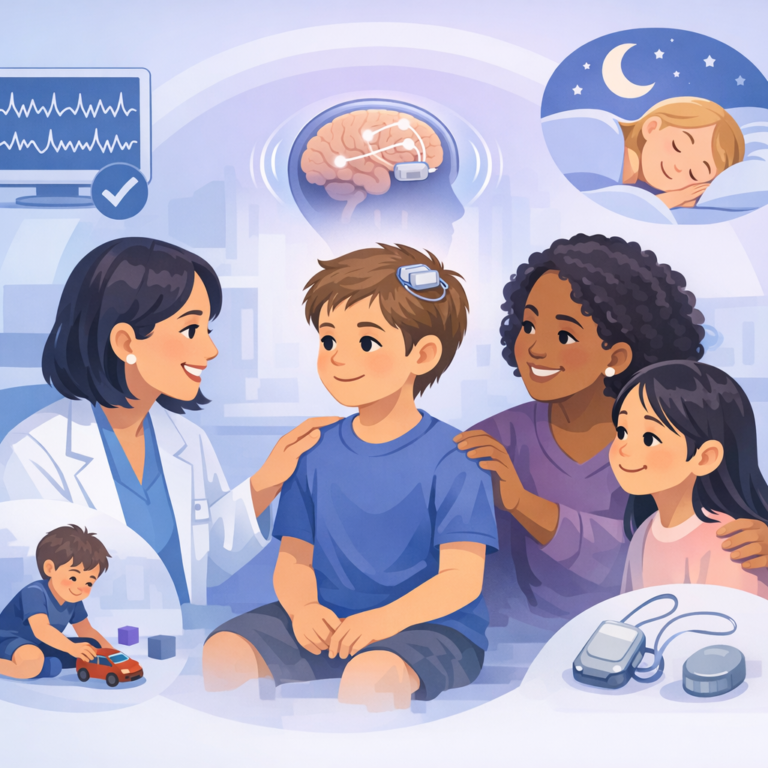
This study looked at outcomes of responsive neurostimulation (RNS) in people with Lennox-Gastaut syndrome (LGS), a severe epilepsy that is often hard to control with medicine.

This pilot evaluation looked at a new “Epilepsy Transition Clinic” started in 2023 at one institution for young people moving from pediatric epilepsy care to adult epilepsy care.
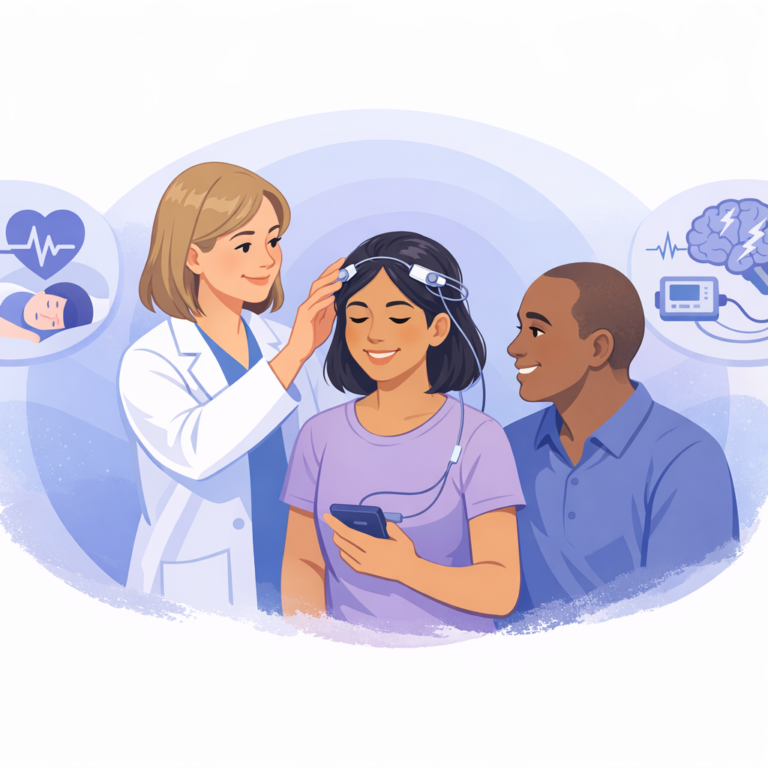
This paper was a systematic review, which means the authors gathered and combined results from earlier studies.

This paper did not test the ketogenic diet in a new group of children.

This study was a systematic review with meta-analysis.

This study looked at how quickly antiseizure medicines were reduced during hospital stays in an epilepsy monitoring unit (EMU), where video-EEG is used to record seizures for diagnosis and treatment planning.
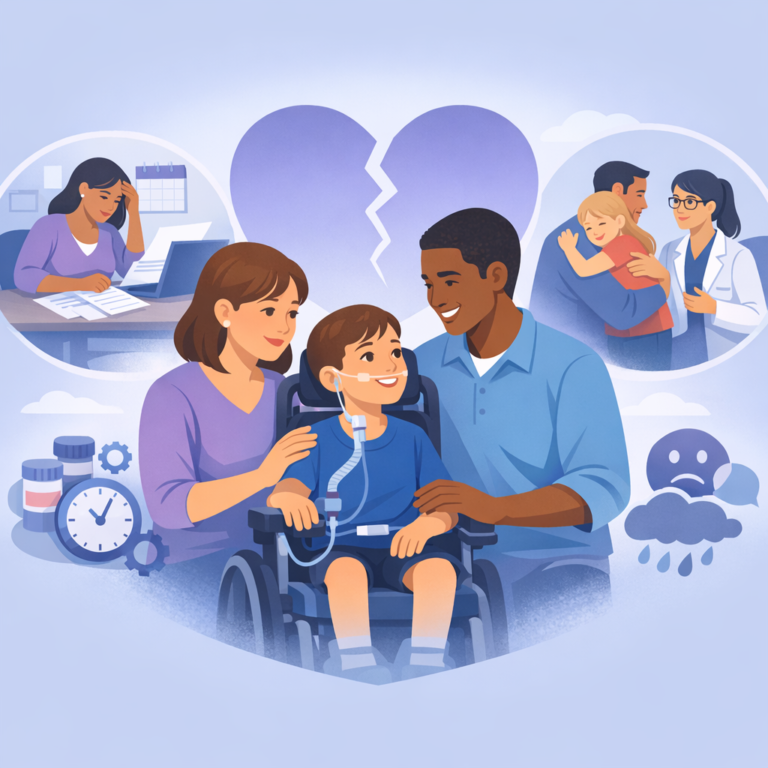
This paper was a scoping review, which means the authors gathered and mapped existing research rather than testing one treatment.

This study looked at cenobamate used as an add-on seizure medicine in children, teens, and young adults with drug-resistant epilepsy.