Prior Authorization Creates Barriers for Neurology Patients
Source: JAMA neurology
Summary
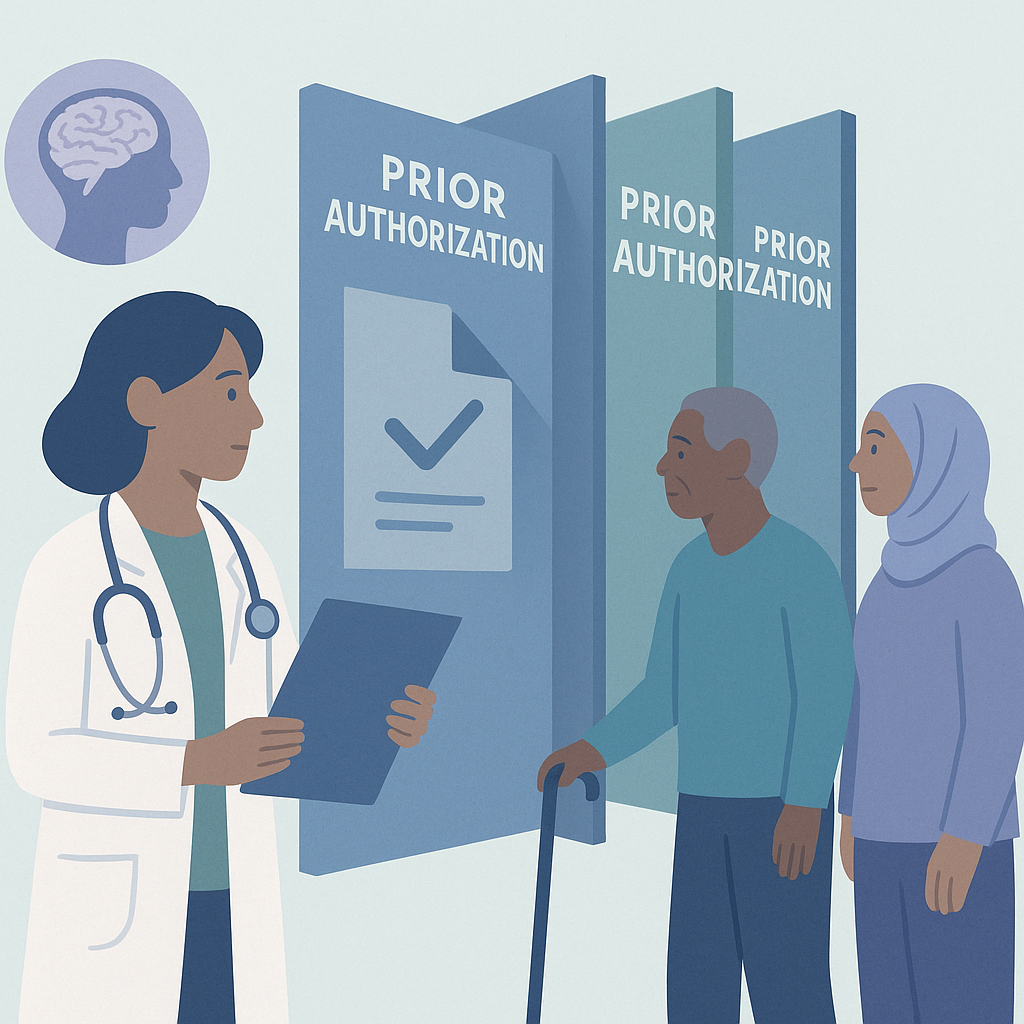
This study looked at how prior authorization (PA) policies affect access to medications for people with six common neurological conditions, including epilepsy. Researchers reviewed 20 studies that examined the barriers and consequences of these policies, focusing on how they impact patients, doctors, and healthcare administrators. The goal was to understand the challenges and potential solutions related to getting necessary medications for these conditions.
The findings revealed that prior authorization often leads to delays in receiving care for patients, with 60% experiencing such delays. This can worsen their health, as 25% reported an increase in disease activity due to waiting for medications. For healthcare providers, the process adds a significant time burden, with 35% of clinicians feeling overwhelmed by the paperwork and requirements. Some solutions identified included the involvement of clinical pharmacists and specialty pharmacies, which can help streamline the process.
Understanding these barriers is important because timely access to medications can greatly affect the health and quality of life for people with neurological conditions. However, the study has limitations, such as focusing only on certain conditions and not exploring all possible solutions in depth. Overall, the findings highlight the need for reforms in prior authorization to improve access to necessary treatments for patients.
Free: Seizure First Aid Quick Guide (PDF)
Plus one plain-language weekly digest of new epilepsy research.
Unsubscribe anytime. No medical advice.