Heart Tumors Before Birth May Signal Tuberous Sclerosis
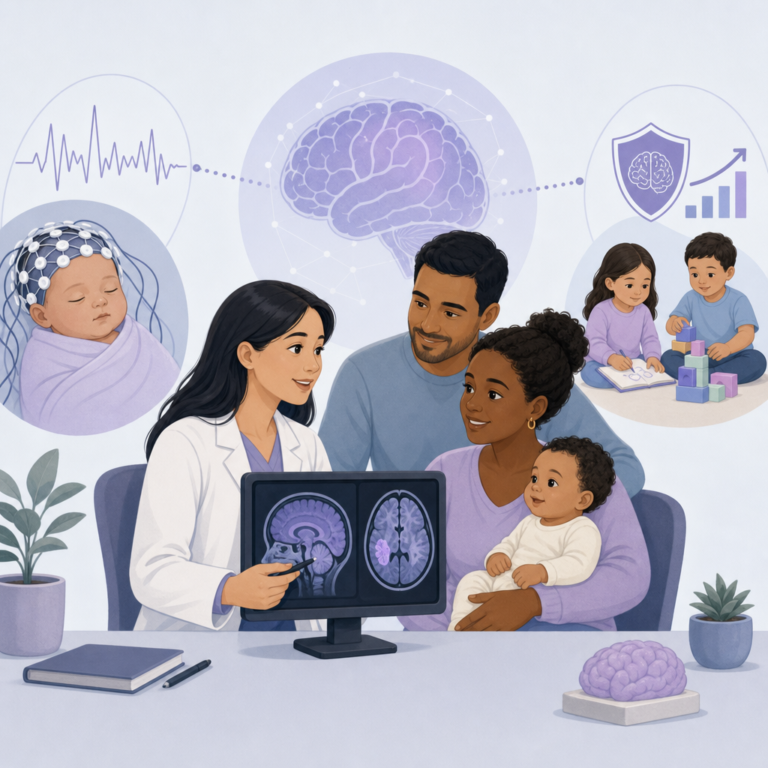
This study looked at 80 fetuses found before birth to have one or more cardiac rhabdomyomas, which are heart tumors often linked with tuberous sclerosis complex (TSC).
This hub covers epilepsy and pregnancy: Seizure control, medication safety, folic acid, and planning before, during, and after pregnancy. Research summaries to support informed decisions.
No. Stopping medication suddenly can be dangerous. Medication decisions should be planned with your neurologist/OB.
Body water, metabolism, and clearance change. Some meds need dose adjustments guided by blood levels.
Not always. Many people remain stable, especially with good adherence and monitoring.
Sleep deprivation is a real risk. Planning shifts and extra support isnβt βextra,β itβs safety.
This study looked at 80 fetuses found before birth to have one or more cardiac rhabdomyomas, which are heart tumors often linked with tuberous sclerosis complex (TSC).
This Australian semiprospective cohort study looked at whether children exposed to one antiseizure medication during pregnancy had different thinking and learning outcomes than children who were not exposed to antiseizure medicines before birth.
This paper is a seminar-style review about epilepsy care in adults with intellectual developmental disorders (IDD).
This study looked at the risk of major congenital malformations in babies born to women who used common antiseizure medicine combinations during the first 12 weeks of pregnancy.
This study looked at children and teens with variants in the COL4A1 or COL4A2 genes, which are associated with a disorder that can affect the brain and other organs.
Researchers looked at epilepsy, EEG results, and brain scan findings in 103 Norwegian children diagnosed with fetal alcohol spectrum disorder (FASD).
This article is a review of neonatal seizures, which are seizures that happen in newborn babies.
This study looked at lissencephaly, a group of brain development conditions where the brain surface is smoother than usual because nerve cells did not move to the right place during pregnancy.
This study looked at pregnancy outcomes in women with intellectual disabilities in California.