Levetiracetam Versus Valproate in Children: What the Evidence Shows
Researchers combined results from 8 randomized controlled trials involving 1,000 children ages 0–18 years.
This hub covers seizure first aid: what to do during a seizure, when to use rescue meds, and when to call 911. Clear, research-informed guidance for home, school, sports, and sleep.
Yes, you can get it here! Stick it on the fridge, give it to the grandparents, and share it with teachers.
If a convulsive seizure lasts ~5 minutes, breathing is abnormal, injury occurs, it’s a first seizure, or recovery is not typical.
A written plan for caregivers/schools that includes seizure types, what to do, and when to use rescue meds.
Often yes with 1:1 close supervision, a plan, and risk discussion with your neurologist.
Showers are usually safer than baths. If using a bath, supervision matters.
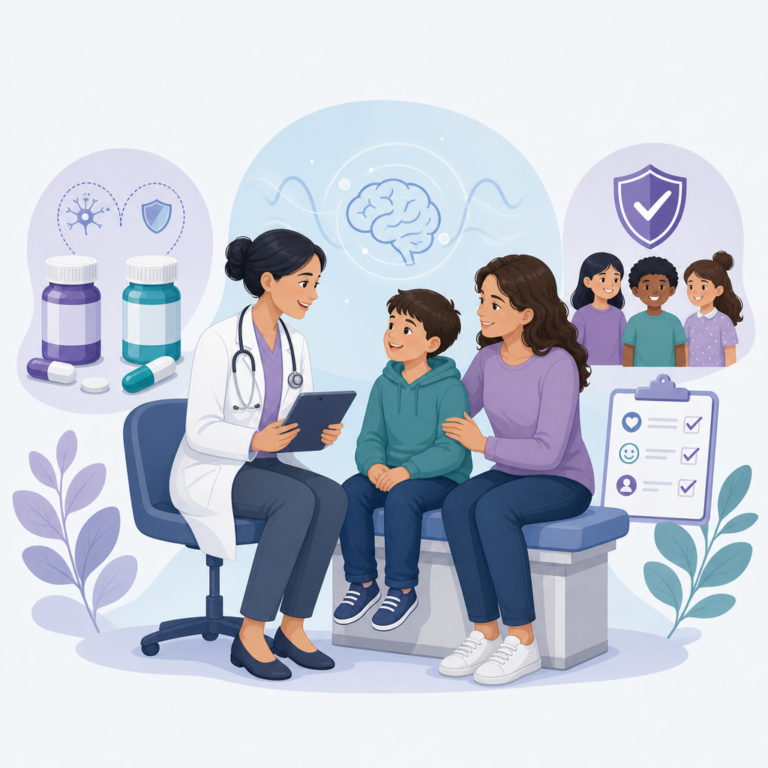
Researchers combined results from 8 randomized controlled trials involving 1,000 children ages 0–18 years.

This systematic review and meta-analysis compared newer-generation with older-generation antiseizure medications in older adults with epilepsy.

This retrospective observational study reviewed 307 pregnancies in women with epilepsy; 276 resulted in live births.

Researchers combined results from 19 studies involving 149 children with drug-resistant epilepsy who received deep brain stimulation (DBS).

This systematic review and meta-analysis compared two procedures for drug-resistant epilepsy caused by MRI-positive focal cortical dysplasia type II (FCD II) or tuberous sclerosis complex (TSC).

Researchers combined results from 12 citations on brivaracetam use in children and adolescents age 18 or younger with epilepsy.

Researchers combined results from 48 studies involving 822 people with Lennox-Gastaut syndrome across 19 countries.

This systematic review and meta-analysis examined neuromodulation treatments for people younger than 18 years with drug-resistant epilepsy.

This systematic review and meta-analysis compared levetiracetam with sodium valproate in children age 18 or younger with new-onset epilepsy or established status epilepticus.