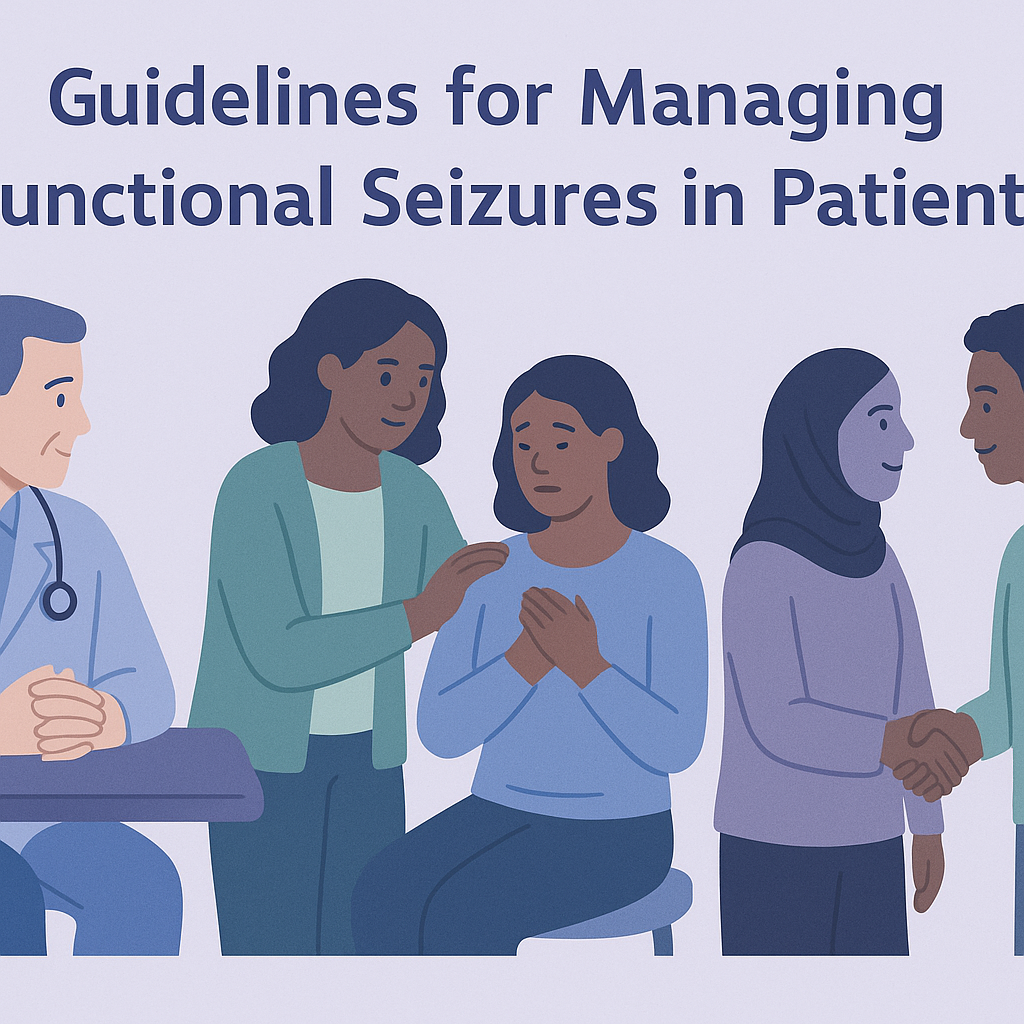
Guidelines for Managing Functional Seizures in Patients
Source: Neurology
Summary
A recent study focused on the management of functional seizures, which are seizure-like episodes that do not have a clear neurological cause. The research involved a multidisciplinary panel that reviewed existing studies and combined their findings with clinical experience to create guidelines for healthcare providers. The review included 12 studies that looked at various approaches to treating functional seizures, particularly psychological interventions.
The key findings suggest that psychological treatments may help people with functional seizures by reducing the number of episodes, lowering anxiety, and improving overall quality of life. The guidelines recommend that doctors gather detailed information about a patient's episodes, including videos if possible, and assess for any other mental health issues. They also emphasize the importance of respectful communication and shared decision-making between doctors and patients regarding treatment options.
These guidelines are important because they provide a structured approach to treating functional seizures, which can often be misunderstood or mismanaged. However, the study also points out that more research is needed to fill gaps in knowledge about the best practices for these conditions. While psychological interventions show promise, the guidelines caution against using certain medications, like benzodiazepines, unless there is a clear reason for their use.
Free: Seizure First Aid Quick Guide (PDF)
Plus one plain-language weekly digest of new epilepsy research.
Unsubscribe anytime. No medical advice.