Symmetrical Claustrum Sign Helps Diagnose Pediatric Epilepsy
Source: Epilepsia
Summary
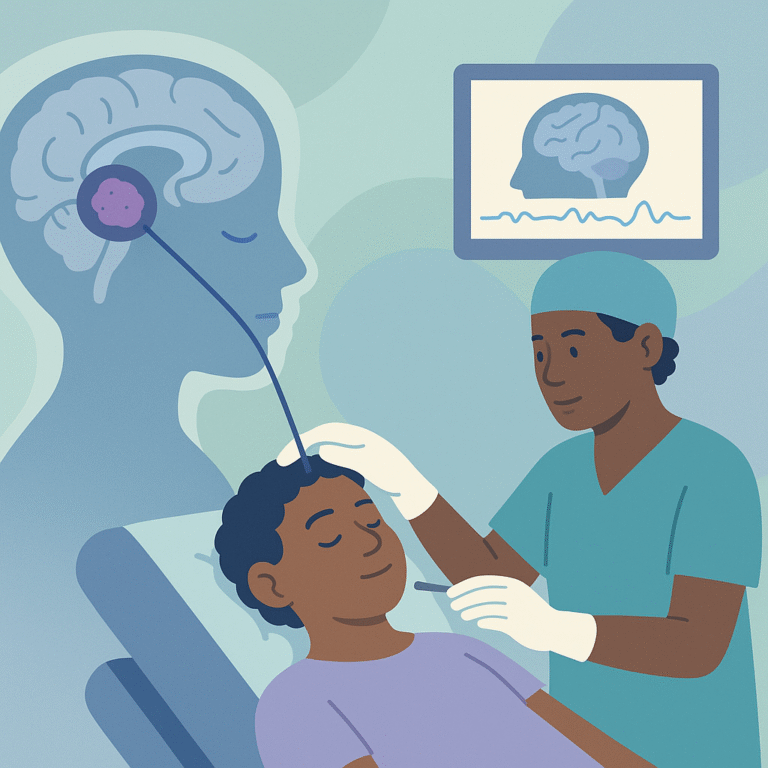
This study looked at a specific brain imaging sign called the symmetrical claustrum sign (SCS) in children diagnosed with febrile infection-related epilepsy syndrome (FIRES). Researchers at Beijing Children's Hospital analyzed data from 1,105 children who had fever and convulsions, focusing on 129 cases of FIRES, with 35 of those having additional brain lesions known as FIRES-C. The goal was to see how well SCS could help diagnose FIRES and to understand the clinical features and outcomes for these children.
The findings showed that while SCS was very specific (95.4%) in identifying FIRES, it was not very sensitive (27.1%), meaning it missed many cases. Among the children with FIRES-C, those with claustrum lesions tended to have milder symptoms and better initial assessments compared to those without these lesions. However, after following the patients for about three and a half years, nearly half of the survivors still had moderate to severe disabilities, and there were some deaths, indicating that the overall prognosis did not significantly differ between the two groups.
These results are important because they suggest that while SCS can be a helpful tool in diagnosing FIRES, it should not be the only factor considered due to its limited sensitivity. Understanding the clinical features and outcomes of children with FIRES-C can help doctors provide better care. However, the study has limitations, such as being retrospective and conducted at a single hospital, which may affect how widely the findings can be applied to other settings.
Free: Seizure First Aid Quick Guide (PDF)
Plus one plain-language weekly digest of new epilepsy research.
Unsubscribe anytime. No medical advice.