S100B Levels May Predict Epilepsy After Brain Injury
Source: Epilepsia
Summary
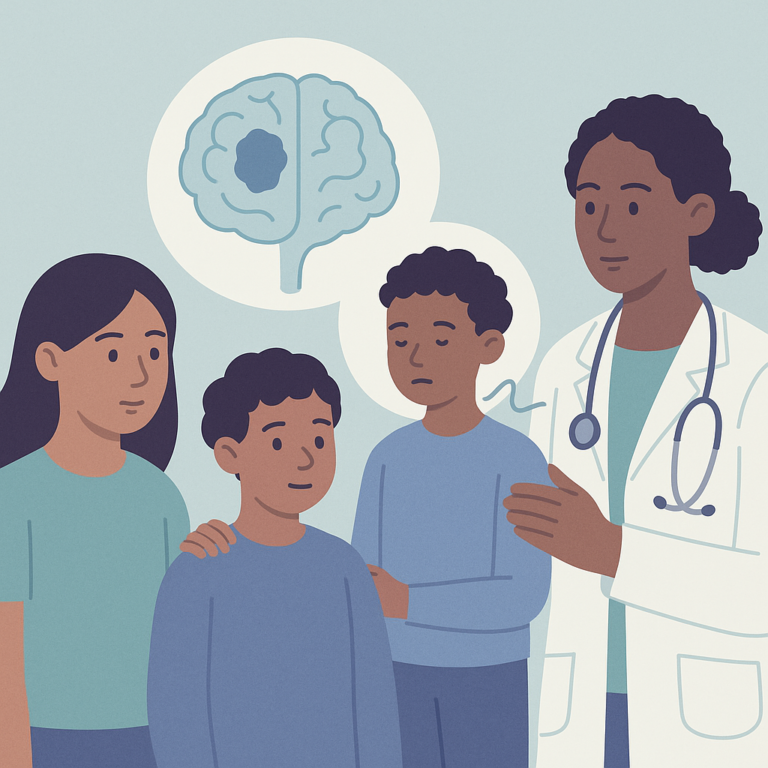
This study looked at whether a protein called S100B in the blood could help predict the development of epilepsy in adults who suffered a traumatic brain injury (TBI). Researchers examined data from Danish adults aged 18 and older who went to emergency departments with head injuries between 2013 and 2022. They measured S100B levels in the blood and classified the severity of the injuries to see how these factors related to the later onset of epilepsy.
The key finding was that higher levels of S100B in the blood were linked to an increased risk of developing epilepsy, especially in patients with more severe injuries. For example, a small increase in S100B levels was associated with a higher chance of epilepsy, particularly in those with detectable brain lesions. The overall risk of developing epilepsy within five years after any head injury was about 3.8%, but it was much higher—21.3%—for those with severe injuries and elevated S100B levels.
These results are important because they suggest that measuring S100B could help doctors identify patients at greater risk for epilepsy after a head injury. However, the study had some limitations, such as not considering all possible factors that might influence epilepsy risk. Still, the findings support the idea that S100B could be a useful tool for monitoring patients after a traumatic brain injury.
Free: Seizure First Aid Quick Guide (PDF)
Plus one plain-language weekly digest of new epilepsy research.
Unsubscribe anytime. No medical advice.