New Score Predicts Epilepsy Risk After Stroke
Source: Neurology
Summary
Researchers studied how to predict the risk of developing epilepsy after a first-time ischemic stroke, which is a type of stroke caused by blocked blood flow to the brain. They looked at data from patients admitted to Massachusetts General Hospital in the United States and validated their findings with additional groups from Hong Kong and Japan. The study involved 1,436 patients, mostly older adults, and aimed to identify key factors that could indicate whether someone might experience seizures after their stroke.
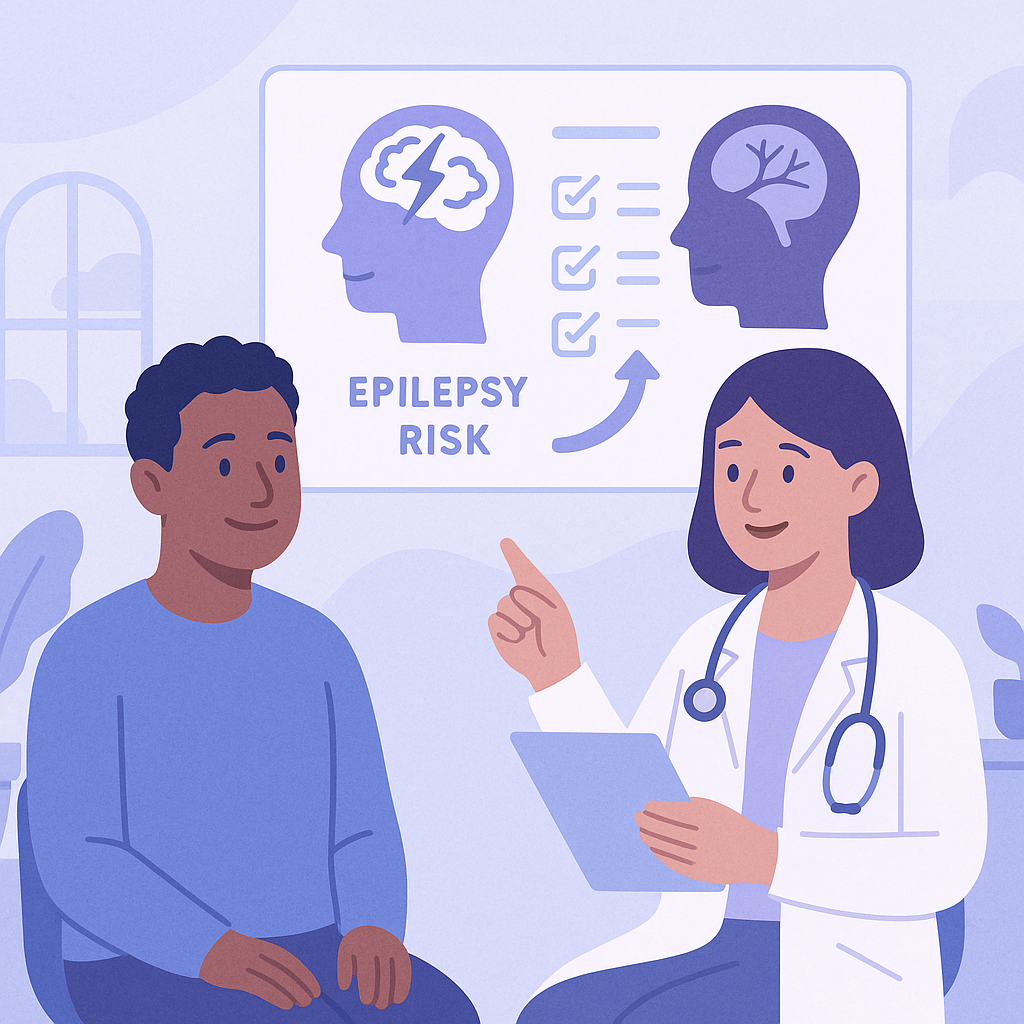
The study found that certain factors can help predict the likelihood of developing poststroke epilepsy (PSE). These factors include the size of the brain injury, whether the injury affected the outer layer of the brain, if there was bleeding in the brain, if the patient had seizures shortly after the stroke, and the patient's age. The researchers created a scoring system called the IsCHEMiA score, which can categorize patients into low or high risk for developing epilepsy based on their individual scores. For example, a score of 3 indicates a low risk of seizures, while a score of 8 or higher suggests a high risk.
This research is important because it provides a new tool for doctors to better understand and predict the risk of epilepsy after a stroke, which can help in planning treatment and care. However, it is essential to note that while the IsCHEMiA score shows promise, it is based on specific patient groups and may not apply to everyone. More research is needed to confirm its effectiveness in different populations and to explore how it can be used in future treatments for stroke patients.
Free: Seizure First Aid Quick Guide (PDF)
Plus one plain-language weekly digest of new epilepsy research.
Unsubscribe anytime. No medical advice.