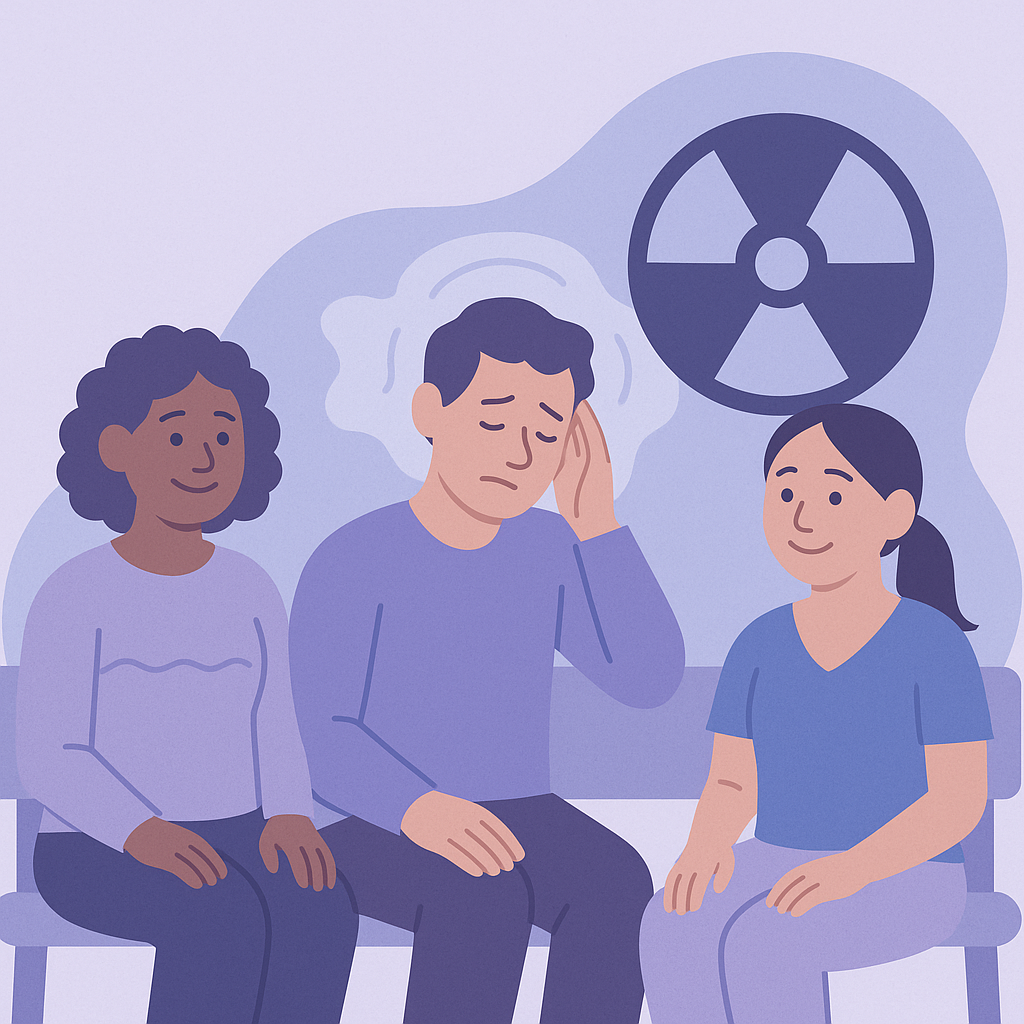
Epilepsy Patients Show Increased Sensitivity to Radiation
Source: Journal of neurology
Summary
Researchers studied how sensitive people with epilepsy (PWE) are to radiation compared to healthy individuals and cancer patients. They collected blood samples from 105 adults with epilepsy and compared the results to samples from 209 healthy people and 319 cancer patients. The samples were exposed to radiation, and the researchers looked for changes in the chromosomes to measure how much damage was done.
The study found that people with epilepsy had a higher level of radiation sensitivity than both healthy individuals and cancer patients. Specifically, the average number of chromosome breaks was greater in those with epilepsy. Additionally, certain antiseizure medications, like perampanel and lacosamide, appeared to increase this sensitivity. Interestingly, male patients with epilepsy were more sensitive than female patients, which might be linked to the higher intake of folic acid recommended for women.
This research is important because it highlights that people with epilepsy may need special consideration when undergoing treatments that involve radiation, such as cancer therapy. While the findings suggest that folic acid could help protect against radiation damage, the study has limitations, including the small number of participants and the focus on specific groups. More research is needed to fully understand the implications and to explore how to best support individuals with epilepsy during medical treatments.
Free: Seizure First Aid Quick Guide (PDF)
Plus one plain-language weekly digest of new epilepsy research.
Unsubscribe anytime. No medical advice.