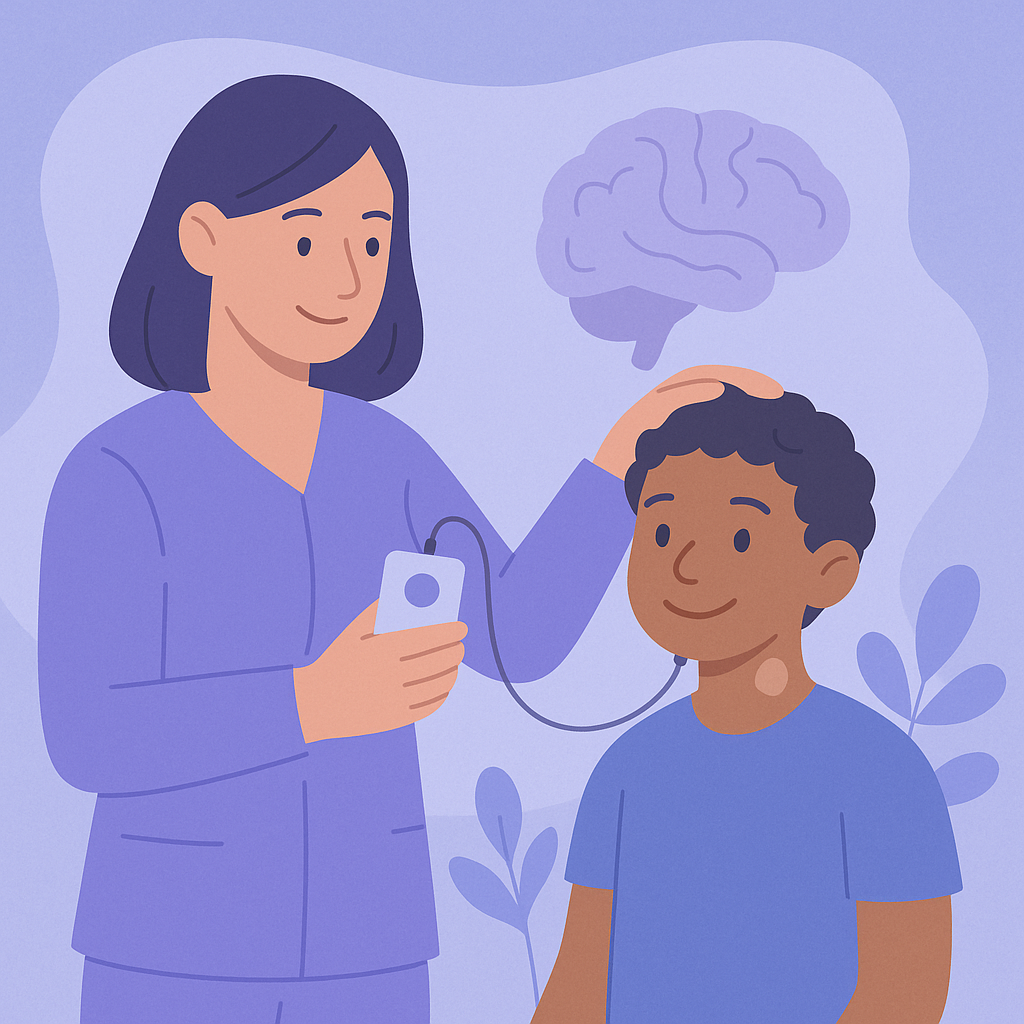
Vagal Nerve Stimulation Helps Children with Hard-to-Treat Epilepsy
⚠️ Infant dosing/safety: medication and diet decisions for infants require individualized medical guidance.
Source: Child's nervous system : ChNS : official journal of the International Society for Pediatric Neurosurgery
Summary
Researchers studied the effects of vagal nerve stimulation (VNS) on children with drug-refractory epilepsy (DRE) in South Africa. They looked at the medical records of 93 young patients who had VNS implanted between 2008 and 2022. The study focused on how well VNS worked in reducing seizures and examined various factors like the age of the children and how long they had epilepsy before getting the treatment.
The key findings showed that about 60% of the children experienced a significant reduction in seizures, meaning they had at least half as many seizures after getting VNS. Younger age at the time of treatment and a shorter time from the first seizure to getting VNS were linked to better results. Most children started to see improvements within about 7 months, and the side effects from the procedure were minimal, similar to what has been reported in other countries.
This study is important because it shows that VNS can be a safe and effective option for children with DRE in South Africa, similar to results seen in more developed countries. However, there are challenges, such as delays in diagnosis and referral to treatment, which can take up to five years. Raising awareness about VNS as a treatment option among caregivers and healthcare providers could help improve access and outcomes for these children.
Free: Seizure First Aid Quick Guide (PDF)
Plus one plain-language weekly digest of new epilepsy research.
Unsubscribe anytime. No medical advice.