Pediatric Epilepsy Surgery Can Improve Cognitive and Behavioral Outcomes
Source: The Clinical neuropsychologist
Summary
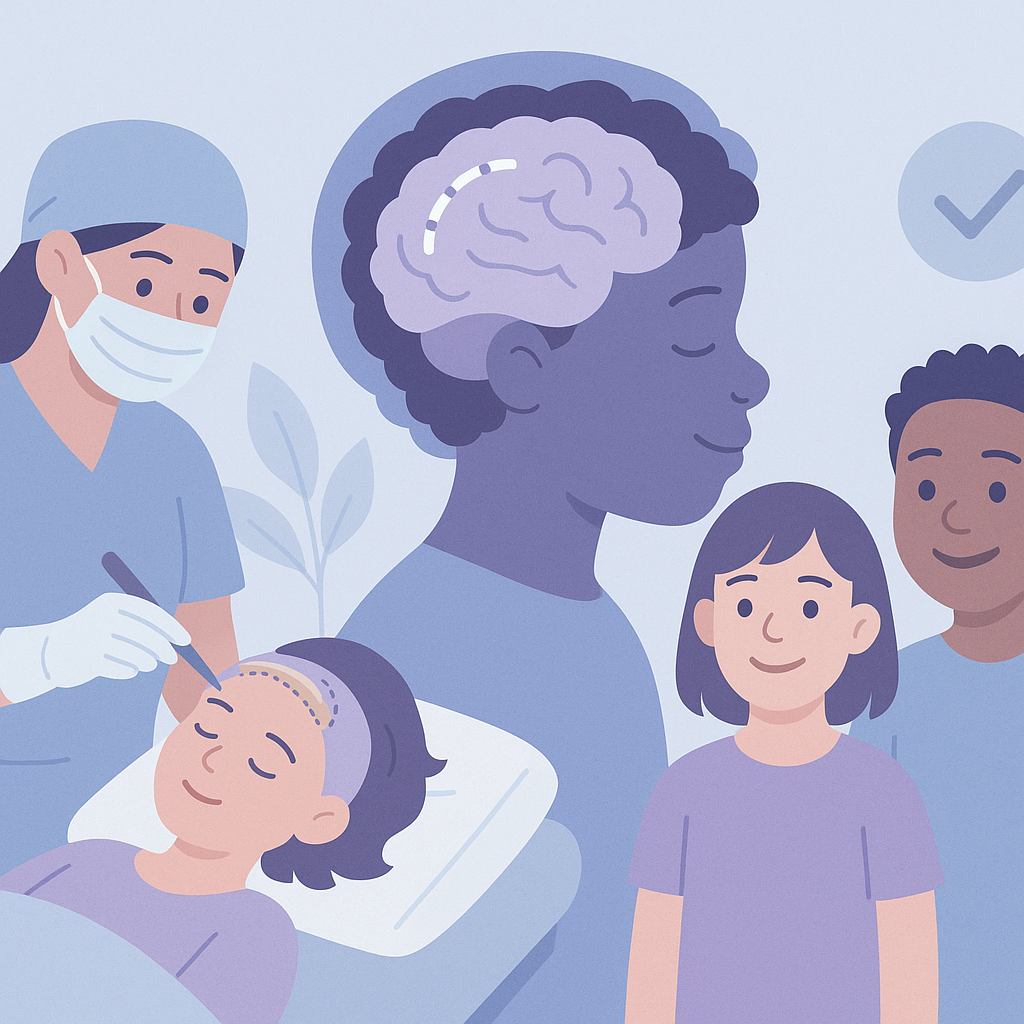
This study looked at the effects of epilepsy surgery on children and teenagers who have epilepsy that does not respond to medication. Researchers reviewed 26 studies published between January 2010 and March 2025, focusing on how surgery impacts neuropsychological, cognitive, and behavioral outcomes in these young patients. The goal was to understand what happens to their thinking skills, memory, and behavior after they undergo surgery to remove parts of the brain causing seizures.
The findings showed that while many children experienced stable or improved overall thinking abilities after surgery, some specific areas were affected differently. For example, children who had surgery on the left side of their brain often had trouble with verbal memory, while those who had surgery on the back part of the brain faced challenges with attention and visual skills. Additionally, children who became seizure-free after surgery tended to show better improvements in their behavior and executive functions, but results varied widely based on factors like age, how long they had epilepsy, and the extent of the surgery.
These results are important because they highlight that while surgery can help control seizures, the effects on thinking and behavior can differ from one child to another. The study also points out the need for better research methods to ensure consistent and reliable results. By improving how studies are conducted and reported, doctors and families can make more informed decisions about surgery and what to expect afterward.
Free: Seizure First Aid Quick Guide (PDF)
Plus one plain-language weekly digest of new epilepsy research.
Unsubscribe anytime. No medical advice.