Physical Activity May Improve Sleep for Youth with Disabilities
Source: International journal of environmental research and public health
Summary
This study looked at how physical activity (PA) and sleep duration are connected in children and teenagers with disabilities. Researchers reviewed 28 studies involving over 138,000 young people under 18 years old who have various disabilities, including autism spectrum disorder (ASD), attention deficit/hyperactivity disorder (ADHD), cerebral palsy, and intellectual disabilities. They wanted to see if meeting recommended levels of physical activity was linked to how much sleep these youth got.
The key findings showed that the type of disability affected sleep duration. For example, youth with autism tended to sleep less than those with physical disabilities. However, those with autism who met the physical activity guidelines of at least 60 minutes a day generally slept longer. The study also found that physical activity was linked to better sleep in youth with ASD, ADHD, and epilepsy, but the results were mixed for those with cerebral palsy and intellectual disabilities.
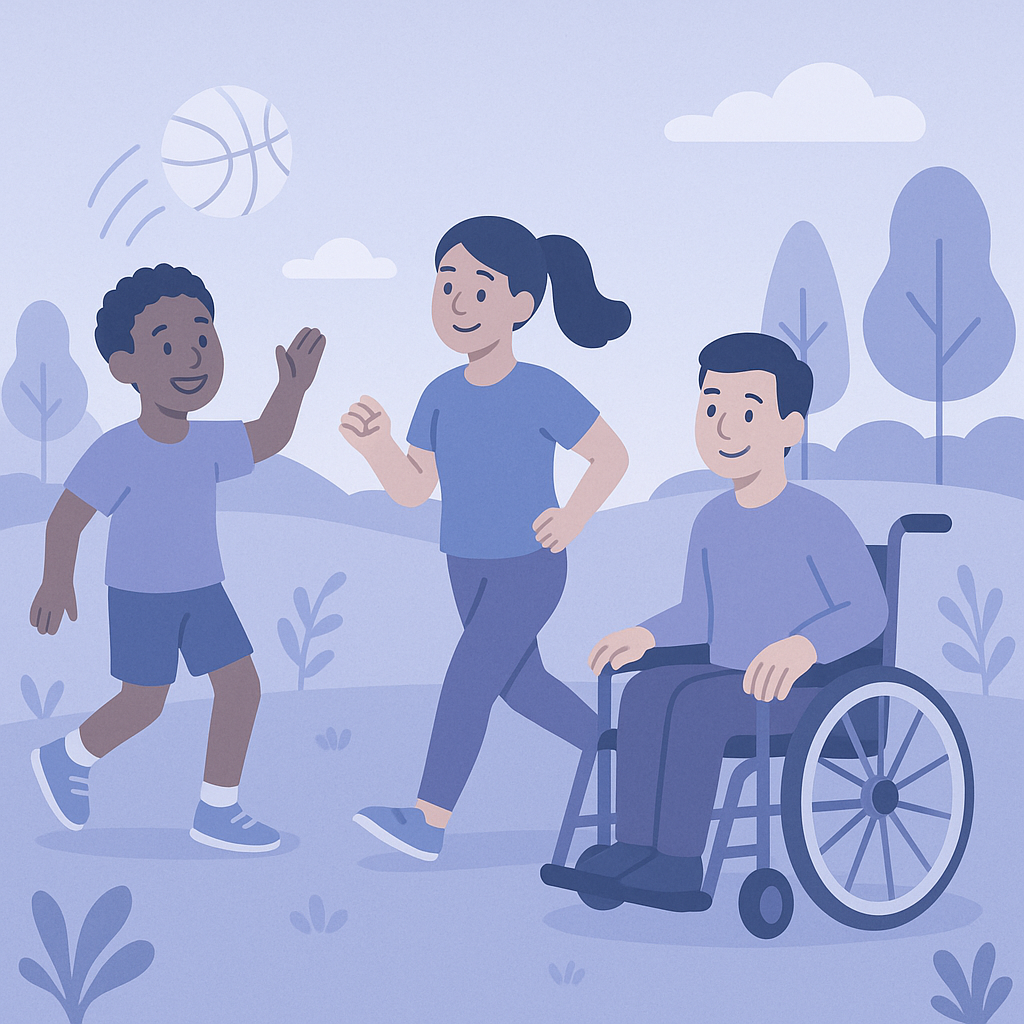
These findings are important because they suggest that increasing physical activity could help improve sleep for some groups of young people with disabilities. However, the study also highlights that not all disabilities respond the same way to physical activity, and more research is needed to understand these differences. Additionally, many youth with disabilities struggle to participate in physical activities, so creating more accessible options in schools and communities could be a helpful step toward better health and sleep.
Free: Seizure First Aid Quick Guide (PDF)
Plus one plain-language weekly digest of new epilepsy research.
Unsubscribe anytime. No medical advice.