Wearable Devices Help Monitor Seizure Risk in Kids with Epilepsy
Source: Epilepsia
Summary
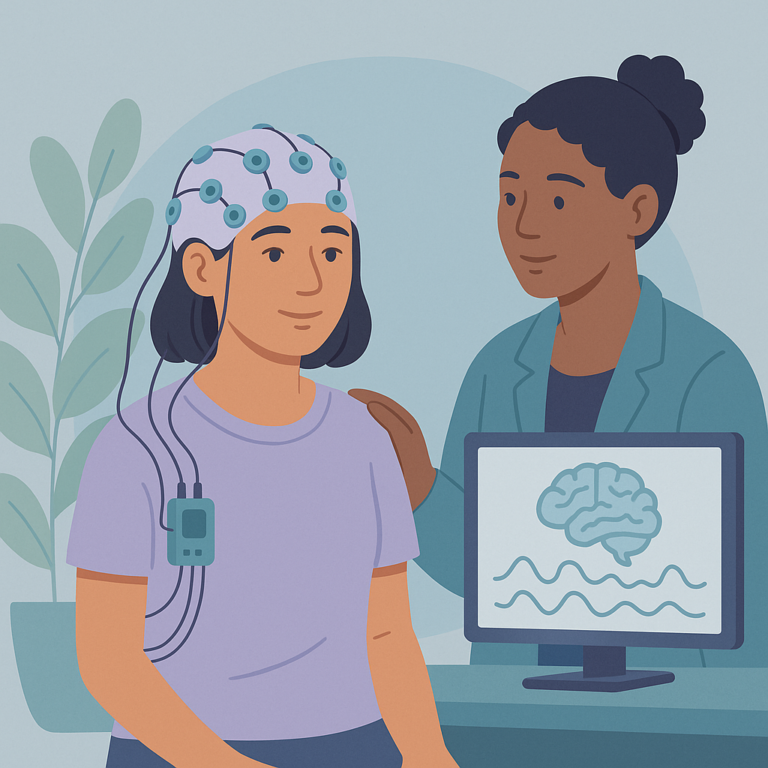
Researchers studied how different doses of antiseizure medication (ASM) affect the autonomic nervous system (ANS) in children with epilepsy. They looked at data from 52 pediatric patients at Boston Children's Hospital who wore devices that tracked their heart rate, skin response, temperature, and breathing patterns over several years. The study focused on comparing days when patients took high doses of ASM to days when they took low doses or no medication at all.
The key findings showed that on days when patients took high doses of ASM, their ANS signals were more closely linked, meaning their body systems worked better together. Specifically, their skin response increased and heart rate decreased during these times. In contrast, on days without ASM, these connections weakened, suggesting that the medication helps regulate the body's automatic functions. Additionally, patients were more likely to have seizures on low-dose days compared to high-dose days.
This research is important because it highlights how ASM can influence the body's automatic responses, which may help in understanding seizure risks. However, the study has limitations, such as the small number of patients and the focus on a specific age group. More research is needed to confirm these findings and explore how they can be used to tailor treatments for individual patients.
Free: Seizure First Aid Quick Guide (PDF)
Plus one plain-language weekly digest of new epilepsy research.
Unsubscribe anytime. No medical advice.