Fast Brainwave Patterns May Predict Epilepsy Surgery Success
Source: Epilepsia open
Summary
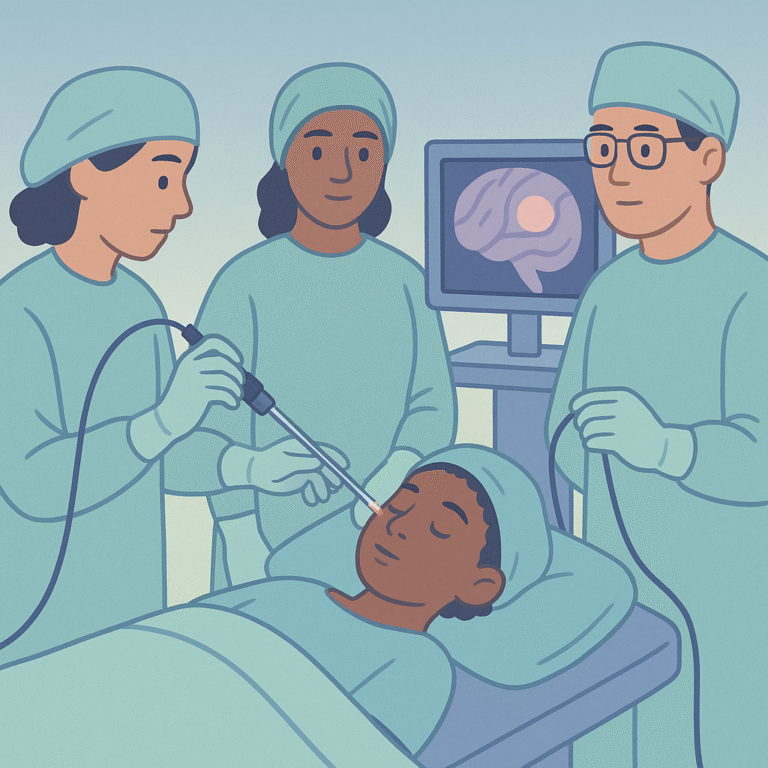
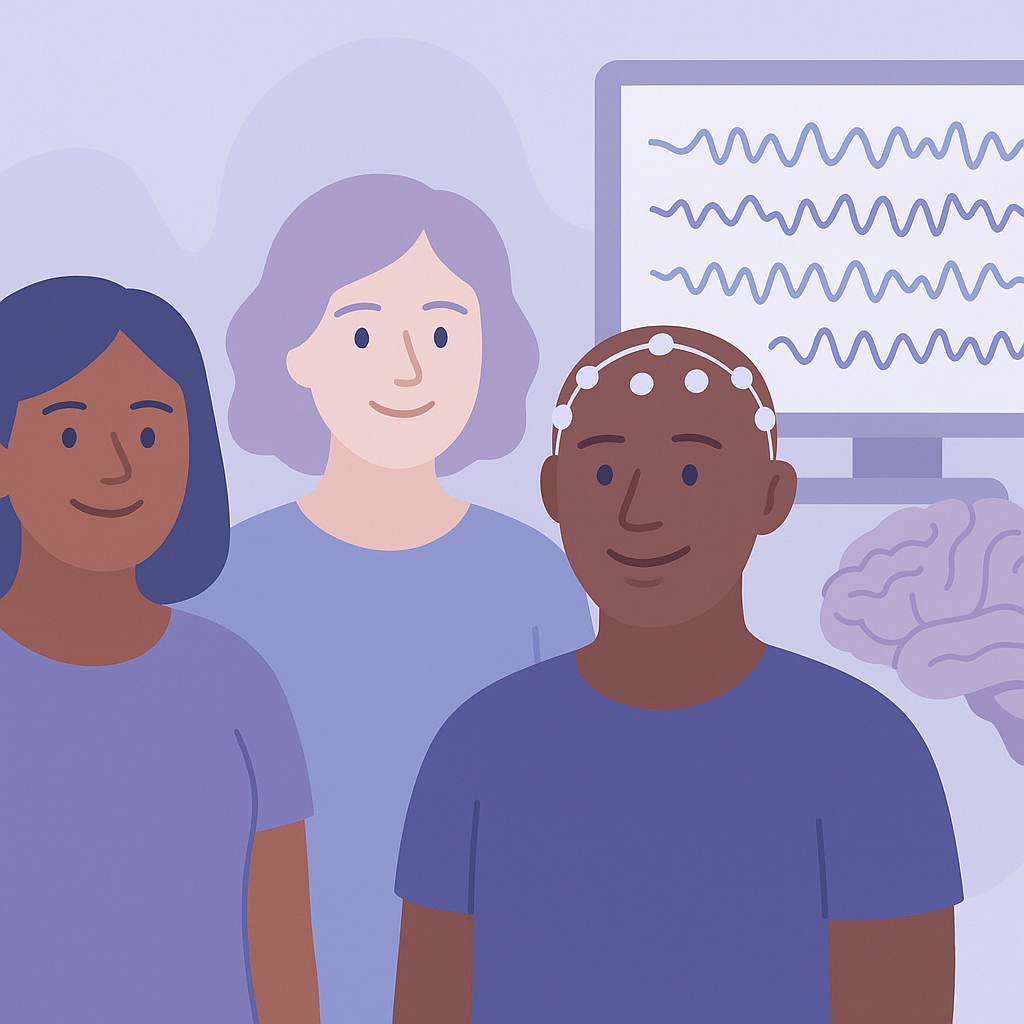
Researchers studied 47 patients with drug-resistant temporal lobe epilepsy and hippocampal sclerosis who were undergoing surgery to help control their seizures. They used a special type of brainwave recording called high-density EEG to look for specific patterns in the brain's electrical activity. The goal was to see if these patterns could predict whether the surgery would be successful in stopping seizures.
The key finding was that patients who continued to have seizures after surgery showed higher frequencies of brainwave activity compared to those who became seizure-free. Specifically, a certain type of fast brainwave signal, called scalp fast oscillations, was found to be linked to surgical outcomes. This means that the presence of these fast signals could help predict if a patient would still have seizures after the surgery, with a good level of accuracy.
This research is important because it suggests that analyzing brainwave patterns could help doctors make better decisions about epilepsy surgery. However, the study has limitations, such as a small number of patients and the need for further research to confirm these findings. Overall, this approach could lead to more personalized treatment plans for individuals with epilepsy.
Free: Seizure First Aid Quick Guide (PDF)
Plus one plain-language weekly digest of new epilepsy research.
Unsubscribe anytime. No medical advice.