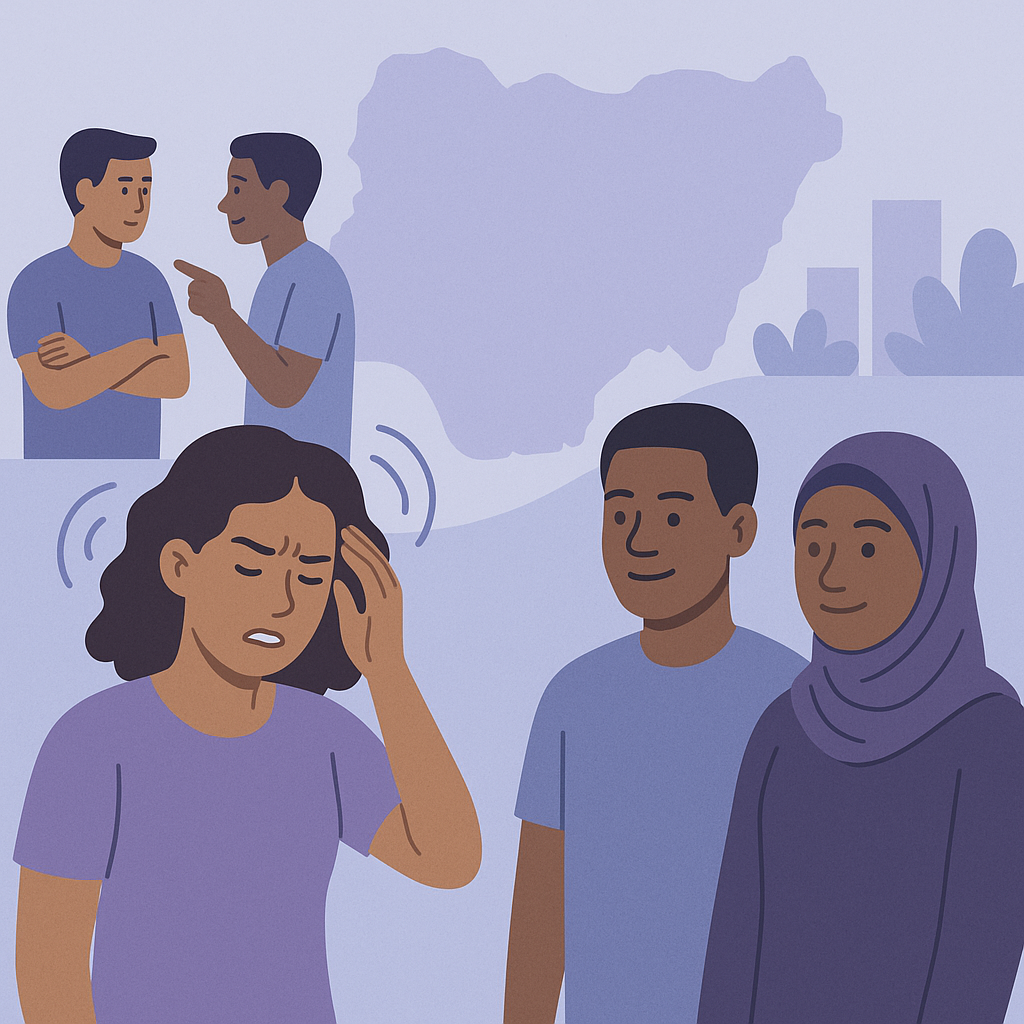
Understanding Epilepsy Stigma and Its Impact in Nigeria
Source: African journal of disability
Summary
Researchers studied the stigma faced by people living with epilepsy in Nigeria. They reviewed ten different studies published between 2011 and 2024 to understand how stigma affects these individuals, what causes it, and its impact on their lives. The goal was to gather insights that could help improve the situation for people with epilepsy and promote their inclusion in society.
The findings revealed that stigma comes in different forms, including how people perceive those with epilepsy, how they treat them, and how individuals with epilepsy may feel about themselves. Many cultural beliefs contribute to this stigma, such as the idea that epilepsy is linked to witchcraft or curses. Additionally, economic challenges, gender issues, and social exclusion make the situation worse, leading to discrimination and limited access to healthcare, education, and job opportunities for people with epilepsy.
Understanding and addressing this stigma is important because it significantly affects the quality of life for people with epilepsy in Nigeria. The study highlights the need for culturally sensitive interventions and better healthcare policies to combat stigma and ensure fair treatment. However, the research is limited to Nigeria, and findings may not apply to other countries or cultures, suggesting that more studies are needed in different contexts.
Free: Seizure First Aid Quick Guide (PDF)
Plus one plain-language weekly digest of new epilepsy research.
Unsubscribe anytime. No medical advice.