New Hope for Neuropsychiatric Disorders with eTNS Therapy
Source: Frontiers in neurology
Summary
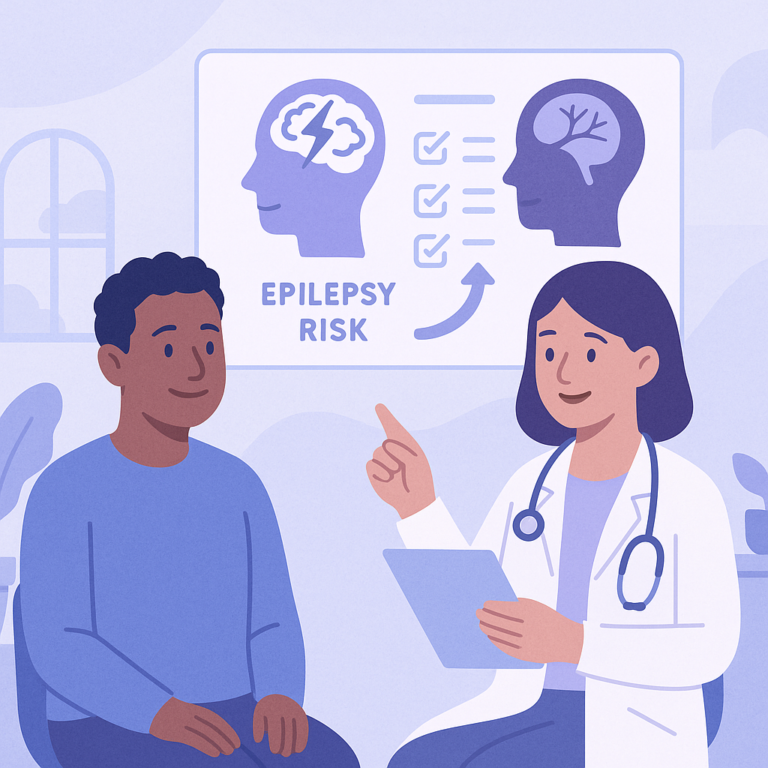
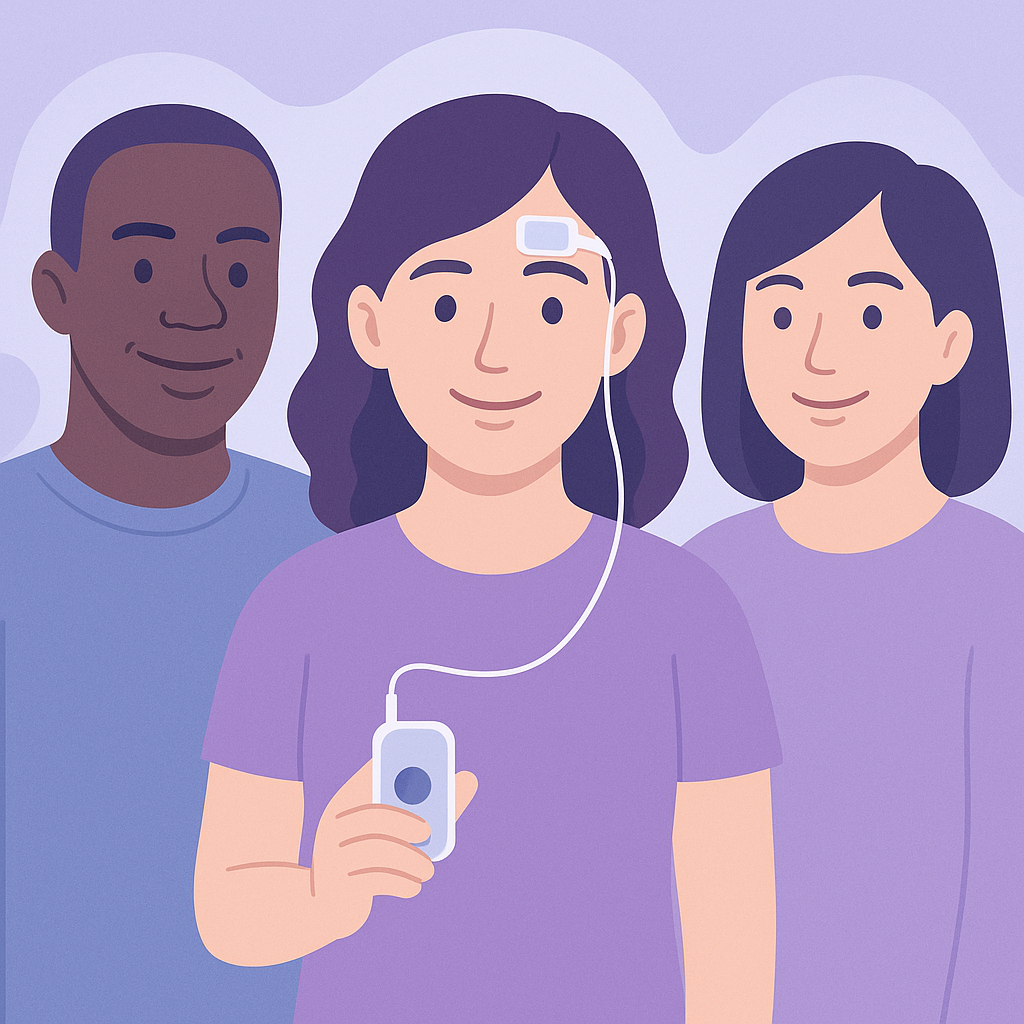
Researchers studied a technique called external trigeminal nerve stimulation (eTNS) to see how it might help with various neuropsychiatric disorders. This method involves applying low-intensity electrical currents to a specific nerve in the face, which is thought to influence brain activity. The studies looked at how eTNS could benefit conditions like attention-deficit/hyperactivity disorder (ADHD), migraines, epilepsy, depression, anxiety, and disorders of consciousness.
The findings suggest that eTNS may provide meaningful benefits for people with ADHD and migraines, and it shows promise as an additional treatment for epilepsy. While the technique appears to be safe, the studies have limitations, such as small numbers of participants and varying methods of stimulation. This means that while the results are encouraging, more research is needed to confirm these benefits and understand the best ways to use eTNS.
Understanding eTNS is important because it offers a noninvasive option for treating challenging conditions. However, the current studies are not definitive due to their small size and lack of standard protocols. Future research should focus on larger, more controlled studies to better understand how to use eTNS effectively and safely. This could lead to more personalized treatments for individuals with neuropsychiatric disorders.
Free: Seizure First Aid Quick Guide (PDF)
Plus one plain-language weekly digest of new epilepsy research.
Unsubscribe anytime. No medical advice.