Reanalyzing Genome Data Helps Diagnose Infants With Epilepsy
⚠️ Infant dosing/safety: medication and diet decisions for infants require individualized medical guidance.
Source: Neurology
Summary
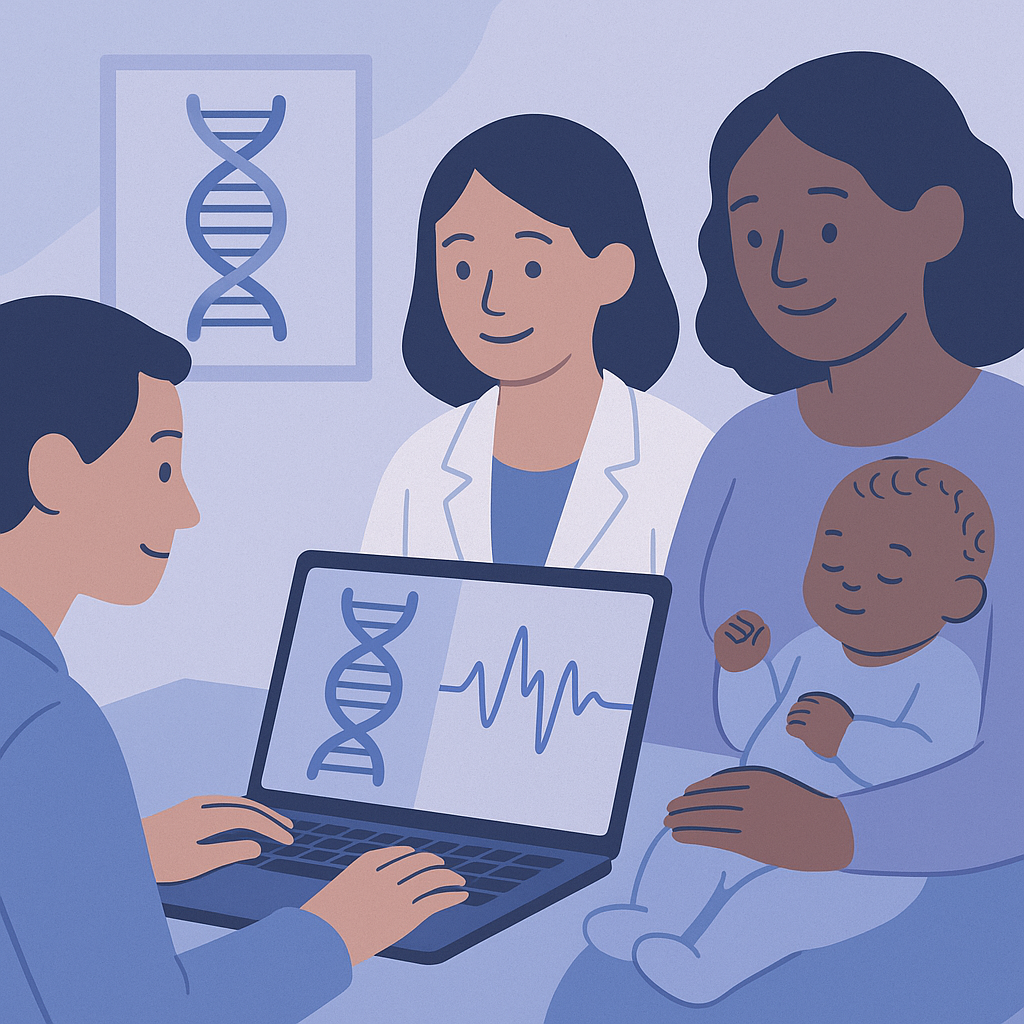
Researchers studied infants with unexplained epilepsy, particularly those who had undergone rapid genome sequencing that did not provide clear answers. The study involved 176 infants from four pediatric centers, all of whom had previously received nondiagnostic results from their genetic tests. The goal was to see if reanalyzing their genetic data could lead to new diagnoses.
The key finding was that reanalyzing the genetic data led to a diagnosis in 5.1% of the infants who had previously received no answers. This means that out of the 176 infants, 9 were found to have genetic conditions that explained their epilepsy. Overall, this increased the total diagnostic rate from 43.6% to 46.5%. The new diagnoses included various genetic changes that had not been identified before or were previously unclear.
This study is important because it shows that reanalyzing genetic data can help some infants with unexplained epilepsy find a diagnosis, which can guide their treatment and care. However, the overall yield of new diagnoses was still relatively low, and not all infants benefited from the reanalysis. This suggests that while reanalysis can be useful, it may not be a solution for every case, and further research is needed to improve diagnostic methods for these infants.
Free: Seizure First Aid Quick Guide (PDF)
Plus one plain-language weekly digest of new epilepsy research.
Unsubscribe anytime. No medical advice.