Low-Frequency rTMS Improves Cognition and Reduces Seizures
Source: PeerJ
Summary
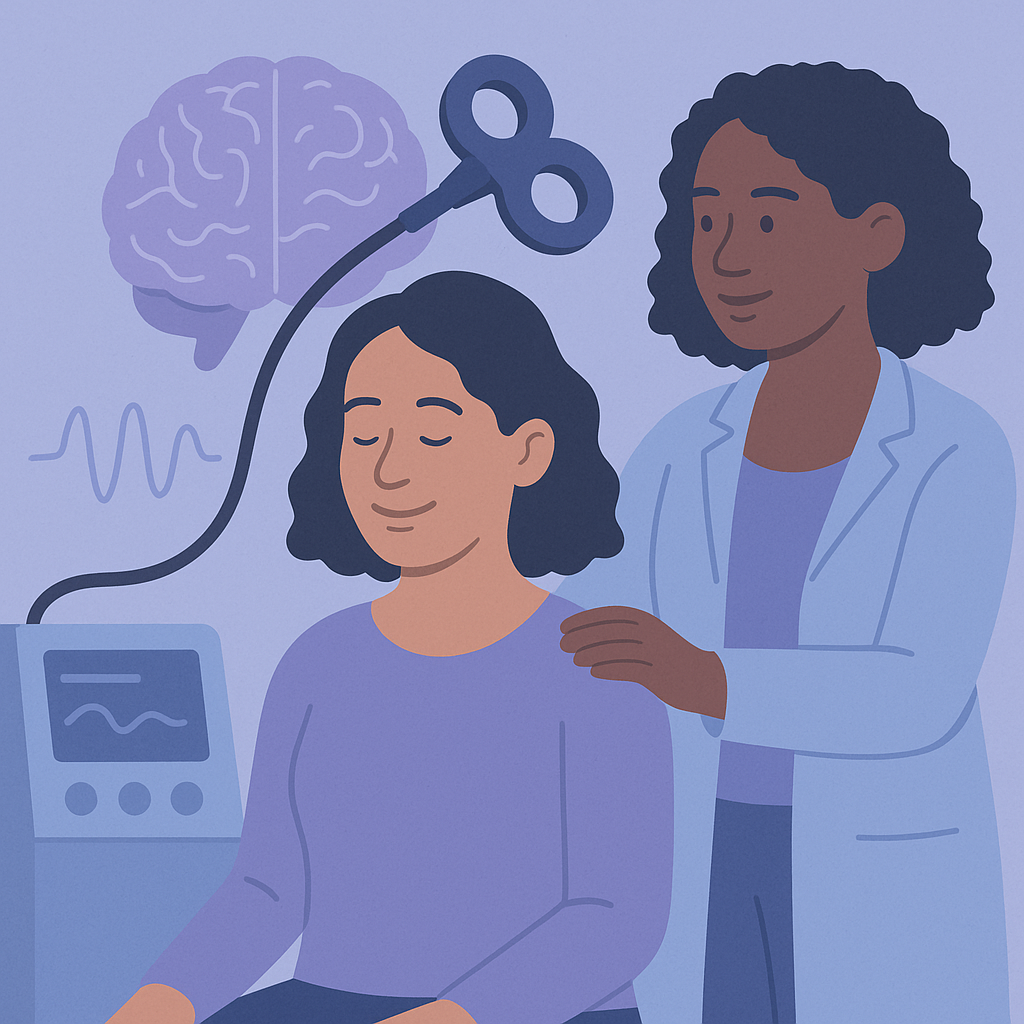
This study looked at how low-frequency repetitive transcranial magnetic stimulation (LF-rTMS) affects cognitive function and epileptiform discharges in people with epilepsy. Researchers reviewed 12 randomized controlled trials that included a total of 1,289 patients. They wanted to see if factors like age and treatment details (such as how long and how often the treatment was given) influenced the results.
The findings showed that LF-rTMS significantly improved cognitive function and reduced epileptiform discharges. Specifically, patients aged 45-60 years experienced the most cognitive improvement when treated with specific protocols, while younger patients (under 45) had better results in reducing epileptiform discharges with shorter treatment durations. Overall, the treatment appeared effective, but the results varied based on the treatment details and patient age.
These results are important because they suggest that LF-rTMS could be a useful option for managing epilepsy and improving cognitive abilities. However, the study had some limitations, such as issues with how the trials were conducted and differences in treatment methods. While the evidence is strong for cognitive improvement, it is moderate for reducing epileptiform discharges, indicating that more research is needed to fully understand the best ways to use this treatment.
Free: Seizure First Aid Quick Guide (PDF)
Plus one plain-language weekly digest of new epilepsy research.
Unsubscribe anytime. No medical advice.