Targeting Deep Brain Stimulation for Better Epilepsy Outcomes
Source: BMJ (JNNP)
Summary
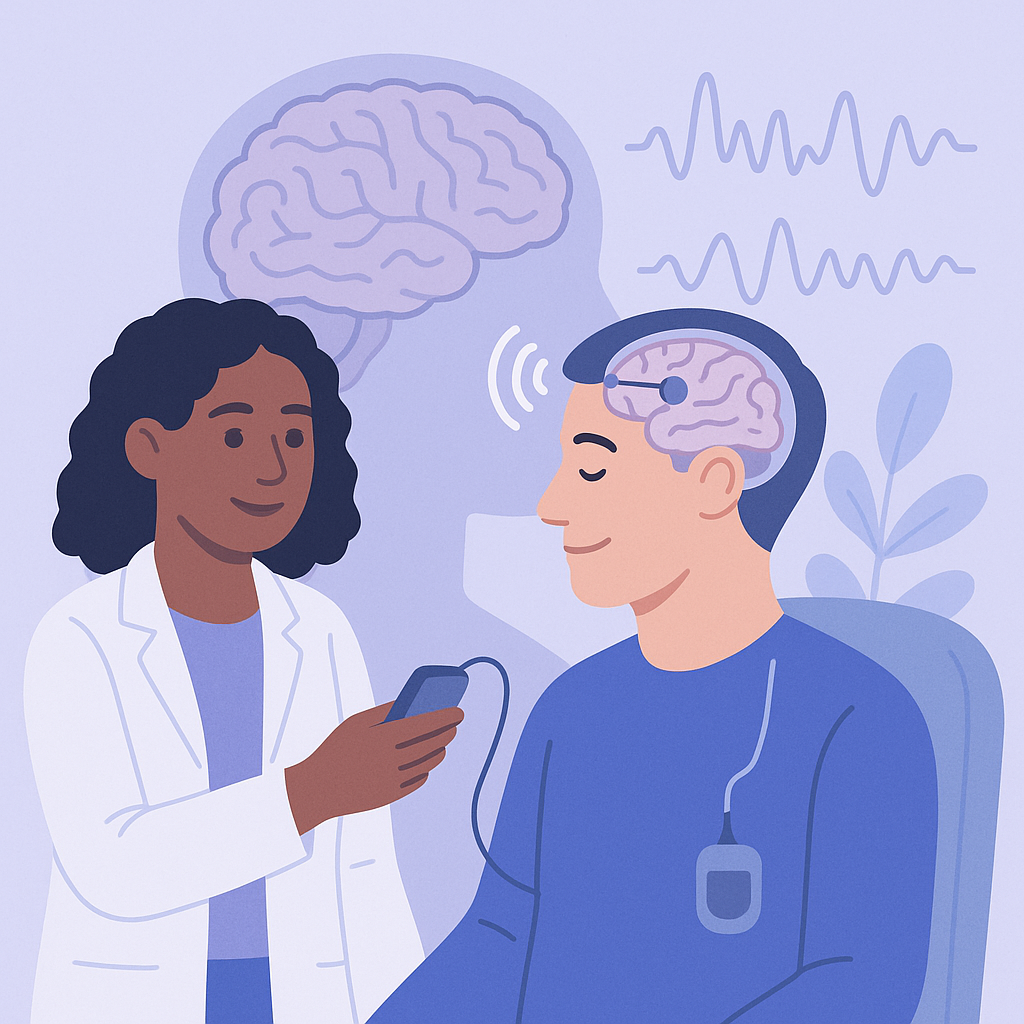
Researchers studied deep brain stimulation (DBS) as a treatment for people with epilepsy who do not respond to medication and cannot have surgery. They reviewed 124 studies involving 1,210 patients and looked at different brain areas where the stimulation was applied. The goal was to understand how different targeting strategies and electrode placements affect the outcomes for patients with various types of epilepsy.
The key findings showed that the anterior (ANT) and centromedian (CM) nuclei of the thalamus are the most commonly studied targets for DBS. They found that the location of the stimulation is important for reducing seizures. For example, when the stimulation was closer to a specific brain junction in the ANT, patients experienced more significant seizure reductions. Additionally, the best results from CM stimulation depended on the type of epilepsy the patient had, with certain placements working better for generalized epilepsy.
This research is important because it highlights how precise targeting in DBS can lead to better outcomes for people with epilepsy. However, there are limitations, such as the variability in how different studies approached targeting and placement, which means more research is needed to refine these techniques. The researchers also made their findings available to help others in the field continue to explore and improve DBS for epilepsy treatment.
Free: Seizure First Aid Quick Guide (PDF)
Plus one plain-language weekly digest of new epilepsy research.
Unsubscribe anytime. No medical advice.