Long-Term Benefits of Deep Brain Stimulation for KMT2B Disorders
Source: Frontiers in Neurology
Summary
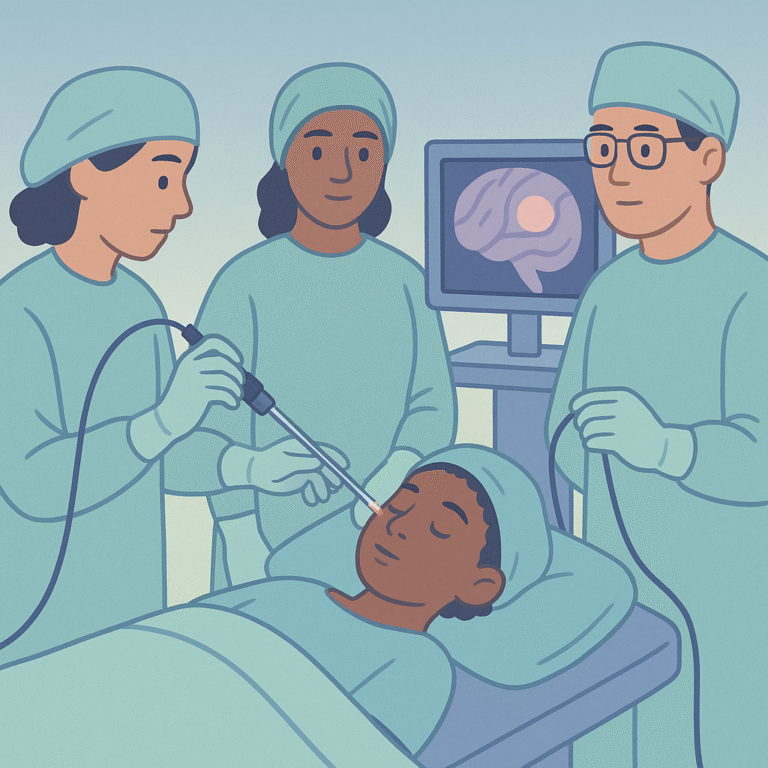
Researchers in Austria studied nine patients with a genetic condition called KMT2B-related disorders, which often leads to early-onset dystonia, a movement disorder. They focused on how these patients responded to a treatment called deep brain stimulation (DBS) over a long period, ranging from 5 to 20 years. The study aimed to better understand the long-term effects of DBS on these patients, especially since most previous studies had only looked at short-term results.
The key findings showed that patients with KMT2B variants often experienced not just movement issues but also developmental delays, intellectual disabilities, and epilepsy. Over time, all patients developed worsening dystonia, which affected their ability to move and speak. However, DBS helped some patients maintain their ability to walk and stay independent, even as other symptoms progressed. This suggests that while the condition is serious and can worsen, DBS can provide lasting benefits if started early.
This study is important because it highlights the complex nature of KMT2B-related disorders and the potential for DBS to improve quality of life for patients. However, it also shows that the condition can vary greatly from person to person, and not everyone will respond the same way to treatment. The findings emphasize the need for early intervention and comprehensive care to achieve the best outcomes for individuals with this disorder.
Free: Seizure First Aid Quick Guide (PDF)
Plus one plain-language weekly digest of new epilepsy research.
Unsubscribe anytime. No medical advice.