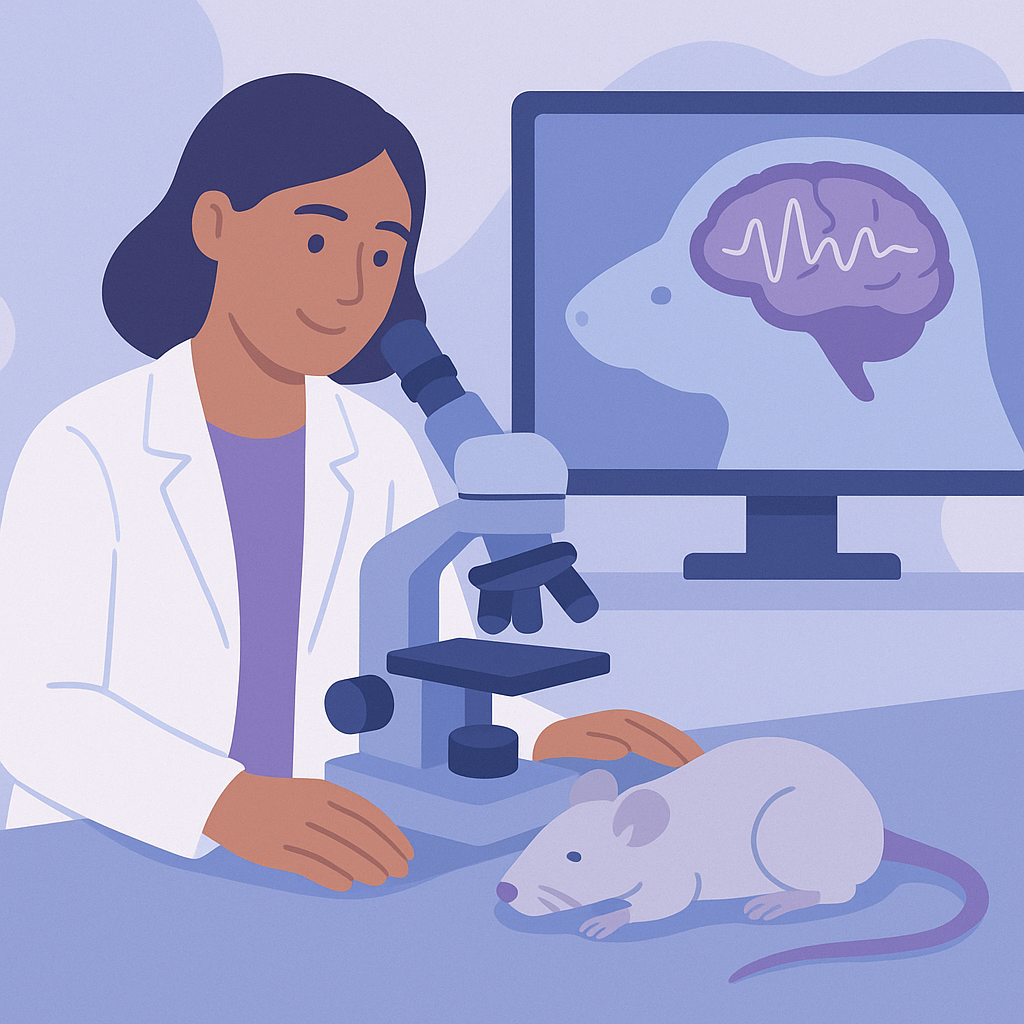
New Imaging Technique Reveals Brain Changes in Epileptic Rats
Source: Brain research bulletin
Summary
This study looked at a specific type of receptor in the brain called the cannabinoid receptor type 2 (CB2R) in rats that have epilepsy. Researchers used a special imaging technique called PET (positron emission tomography) to see how the levels of CB2R changed over time in these rats after they experienced seizures. The study involved comparing the brains of epileptic rats to those of healthy control rats at different times after the seizures occurred.
The key findings showed that the levels of CB2R were higher in certain brain areas of the epileptic rats, especially one week after the seizures. The researchers found that the increase in CB2R was significant in areas like the hippocampus and thalamus, which are important for memory and sensory processing. Additionally, they confirmed that both immune cells (microglia) and nerve cells (neurons) in the brain were involved in this increase in CB2R.
Understanding how CB2R levels change in the brain during epilepsy is important because it may help researchers find new ways to treat or manage the condition. However, this study was done in rats, so we need to be careful about applying these findings directly to humans. More research is needed to see if these results hold true in people with epilepsy and to explore how this information could be used in developing new treatments.
Free: Seizure First Aid Quick Guide (PDF)
Plus one plain-language weekly digest of new epilepsy research.
Unsubscribe anytime. No medical advice.