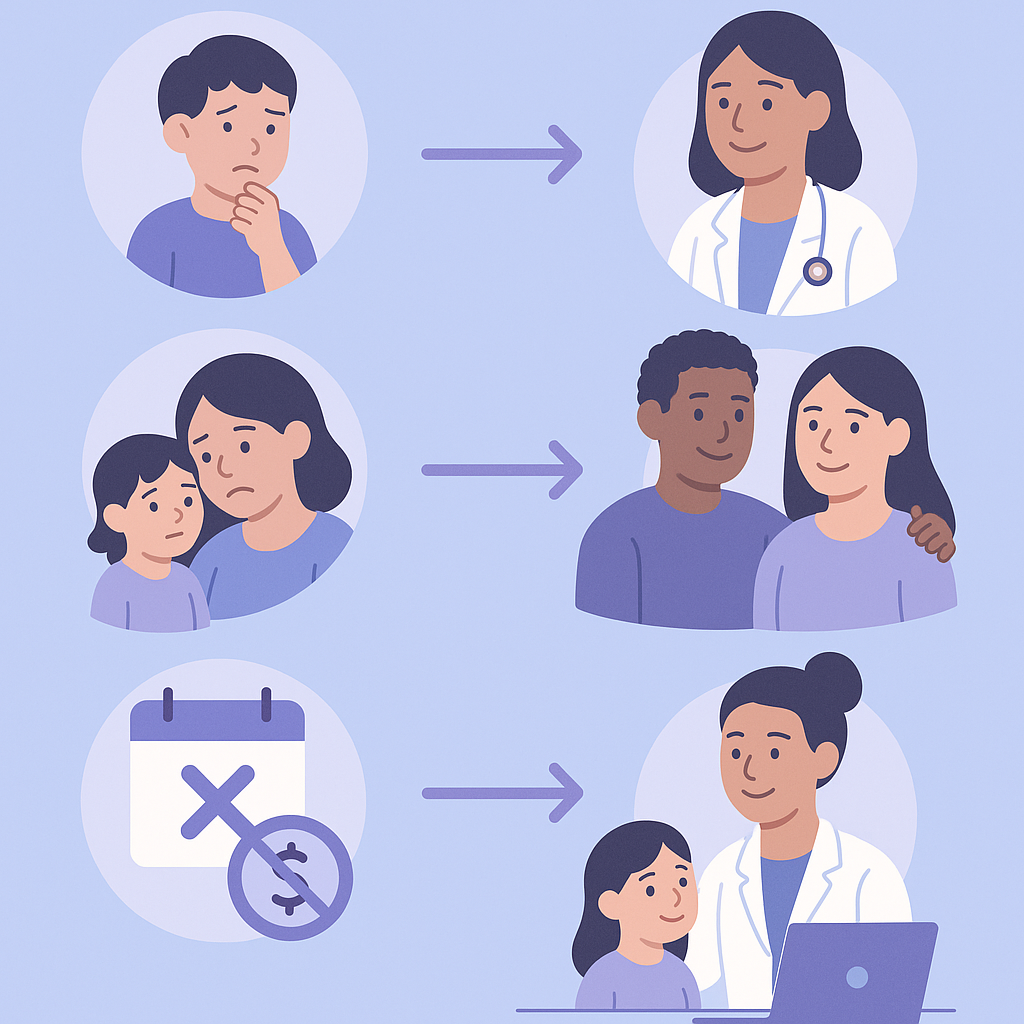
Barriers to Pediatric Epilepsy Surgery and Solutions
Source: Child's nervous system : ChNS : official journal of the International Society for Pediatric Neurosurgery
Summary
This study looked at the reasons why children with drug-resistant epilepsy (DRE) often experience delays in getting surgery that could help them. Researchers reviewed 58 studies to understand the barriers faced by doctors, caregivers, and the healthcare system that contribute to these delays. They aimed to find out what interventions might help overcome these issues and improve access to surgery for children.
The key findings showed that delays in surgery are caused by a mix of factors. Doctors often have different opinions on when to refer a child for surgery, and some may feel unsure about the benefits of the procedure. Caregivers may view surgery as a last option and feel they lack enough information and support. Additionally, systemic issues like limited access to specialized care and insurance problems can make it harder for families to get timely treatment. Some promising solutions identified include better communication tools, team-based care, educational programs for families, and telehealth options that can help streamline the process.
Understanding these barriers is important because it highlights the need for better access to epilepsy surgery for children who need it. While some interventions show promise, there is still a lot of work to be done to ensure that all children receive timely and fair treatment. The study emphasizes the importance of focusing on pediatric needs and expanding successful strategies to reduce delays in surgery for children with DRE.
Free: Seizure First Aid Quick Guide (PDF)
Plus one plain-language weekly digest of new epilepsy research.
Unsubscribe anytime. No medical advice.