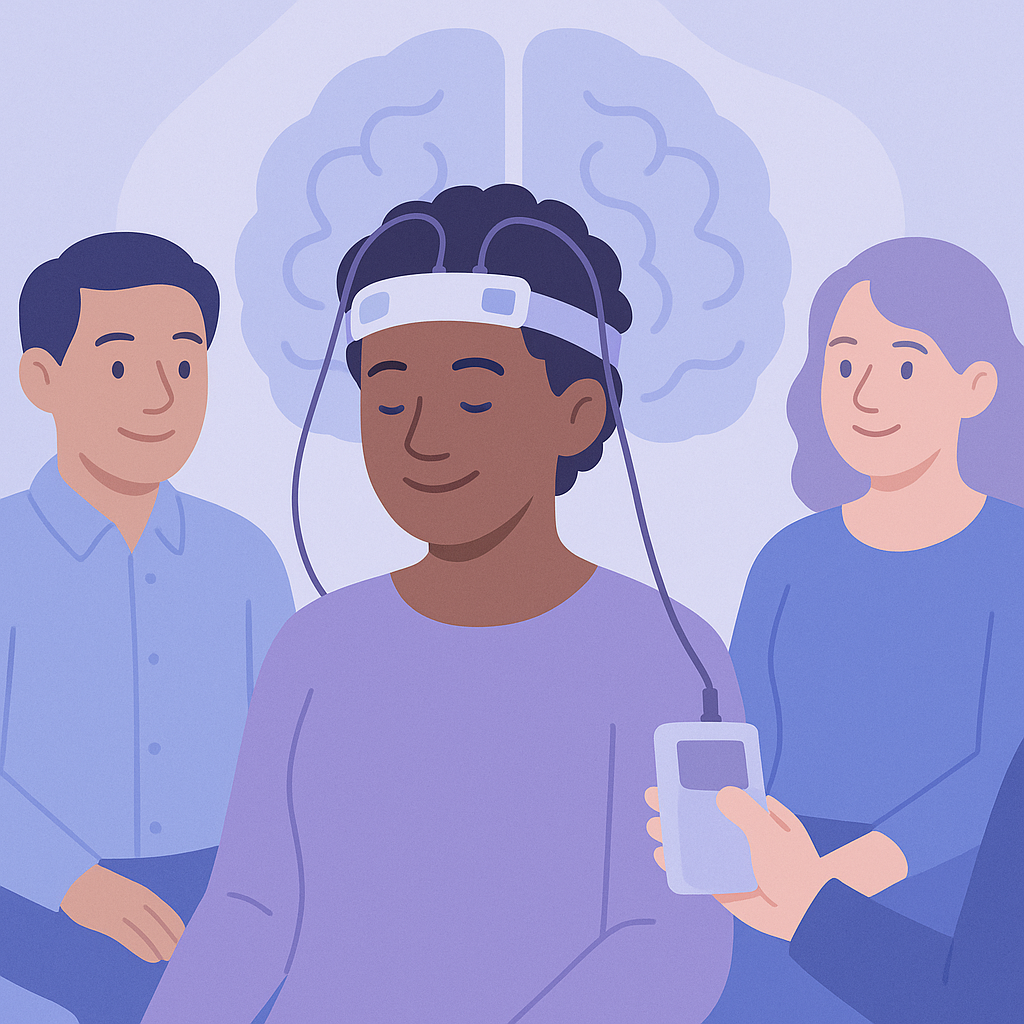
tDCS Shows Promise for Brain Disorders but Needs More Research
Source: Expert review of medical devices
Summary
Researchers studied the effects of transcranial direct current stimulation (tDCS) on various psychiatric and neurological disorders, including epilepsy, major depressive disorder, schizophrenia, alcohol use disorder, stroke, and fibromyalgia. They reviewed 19 clinical trials that used magnetic resonance imaging (MRI) to see how tDCS might work and who might benefit from it. The review aimed to gather information from these studies to better understand the effects of tDCS on the brain.
The key findings showed that while some brain changes were noted with tDCS, the results were inconsistent across different studies. For example, certain brain structures were linked to responses in major depressive disorder, while changes in brain connectivity were observed in schizophrenia and alcohol use disorder. However, the strength and direction of these effects varied, meaning that not everyone responded the same way to the treatment. This inconsistency makes it hard to draw clear conclusions about how well tDCS works.
This research is important because it highlights the potential of tDCS as a treatment option, but it also points out the challenges in understanding how it affects the brain. The differences in study methods and outcomes make it difficult to establish clear guidelines for using tDCS. Future studies need to focus on standardizing how MRI is used in this research to help create more reliable findings that could lead to better treatments for people with epilepsy and other conditions.
Free: Seizure First Aid Quick Guide (PDF)
Plus one plain-language weekly digest of new epilepsy research.
Unsubscribe anytime. No medical advice.


