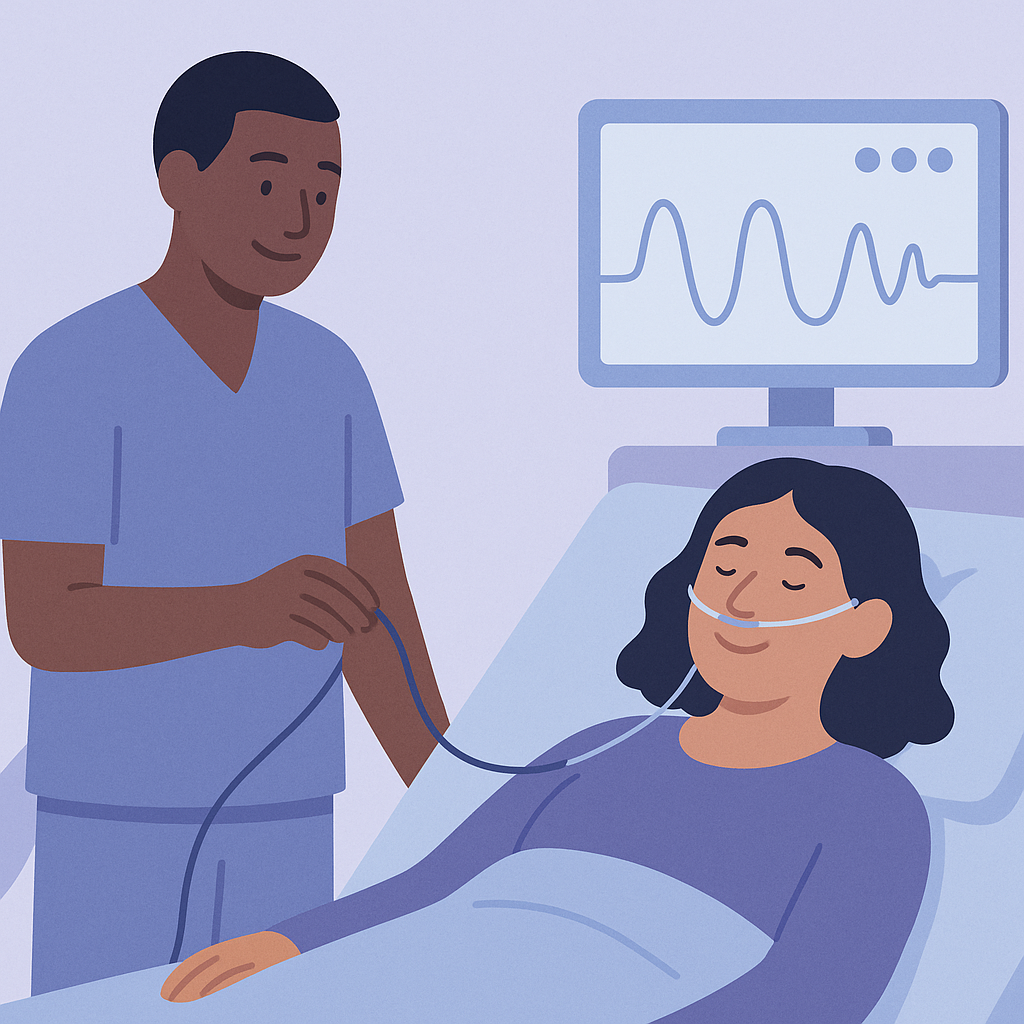
Breathing Patterns May Predict Severe Hypoxemia After Seizures
⚠️ SUDEP: If you have concerns, speak with your clinician about risk and safety planning.
Source: Neurology
Summary
Researchers studied how breathing patterns before seizures might relate to low oxygen levels after generalized convulsive seizures (GCS) in people with epilepsy. They looked at data from 2,506 participants, focusing on 123 individuals who had recorded breathing information during and after their seizures. The study aimed to understand if changes in breathing patterns could indicate the severity and duration of low oxygen levels following a seizure.
The key findings showed that certain breathing patterns before seizures, particularly increased variability in breathing intervals, were linked to more severe and longer-lasting low oxygen levels after GCS. Specifically, the study found that a specific measure of breathing variability while awake was associated with how low oxygen levels dropped and how long they lasted. This suggests that some people with epilepsy may have underlying breathing issues that could increase their risk of severe oxygen deprivation after a seizure.
These findings are important because they highlight a potential way to identify individuals at higher risk for serious complications, such as sudden unexpected death in epilepsy (SUDEP). However, the study has limitations, including that it only looked at a subset of participants and focused on specific measures of breathing. More research is needed to fully understand these relationships and how they can be used to improve care for people with epilepsy.
Free: Seizure First Aid Quick Guide (PDF)
Plus one plain-language weekly digest of new epilepsy research.
Unsubscribe anytime. No medical advice.


