Deep Brain Stimulation Improves Seizure Control and Quality of Life
⚠️ SUDEP: If you have concerns, speak with your clinician about risk and safety planning.
Source: Seizure
Summary
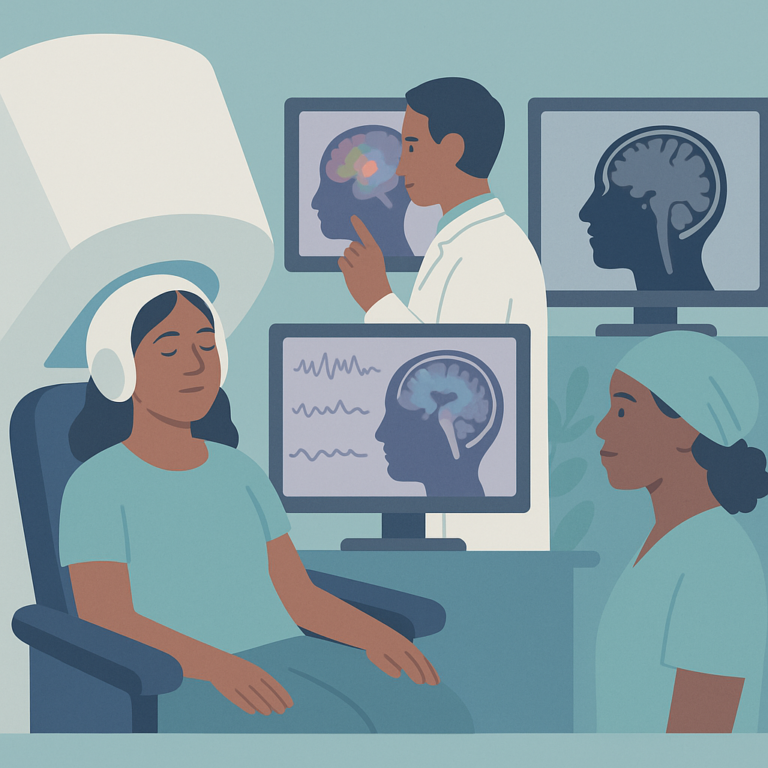
Researchers studied the effectiveness of Deep Brain Stimulation (DBS) for people with drug-resistant epilepsy (DRE), a condition where seizures do not respond well to medication. They reviewed 25 studies that included a total of 480 patients who underwent DBS. The studies were gathered from various medical databases and were carefully selected to ensure they met specific criteria.
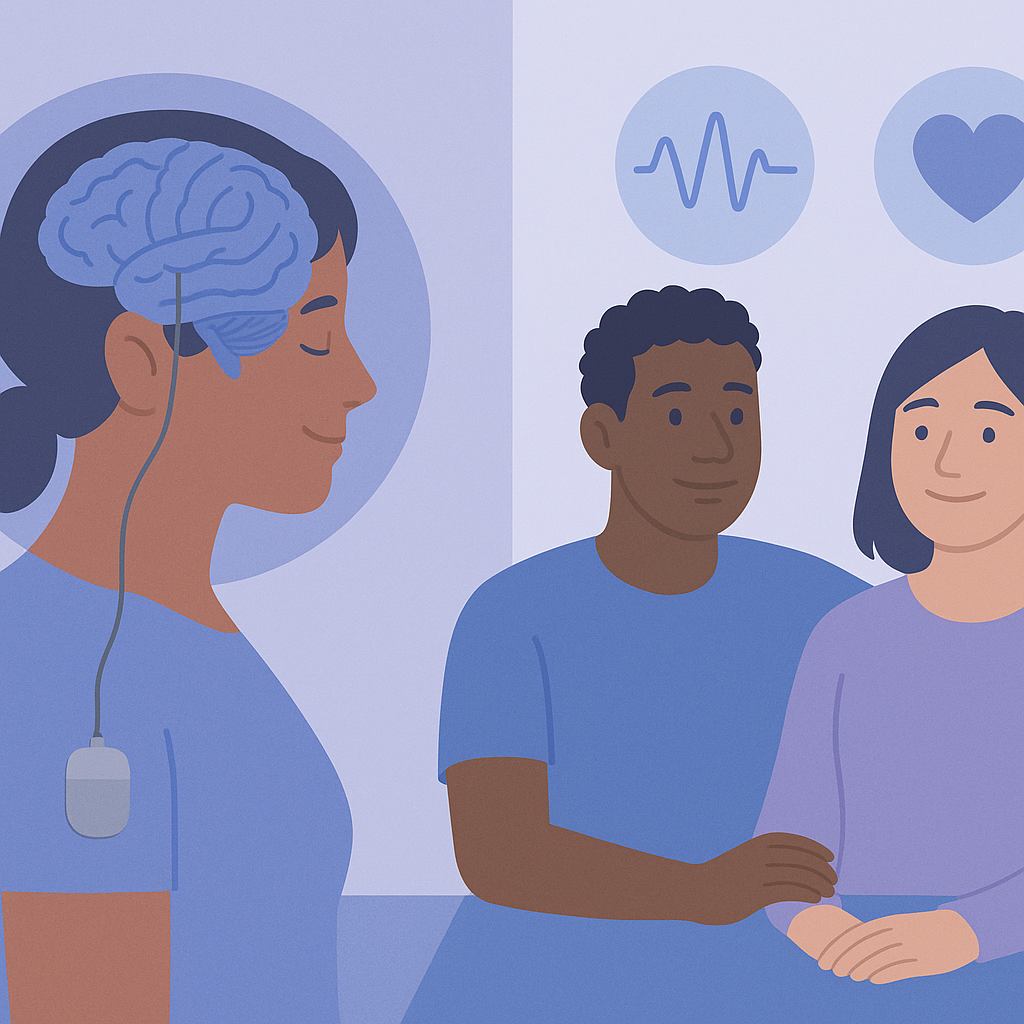
The key findings showed that DBS can significantly reduce seizures and improve quality of life for many patients. In the short term, about 41.6% of patients experienced a reduction in seizures by at least half within 3 to 6 months, and this number increased to 63% after one year. Additionally, patients reported improvements in their quality of life shortly after the procedure, with scores indicating meaningful gains in their well-being.
These findings are important because they suggest that DBS can be a valuable treatment option for those struggling with DRE, offering hope for better seizure control and improved daily living. However, the study also has limitations, such as variability in long-term outcomes and the need for more research to understand which patients benefit the most from DBS. This highlights the importance of ongoing studies to refine treatment approaches and ensure the best possible results for patients.
Free: Seizure First Aid Quick Guide (PDF)
Plus one plain-language weekly digest of new epilepsy research.
Unsubscribe anytime. No medical advice.