Understanding AFG2A-Related Encephalopathy in Children
⚠️ Infant dosing/safety: medication and diet decisions for infants require individualized medical guidance.
Source: Orphanet journal of rare diseases
Summary
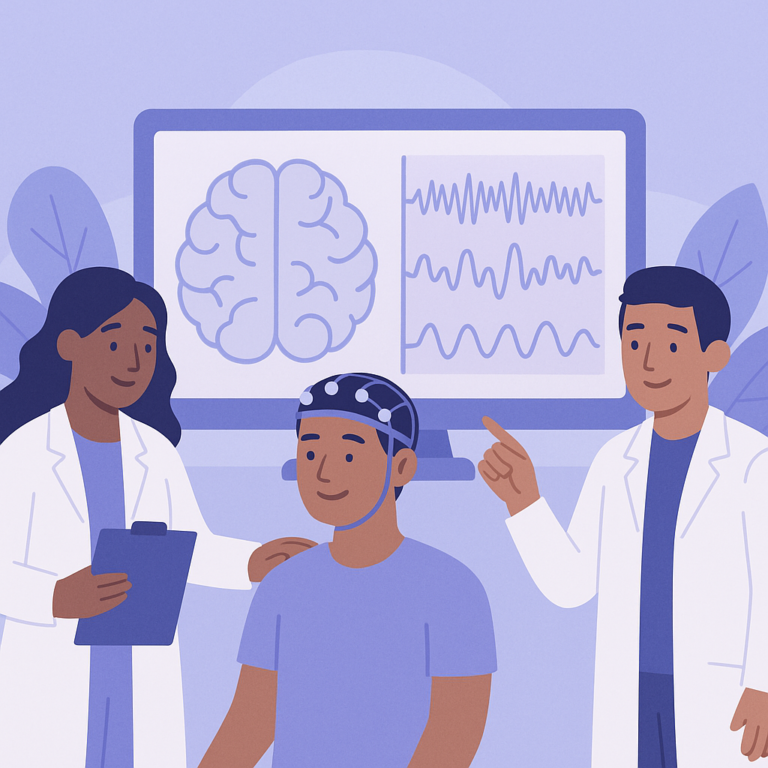
Researchers studied a rare condition called AFG2A-related encephalopathy (AFG2A-RE) by reviewing information from 51 individuals, including 45 from previous studies and 6 from their own recent observations. The group included mostly children, with an average age of about 8 years. They looked at various aspects of the condition, such as clinical features, brain scans, genetic testing, and how well treatments worked.
The study found that most individuals with AFG2A-RE had significant challenges, including intellectual disability, hearing loss, and visual impairment. About 75% of the patients experienced epilepsy, with many having seizures that started in infancy. Unfortunately, most of the epilepsy cases were resistant to treatment, meaning that standard medications did not help. Brain scans often showed abnormalities, such as underdeveloped areas of the brain.
Understanding AFG2A-RE is important because it helps doctors recognize and manage this rare condition better. However, the study has limitations, such as the small number of patients and the lack of clear links between specific genetic changes and the types of epilepsy experienced. This means more research is needed to fully understand the condition and improve care for those affected.
Free: Seizure First Aid Quick Guide (PDF)
Plus one plain-language weekly digest of new epilepsy research.
Unsubscribe anytime. No medical advice.