Family Education Helps Children With Epilepsy Take Medicine
Source: Journal of pediatric nursing
Summary
What was studied
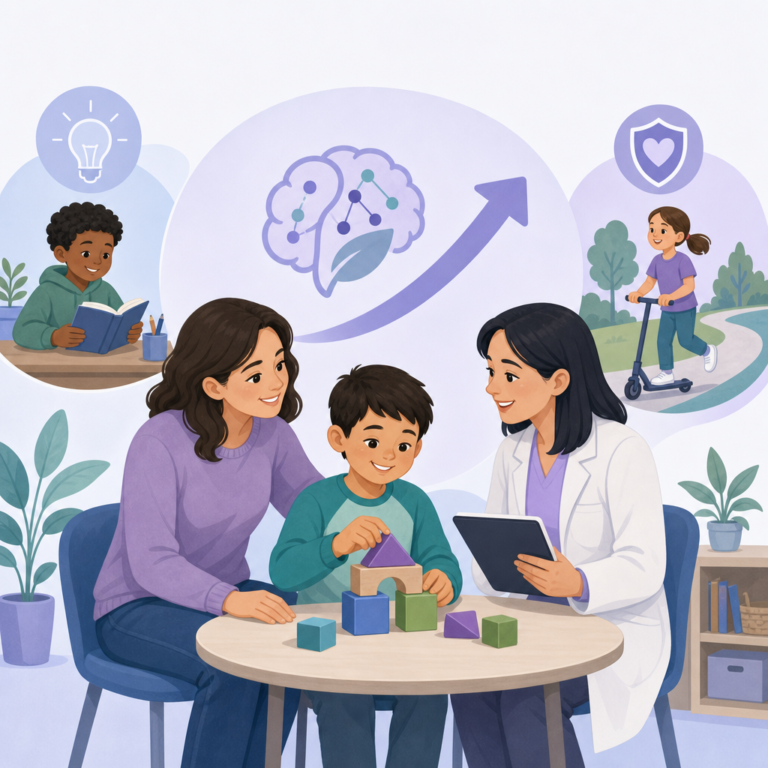
This study looked at how educational programs can help children with epilepsy take their medicine regularly. It included eight randomized controlled trials that focused on different ways to teach families about antiepileptic drugs (AEDs). These trials involved various educational interventions aimed at improving adherence to medication among pediatric patients.
The researchers analyzed data from these trials to see if educational efforts made a difference in how well children followed their medication schedules. They used several methods to ensure the quality of the studies and to assess the overall effectiveness of the interventions.
What they found
The study found that educational programs showed a significant moderate improvement in how well children with epilepsy took their medications. Family-centered approaches and those led by pharmacists appeared to have the best results, particularly in the short term.
Limits of the evidence
The study cannot confirm that these educational interventions will work for every child or in every situation. The results are based on a limited number of trials, and more research is needed to understand the long-term effects and how these programs can be tailored to different families.
For families and caregivers
This information is important for families because it suggests that education about epilepsy and medication may help children take their medicine more consistently. Understanding how to manage epilepsy better could lead to improved health outcomes for their children.
What to watch next
Future studies could explore the long-term effects of these educational programs and how they can be adapted for different family needs.
Free: Seizure First Aid Quick Guide (PDF)
Plus one plain-language weekly digest of new epilepsy research.
Unsubscribe anytime. No medical advice.