Exercise May Boost Memory Signals In The Brain
Source: Brain communications
Summary
What was studied
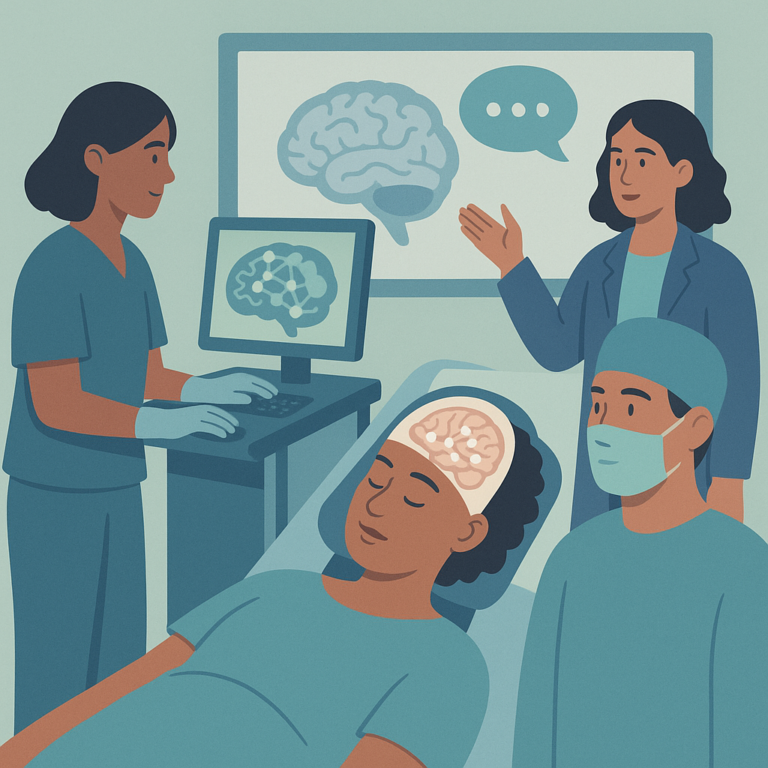
The study looked at how exercise affects memory signals in the brain, specifically focusing on the hippocampus and its connections with other brain areas. It involved epilepsy patients who were undergoing tests before surgery. Researchers recorded brain activity while the patients were at rest, both before and after they exercised.
The main goal was to see if exercise changes the way certain brain signals, called ripples, occur in the hippocampus and how these signals connect with other parts of the brain.
What they found
The study found that exercise increased the rate of ripples in the hippocampus, which are important for memory. It also showed that exercise enhanced the coupling between these ripples and similar signals in other brain networks, indicating that exercise may support memory processing.
Limits of the evidence
The study cannot establish that exercise directly improves memory because it only shows changes in brain activity. It was conducted on a small group of epilepsy patients, so the results may not apply to everyone. More research is needed to understand the long-term effects of exercise on memory.
For families and caregivers
This study might matter to families because it suggests that regular exercise could help support memory and learning in the brain. Understanding how exercise affects brain function can be important for overall health and cognitive development.
What to watch next
Future studies could look at different types of exercise and their effects on memory over a longer period.
Terms in this summary
- hippocampus
- A part of the brain that is important for memory and learning.
- ripples
- Fast brain waves that are linked to memory processing.
- cortical networks
- Groups of brain areas that work together for specific functions.
Free: Seizure First Aid Quick Guide (PDF)
Plus one plain-language weekly digest of new epilepsy research.
Unsubscribe anytime. No medical advice.