Brain Scan Shows Thalamus Changes During Drop Seizures
Source: Brain & development
Summary
What was studied
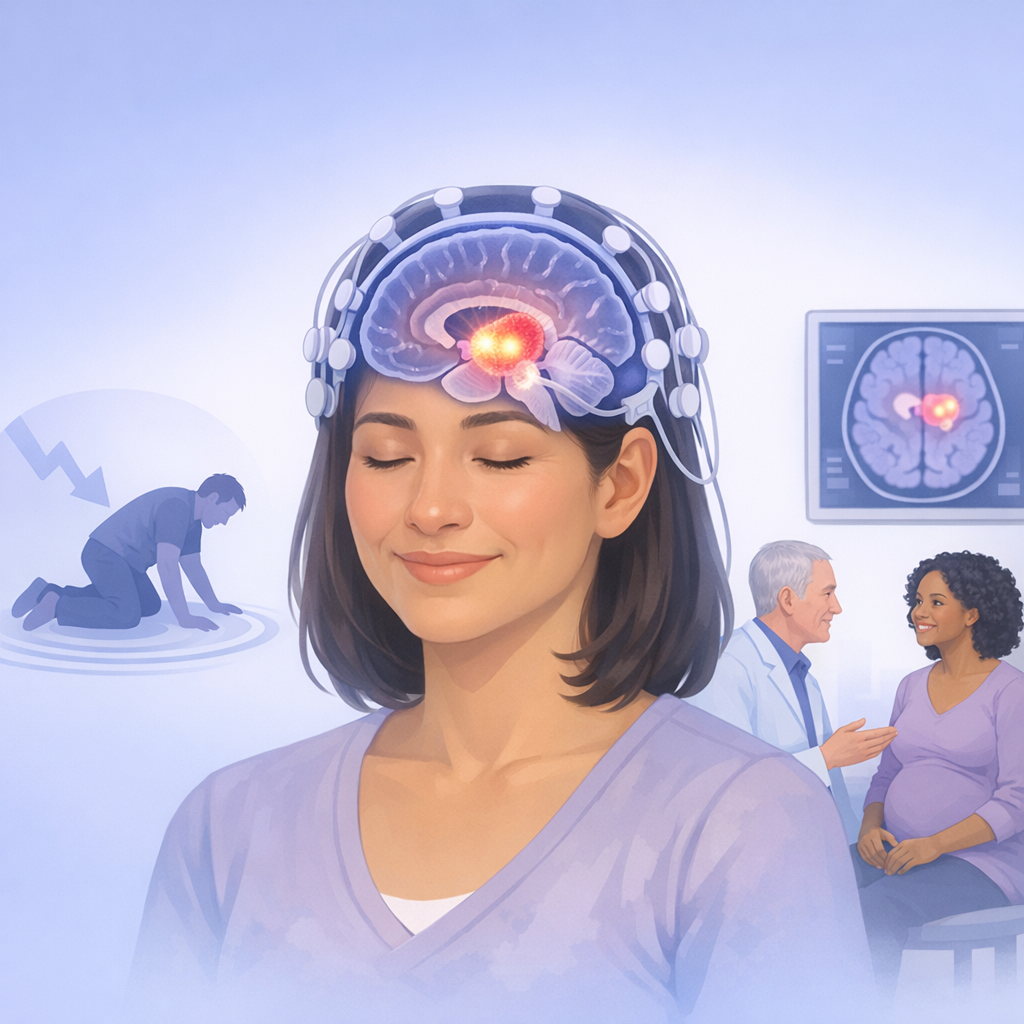
The study looked at a 3-year-old boy with myoclonic-atonic seizures, which are a type of seizure that causes sudden loss of muscle tone and brief muscle jerks. The researchers used a special brain scan called ECD-SPECT to observe changes in blood flow in the boy's brain during and between seizures.
The boy had a history of seizures that were not controlled by common medications. He experienced up to 40 seizures each day, and the study aimed to understand the brain changes associated with these seizures and how treatment affected them.
What they found
The study found that during seizures, there was increased blood flow in certain areas of the brain, but decreased blood flow in both thalami. After treatment with adrenocorticotropic hormone, the blood flow changes improved, suggesting that the treatment may have been effective.
Limits of the evidence
This study is based on a single case, so it cannot confirm that the findings apply to all children with myoclonic-atonic seizures. More research is needed to explore these results in larger groups of patients.
For families and caregivers
This information may help families understand how certain treatments can affect brain function in children with myoclonic-atonic seizures. It also highlights the importance of monitoring brain activity and blood flow in managing epilepsy.
What to watch next
Future studies could look at more patients to see if these findings are consistent across different cases.
Terms in this summary
- myoclonic-atonic seizures
- Seizures that involve sudden muscle jerks and loss of muscle tone.
- ECD-SPECT
- A type of brain scan that shows blood flow in the brain.
- thalamus
- A part of the brain that helps process and relay information.
- adrenocorticotropic hormone
- A hormone used in treatment that can help control seizures.
Free: Seizure First Aid Quick Guide (PDF)
Plus one plain-language weekly digest of new epilepsy research.
Unsubscribe anytime. No medical advice.