Virtual Brain Models May Help Predict VNS Response
Source: Neuromodulation : journal of the International Neuromodulation Society
Summary
What was studied
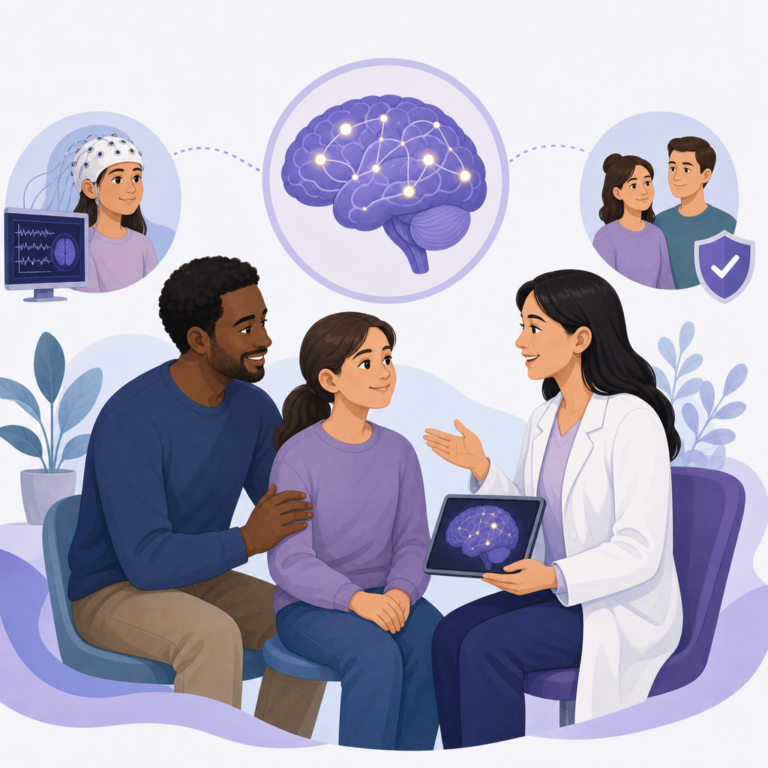
This study looked at how well a computer model called The Virtual Brain (TVB) can predict how children with drug-resistant epilepsy (DRE) will respond to vagus nerve stimulation (VNS). It involved 38 children who were about to receive VNS therapy, with 16 of them responding well to the treatment and 22 not responding.
The researchers used brain imaging data to create personalized models of each child's brain. They compared the brain activity patterns of those who responded to VNS with those who did not, focusing on specific brain regions involved in the treatment.
What they found
The study found that children who did not respond to VNS had less predictable brain activity compared to those who did respond. Additionally, the responders showed stronger inhibitory signals in key areas of the brain related to the vagus nerve, which may help in understanding who might benefit from VNS.
Limits of the evidence
The study cannot confirm that the TVB model will work for all children with DRE or that the identified brain patterns will always predict VNS outcomes. The sample size was relatively small, and more research is needed to explore these findings further.
For families and caregivers
This research may help families understand that not all children with DRE will respond to VNS in the same way. It suggests that personalized brain models could potentially assist doctors in predicting which children might benefit from this treatment, leading to better treatment decisions.
What to watch next
Future studies with larger groups of children could strengthen these findings and help refine predictions about VNS response.
Terms in this summary
- vagus nerve stimulation (VNS)
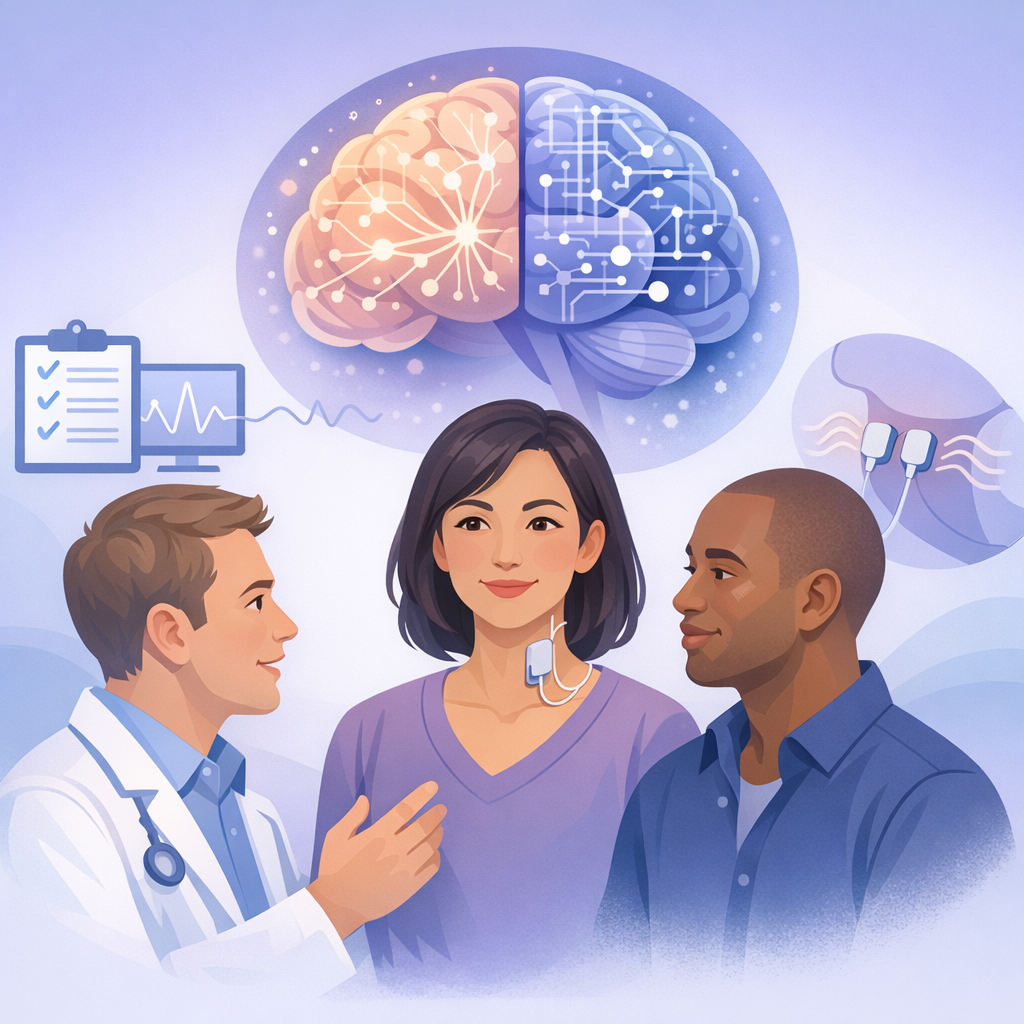
- A treatment that uses electrical impulses to stimulate the vagus nerve, which can help control seizures in some people with epilepsy.
- drug-resistant epilepsy (DRE)
- A type of epilepsy that does not respond well to standard medications.
- functional connectivity
- The way different parts of the brain communicate and work together.
- inhibitory signals
- Signals in the brain that help reduce or control activity in certain areas.
Free: Seizure First Aid Quick Guide (PDF)
Plus one plain-language weekly digest of new epilepsy research.
Unsubscribe anytime. No medical advice.