Surgery Helped Stop Seizures In Children After Brain Injury
Source: Brain sciences
Summary
What was studied
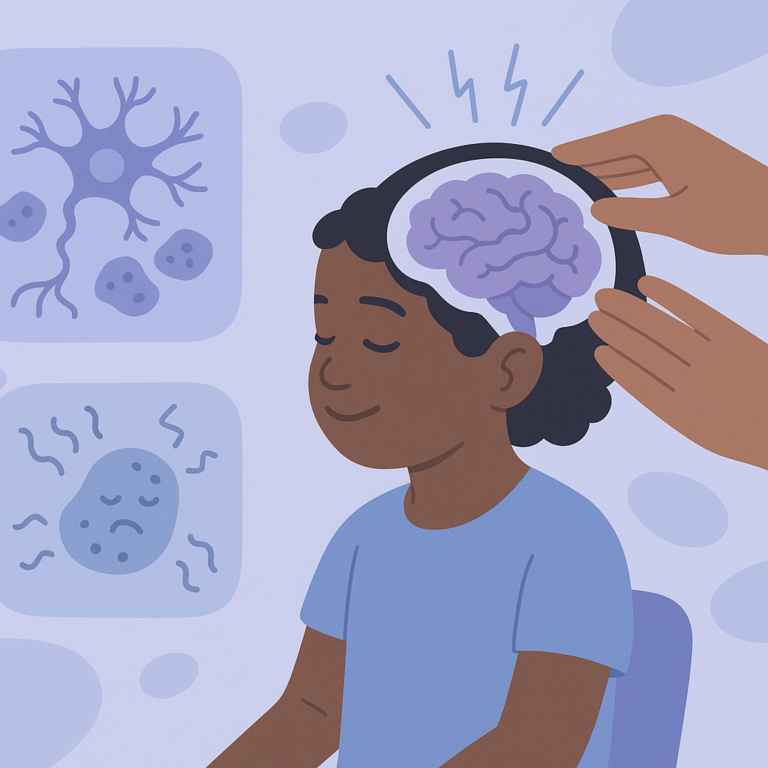
This study looked at hemispherotomy, a surgery that disconnects one side of the brain, in children with drug-resistant epilepsy that developed after a traumatic brain injury. The researchers reviewed 5 children treated at one hospital between 2018 and 2022.
The children were 5.0 to 10.3 years old, with a median age of 8.3 years. Their brain injuries were caused by non-accidental trauma in 3 children and motor vehicle accidents in 2. All had previously undergone craniectomy and later cranioplasty after the injury before later being considered for epilepsy surgery.
What they found
All 5 children had Engel Class Ia seizure outcomes at follow-up. Follow-up lasted a median of 15 months, with a range of 5 to 39 months. The number of anti-seizure medicines also went down, from a median of 5 before surgery to 1 after surgery. No child needed another operation. Neuropsychological outcomes varied by patient; most had a mix of gains and challenges after surgery.
Limits of the evidence
This was a very small, retrospective case series from a single hospital, with only 5 children. Without a comparison group, it cannot show whether the same results would happen in other children with post-traumatic epilepsy or how surgery compares with other options. Follow-up was fairly short for some children, so longer-term seizure outcomes are unclear. The abstract also gives limited detail about how children were selected for surgery and about day-to-day functioning after treatment.
For families and caregivers
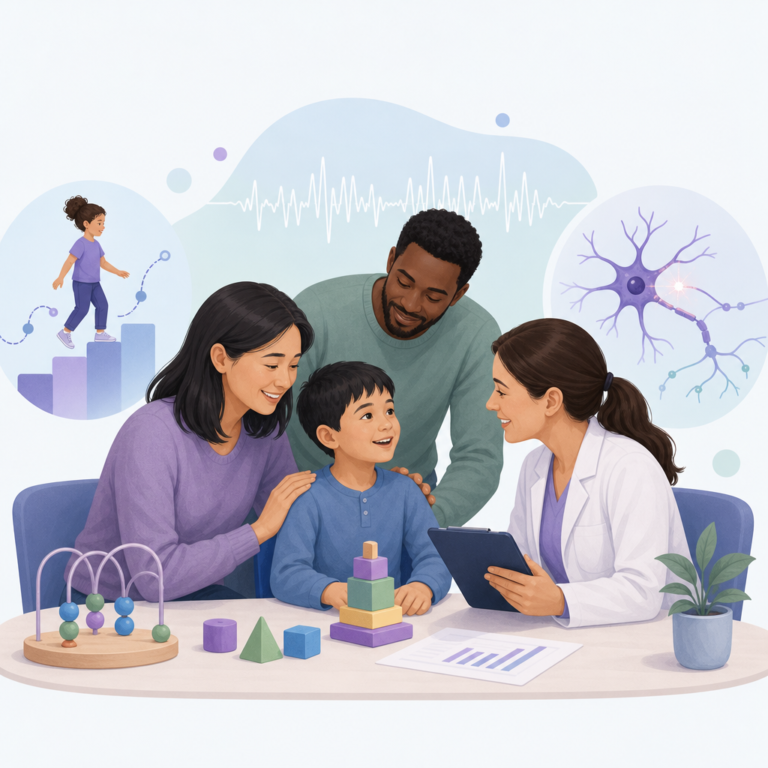
For families of a child with severe epilepsy after a traumatic brain injury affecting one side of the brain, this study suggests that hemispherotomy may be an option in carefully selected cases when medicines have not worked. In this small group, seizure outcomes were very favorable, and children were taking fewer medicines after surgery. Still, this is early evidence from only a few patients, and effects on thinking and behavior varied from child to child.
What to watch next
Larger studies with longer follow-up could help clarify seizure outcomes, medication use, and neuropsychological results after surgery.
Terms in this summary
- hemispherotomy
- A surgery that disconnects one side of the brain to reduce seizures coming from that side.
- drug-resistant epilepsy
- Epilepsy that does not come under good control after trying appropriate seizure medicines.
- post-traumatic epilepsy
- Epilepsy that starts after a brain injury.
- traumatic brain injury
- Damage to the brain caused by an injury, such as from abuse or a car crash.
- retrospective review
- A study that looks back at medical records from patients already treated.
- Engel Class Ia
- A seizure outcome rating used after epilepsy surgery.
- neuropsychological outcomes
- Changes in thinking, learning, memory, behavior, and related skills.
- craniectomy
- A surgery in which part of the skull is removed, often to relieve pressure after a serious brain injury.
Free: Seizure First Aid Quick Guide (PDF)
Plus one plain-language weekly digest of new epilepsy research.
Unsubscribe anytime. No medical advice.