Some Children And Families Improve More After Epilepsy Surgery
Source: Epilepsia
Summary
What was studied
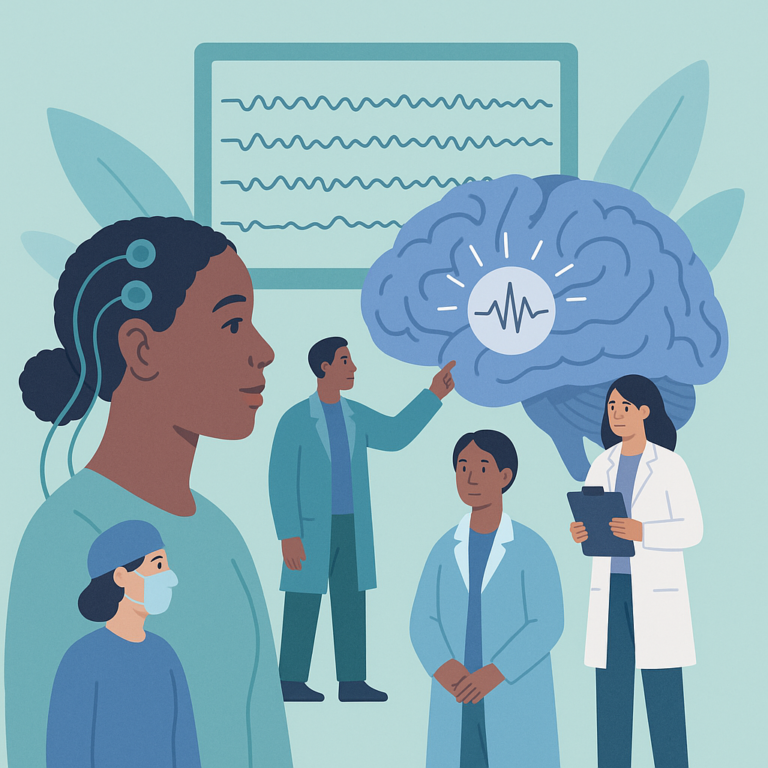
This study looked at children ages 4 to 18 with drug-resistant epilepsy who were being evaluated for epilepsy surgery, along with their parents. It was a prospective cohort study, meaning the researchers followed families over time rather than assigning treatment at random. In total, 105 children had surgery and 197 were treated medically.
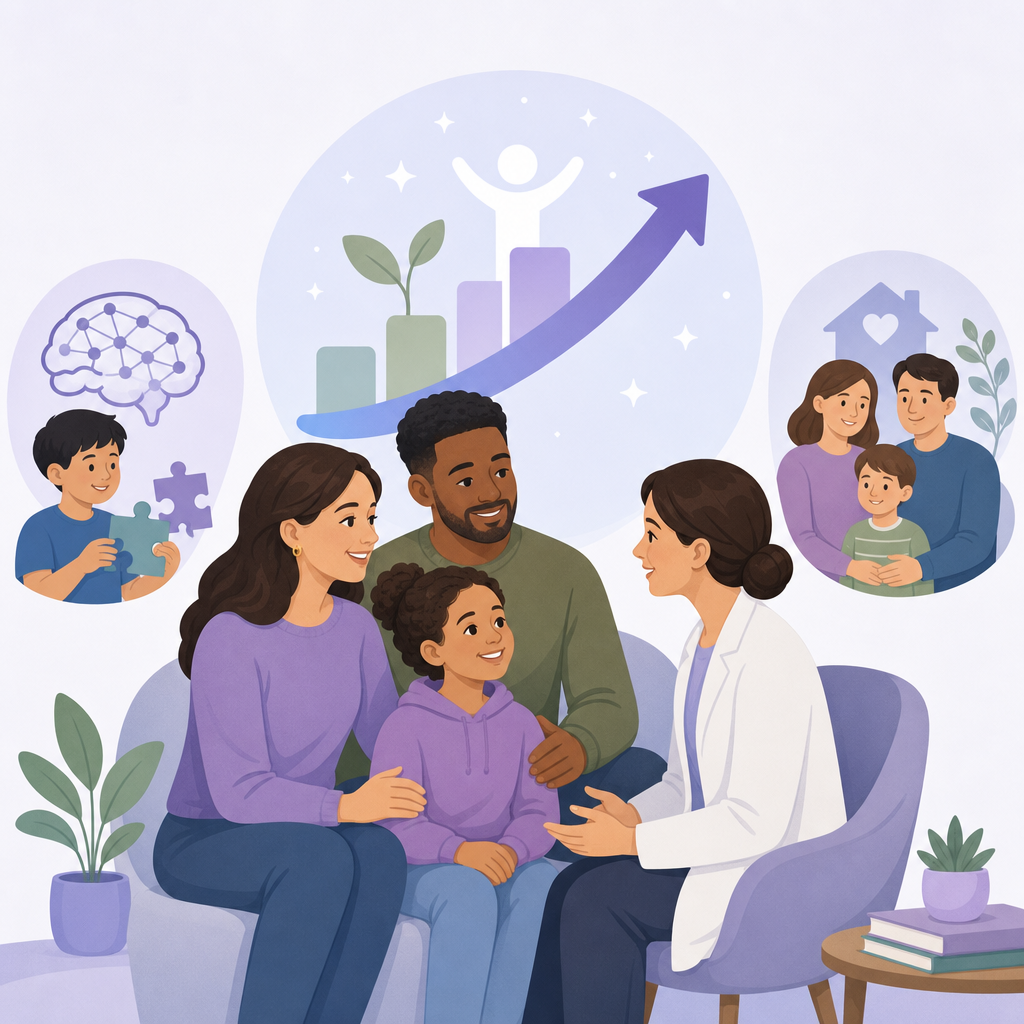
The researchers grouped children and families into different "biopsychosocial phenotypes" based on baseline clinical variables, child characteristics, parent depressive and anxiety symptoms, and family factors such as income, family demands, resources, and satisfaction with family relationships. They then compared how child health-related quality of life, parent depressive and anxiety symptoms, family resources, and satisfaction with family relationships changed over 2 years in the surgery and medical treatment groups.
What they found
The researchers identified 3 main groups: a "psychosocial vulnerability" group with the poorest psychological and social (family) functioning, a "well functioning" group with better clinical and psychosocial functioning, and a "neurological burden" group with the highest seizure burden and intermediate psychosocial functioning.
Over 2 years, the most pronounced improvements in child health-related quality of life, parent emotional functioning, and family functioning were seen in the psychosocial vulnerability group, especially among children who had epilepsy surgery. The well functioning and neurological burden groups showed more limited change across most outcomes in both the surgery and medical treatment groups.
Limits of the evidence
This was not a randomized trial, so it cannot show from the abstract alone that surgery caused the differences in outcomes. Families were not assigned by chance to surgery or medical treatment, so the groups may have differed in important ways at baseline.
The study only included children with drug-resistant epilepsy who were being evaluated for surgery, so the results may not apply to all children with epilepsy. The abstract also does not give detailed numbers for how large the changes were in each group, and it does not report follow-up completion details.
For families and caregivers
This study suggests that children and families with greater psychosocial difficulties may still show substantial improvement over time, and in this study the largest improvements were observed in that group, especially after epilepsy surgery. It also suggests that looking at the whole family situation—not just seizures—may help identify which children and families could benefit from added support or targeted interventions.
For families, this may be a reminder that treatment decisions may relate to quality of life and family well-being as well as seizure outcomes. But this study does not mean surgery is the right choice for every child, and it does not prove that surgery alone led to these changes.
What to watch next
Future studies could report the size of change in each phenotype more fully and further examine differences between families who do and do not have surgery.
Terms in this summary
- drug-resistant epilepsy
- Epilepsy in which seizures continue even after trying appropriate seizure medicines.
- biopsychosocial
- A way of looking at health that includes medical, emotional, and family or social factors.
- phenotype
- A subgroup with a shared pattern of traits or characteristics.
- prospective cohort study
- A study that follows a group of people forward over time to see what happens.
- health-related quality of life
- How a health condition affects daily life, comfort, mood, and functioning.
- neurological burden
- The overall impact of brain-related illness, such as frequent or severe seizures.
Free: Seizure First Aid Quick Guide (PDF)
Plus one plain-language weekly digest of new epilepsy research.
Unsubscribe anytime. No medical advice.