Machine Learning Model Aims to Predict Epilepsy Treatment Success
Source: Frontiers in neurology
Summary
This study focused on children with drug-resistant epilepsy, which means their seizures do not respond well to standard medications. Researchers looked at 215 patients from two hospitals in Jakarta, Indonesia. They used various methods, including brain scans and EEG tests, to gather information about these patients and then applied machine learning techniques to analyze the data.
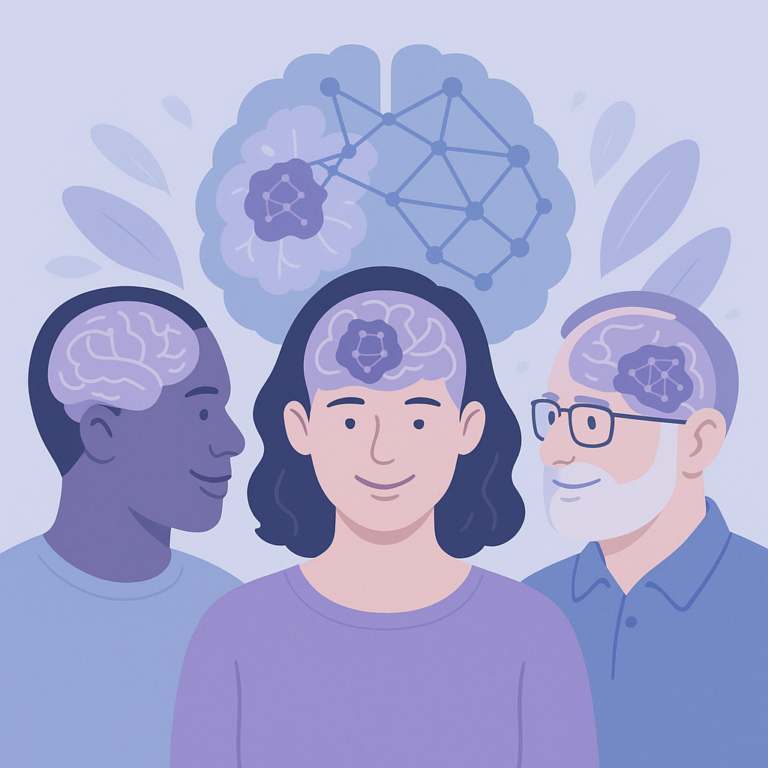
The key finding of the study was the development of a machine learning model that can help predict how well different treatments might work for these children. By analyzing clinical data, EEG results, and MRI scans, the model aims to identify which patients are more likely to benefit from specific medications. This could help doctors make better decisions about treatment plans and adjust them more quickly if needed.
This research is important because it could lead to more effective treatment strategies for children with drug-resistant epilepsy, improving their quality of life. However, the study has limitations, such as being conducted in a specific region and involving a relatively small group of patients. More research is needed to confirm these findings and see how well the model works in different settings and populations.
Free: Seizure First Aid Quick Guide (PDF)
Plus one plain-language weekly digest of new epilepsy research.
Unsubscribe anytime. No medical advice.