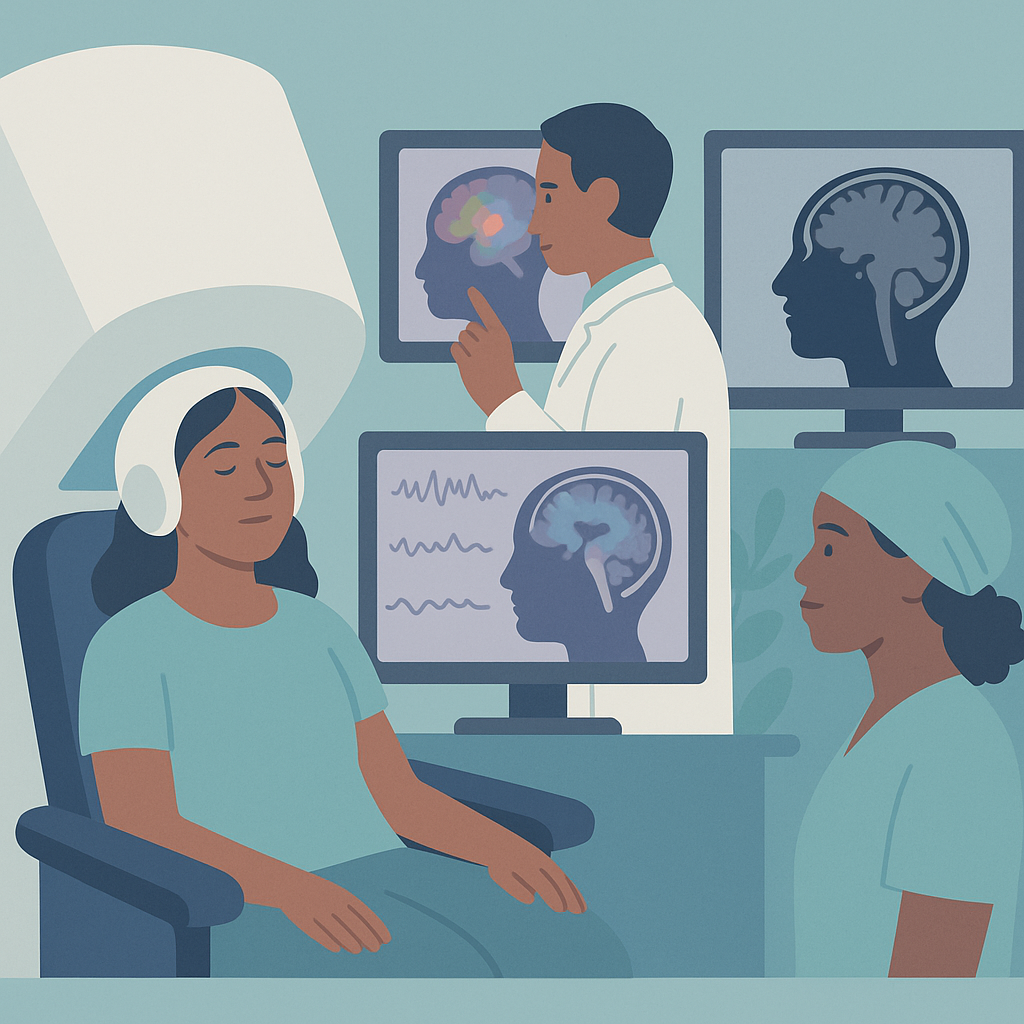
MEG Improves Epilepsy Diagnosis and Surgical Planning
Source: Journal of epilepsy research
Summary
Researchers studied the use of magnetoencephalography (MEG) in evaluating epilepsy, focusing on its effectiveness in helping doctors locate the areas of the brain causing seizures. They reviewed nine studies involving 354 patients with focal epilepsy, which is a type of epilepsy where seizures start in a specific area of the brain. The goal was to see how well MEG works on its own and when combined with other tests, especially in places like South Korea where MEG is not widely available.
The findings showed that MEG alone could accurately locate seizure sources about 70% of the time. However, when MEG was used alongside other imaging techniques, the accuracy and outcomes of surgeries improved significantly. For children with a specific brain condition called focal cortical dysplasia, the success rate of surgeries was between 67% and 87%. This suggests that using MEG in combination with other tests can lead to better results for patients.
This research is important because it highlights the potential benefits of using MEG in epilepsy evaluations, particularly for children and those who do not have clear MRI results. However, there are limitations, such as the fact that only one MEG machine is currently available in South Korea, which makes it hard for many patients to access this technology. Supporting the expansion of MEG services could help improve care for people with epilepsy in the region.
Free: Seizure First Aid Quick Guide (PDF)
Plus one plain-language weekly digest of new epilepsy research.
Unsubscribe anytime. No medical advice.