Understanding PPP2R1A-Related Neurodevelopmental Disorders in Children
⚠️ Infant dosing/safety: medication and diet decisions for infants require individualized medical guidance.
Source: Genes
Summary
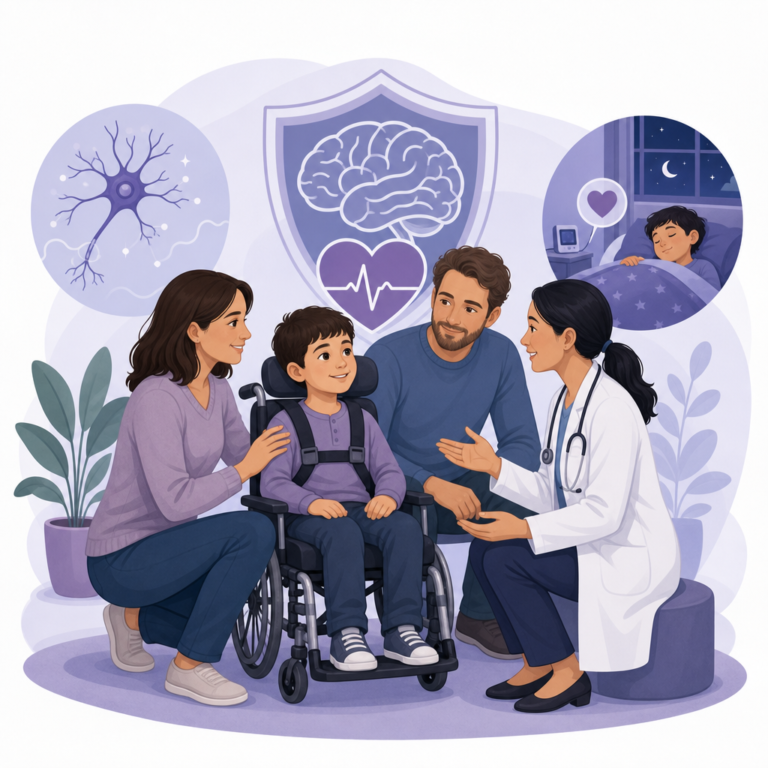
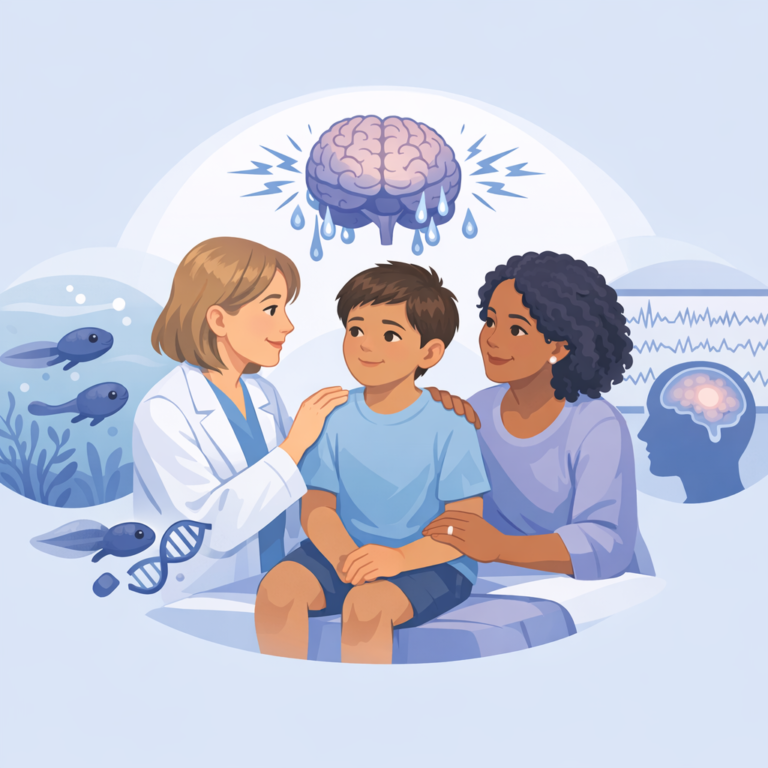
Researchers studied a genetic condition called PPP2R1A-related neurodevelopmental disorders, which can lead to developmental delays, intellectual disabilities, epilepsy, and brain malformations. They reviewed 16 studies that included 60 patients with this condition to better understand its clinical features, the types of genetic changes involved, and how these changes relate to the symptoms experienced by patients.
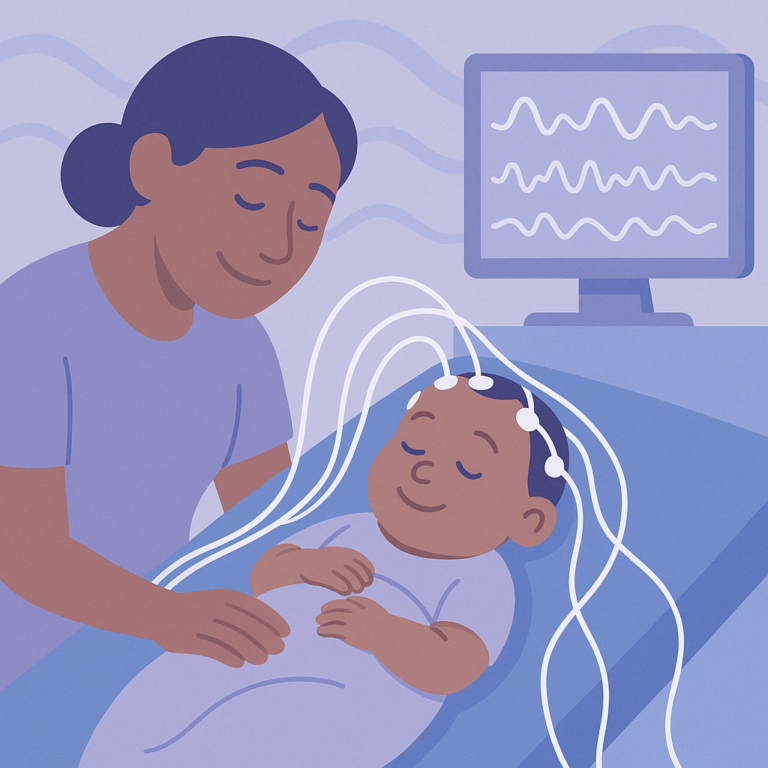
The key findings showed that all patients had developmental delays and intellectual disabilities, while about half experienced epilepsy. Many patients also had structural brain abnormalities, with issues in the corpus callosum and enlarged brain ventricles being the most common. The study identified 26 different genetic changes, with certain changes linked to more severe symptoms and higher risks of mortality, while others were associated with milder outcomes.
This research is important because it helps doctors recognize the wide range of symptoms associated with PPP2R1A-related disorders, which can vary greatly from severe to milder forms. Understanding these genetic changes can lead to earlier diagnoses and better support for families. However, the study is limited by the small number of patients and the variability in how the condition presents, meaning more research is needed to fully understand the disorder and its implications.
Free: Seizure First Aid Quick Guide (PDF)
Plus one plain-language weekly digest of new epilepsy research.
Unsubscribe anytime. No medical advice.