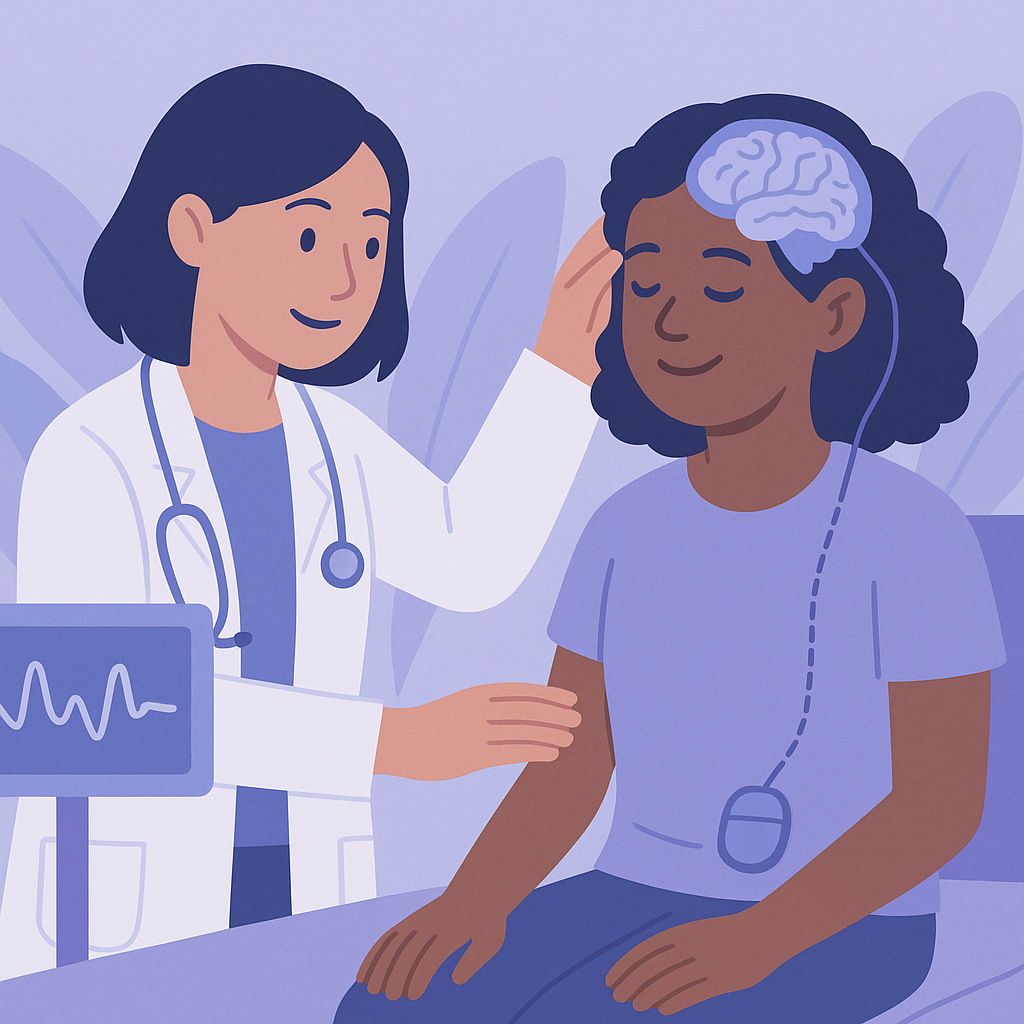
Deep Brain Stimulation Improves Seizures in Teen with Epilepsy
Source: Cureus
Summary
A study was conducted on a 16-year-old patient with drug-resistant epilepsy (DRE), which means their seizures did not respond to standard treatments. The patient received deep brain stimulation (DBS) targeting the hippocampus, a part of the brain involved in memory and seizure activity. The researchers wanted to see how this treatment affected the patient's brain connectivity and seizure frequency over time.
The key findings showed that after starting DBS, the patient's seizures significantly decreased from 12 to 16 daily events to less than one per month. This change indicated a major improvement in their condition. Additionally, brain imaging revealed that the brain's default mode network (DMN) connectivity, which was initially low, improved to resemble that of a healthy individual after one month of stimulation. This suggests that DBS can help restore normal brain activity patterns in patients with DRE.
These findings are important because they provide insight into how DBS might help manage epilepsy by improving brain connectivity and reducing seizures. However, this study is based on just one patient, so more research is needed to confirm these results and understand how long the benefits of DBS last. This study opens the door for future investigations into the effectiveness of DBS for other patients with similar conditions.
Free: Seizure First Aid Quick Guide (PDF)
Plus one plain-language weekly digest of new epilepsy research.
Unsubscribe anytime. No medical advice.