Deep Brain Stimulation Safe for Memory in Epilepsy Patients
Source: Epilepsia
Summary
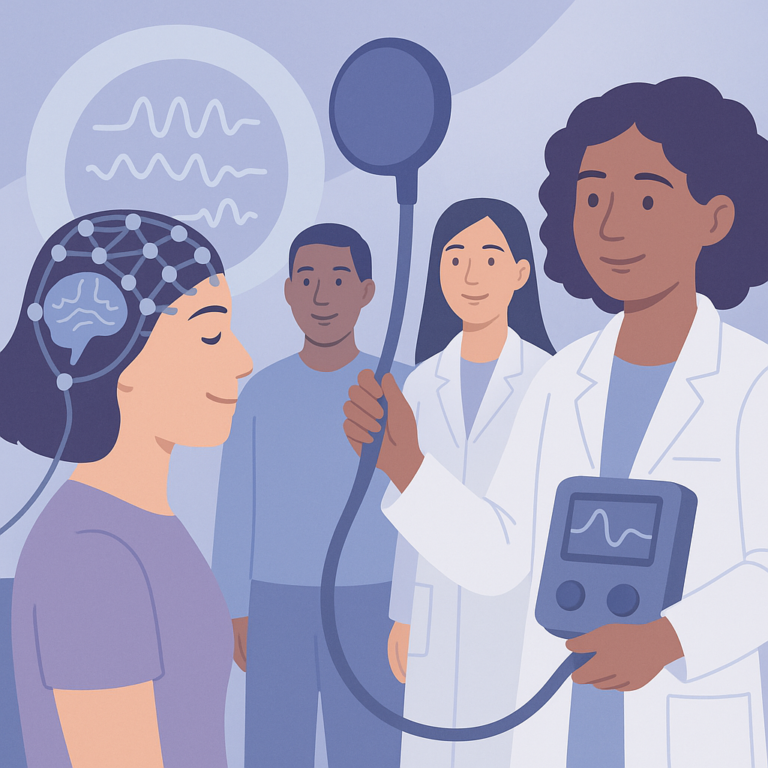
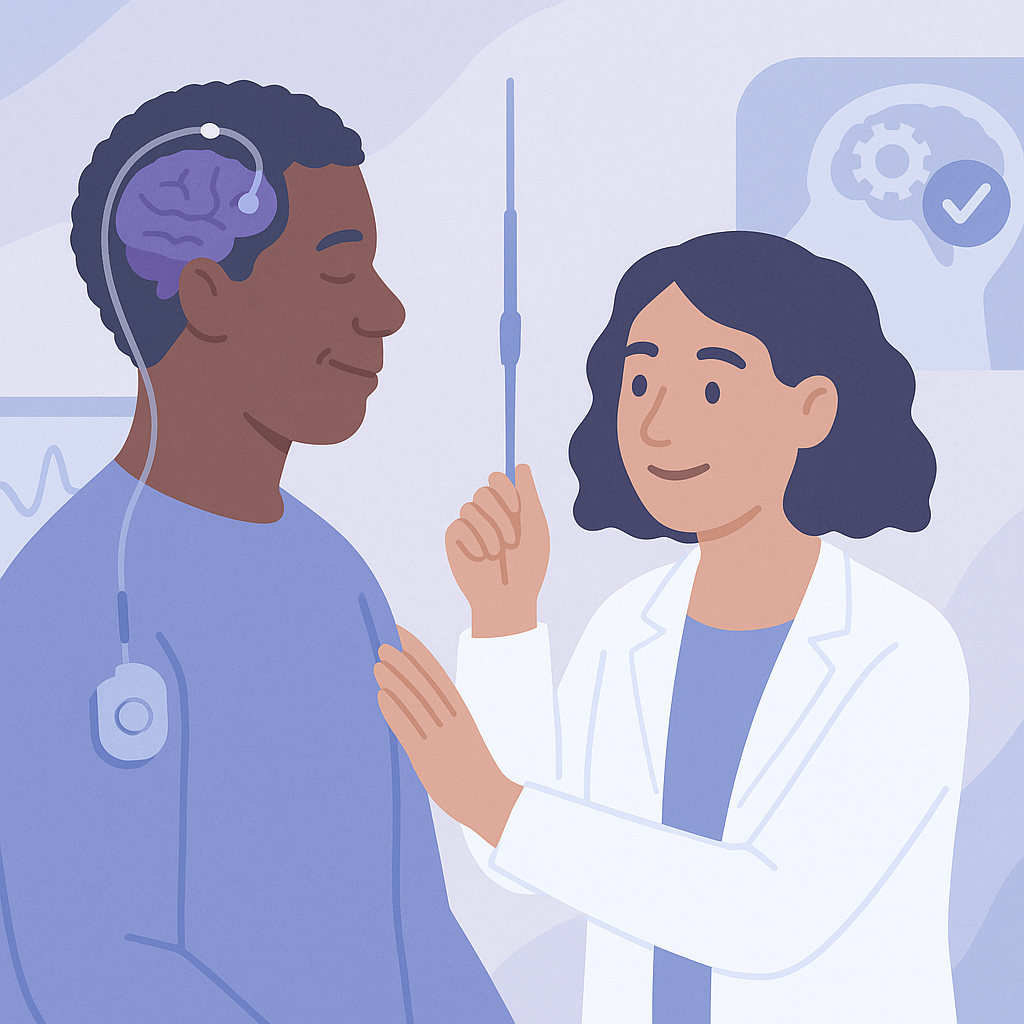
Researchers studied the effects of a treatment called continuous hippocampal deep brain stimulation (Hip-DBS) on memory and cognitive function in patients with drug-resistant temporal lobe epilepsy (TLE). The study involved nine patients, mostly in their late 30s, who were not candidates for surgery to remove the part of the brain causing their seizures. The patients underwent various tests to assess their cognitive abilities before and after receiving the treatment over a follow-up period of about five and a half years.
The key findings showed that all patients experienced a significant reduction in seizures, with four becoming completely seizure-free and five seeing their seizures reduced by more than 80%. Importantly, the patients did not show any decline in their cognitive abilities or memory after the treatment. One patient, who had a history of depression, did experience some cognitive decline, but this was linked to her mental health rather than the stimulation itself. After receiving treatment for her depression, her cognitive function stabilized.
These findings are important because they suggest that Hip-DBS can be a safe and effective option for patients with TLE who cannot have surgery, helping to control seizures without harming memory or cognitive skills. However, the study had a small number of participants, so more research with larger groups is needed to confirm these results and improve treatment methods. Additionally, careful monitoring of mental health is essential for achieving the best outcomes.
Free: Seizure First Aid Quick Guide (PDF)
Plus one plain-language weekly digest of new epilepsy research.
Unsubscribe anytime. No medical advice.