Telecoaching Can Boost Activity and Well-Being for People with Epilepsy
Source: Epilepsy & behavior : E&B
Summary
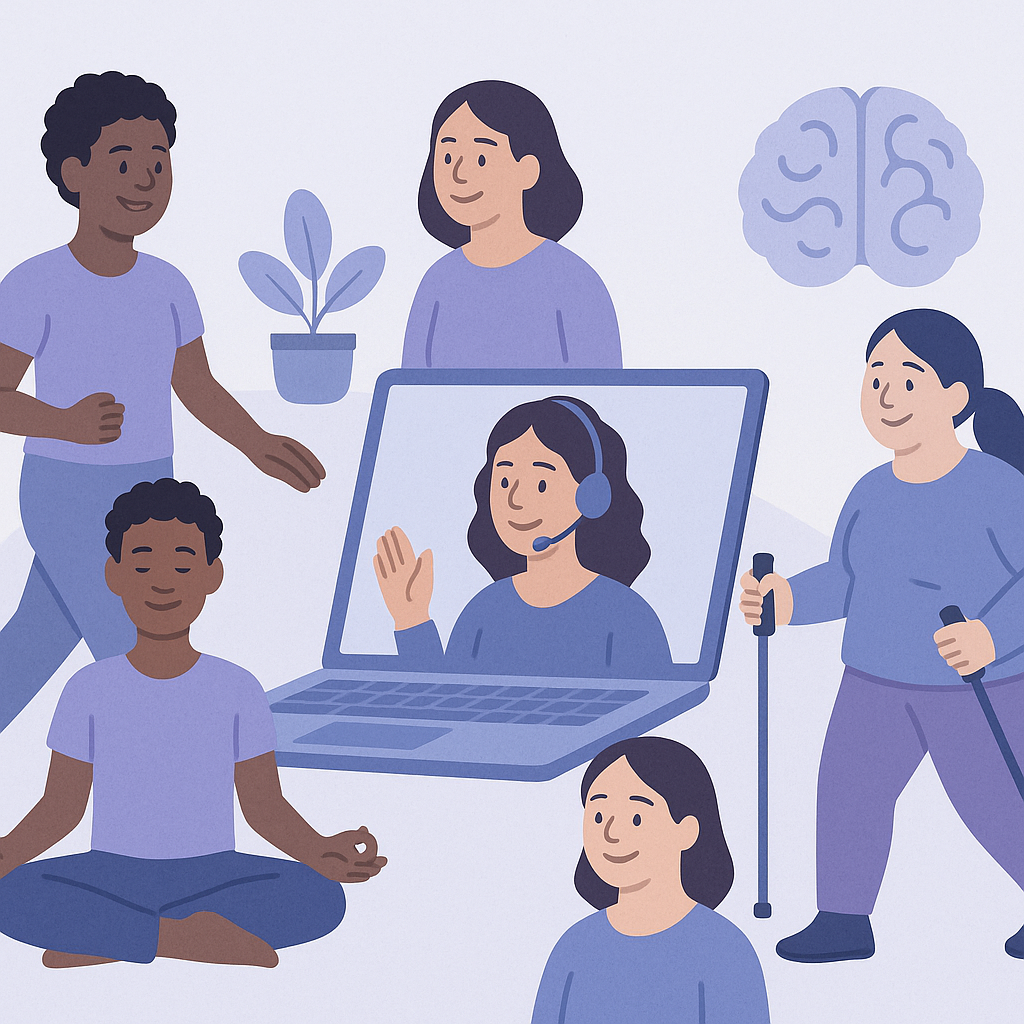
Researchers studied how telecoaching (TC) can help people with epilepsy become more physically active and improve their quality of life. They looked at seven studies involving 342 participants who took part in different exercise programs delivered through digital platforms. These programs included activities like aerobic exercises, resistance training, and flexibility workouts, all designed to be done remotely.
The key findings showed that telecoaching is generally safe and can help people with epilepsy increase their physical fitness and improve their mental well-being. Participants, especially children, seemed to benefit from these programs, as they were able to engage in physical activities despite common barriers like fear of seizures and lack of access to facilities. However, the studies varied in quality and size, making it hard to draw strong conclusions about the overall effectiveness of telecoaching on seizure control.
This research is important because it suggests that digital health tools like telecoaching could help people with epilepsy lead more active lives, which may improve their overall health and happiness. However, the limited number of studies and differences between them mean that more research is needed to confirm these findings and develop standardized programs. Future studies should focus on long-term effects and larger groups to better understand how telecoaching can benefit those with epilepsy.
Free: Seizure First Aid Quick Guide (PDF)
Plus one plain-language weekly digest of new epilepsy research.
Unsubscribe anytime. No medical advice.