KCNH Mutations Linked to Epilepsy and Developmental Disorders
Source: Molecular brain
Summary
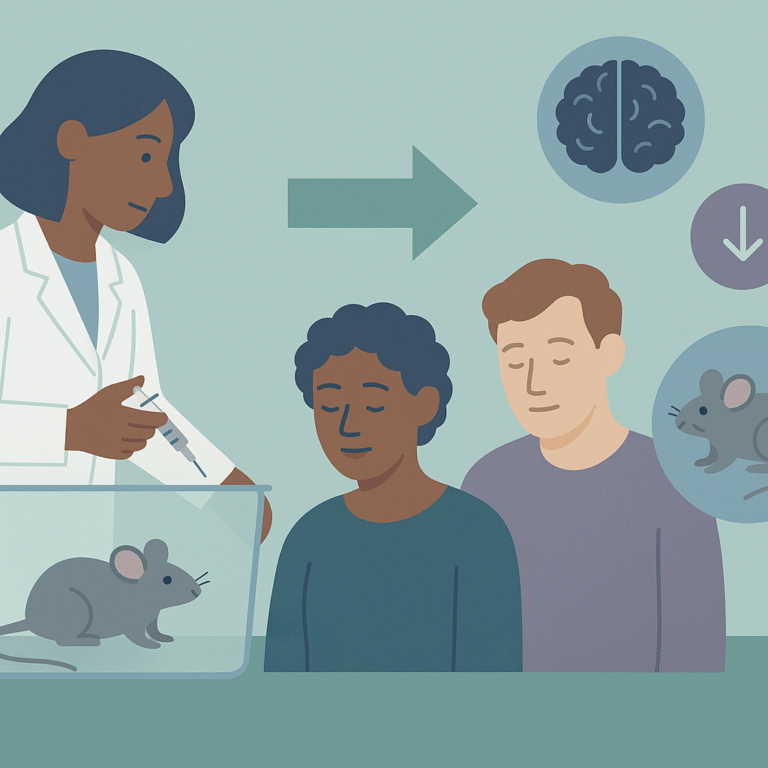
Researchers studied how certain genetic mutations in two proteins, KCNH1 and KCNH5, are linked to epilepsy and developmental disorders. They focused on specific mutations called gain-of-function (GoF) mutations, which can change how these proteins work. The study involved testing these mutations in a type of human cell line to see how they affected the function of potassium channels, which are important for sending electrical signals in the brain.
The key findings showed that the specific mutations in KCNH1 and KCNH5 did not work properly on their own to create functional potassium channels. However, when these mutated proteins were combined with normal versions of the same proteins, they changed how the channels responded to electrical signals. This suggests that the mutations can still have an effect when they interact with normal proteins, which may help explain some of the symptoms seen in people with these mutations.
Understanding these interactions is important because it can help doctors better interpret the symptoms of patients with these genetic mutations. However, the study has limitations, as it was conducted in a lab setting and may not fully represent how these mutations behave in the human brain. More research is needed to explore the real-life implications of these findings for individuals with epilepsy and related disorders.
Free: Seizure First Aid Quick Guide (PDF)
Plus one plain-language weekly digest of new epilepsy research.
Unsubscribe anytime. No medical advice.