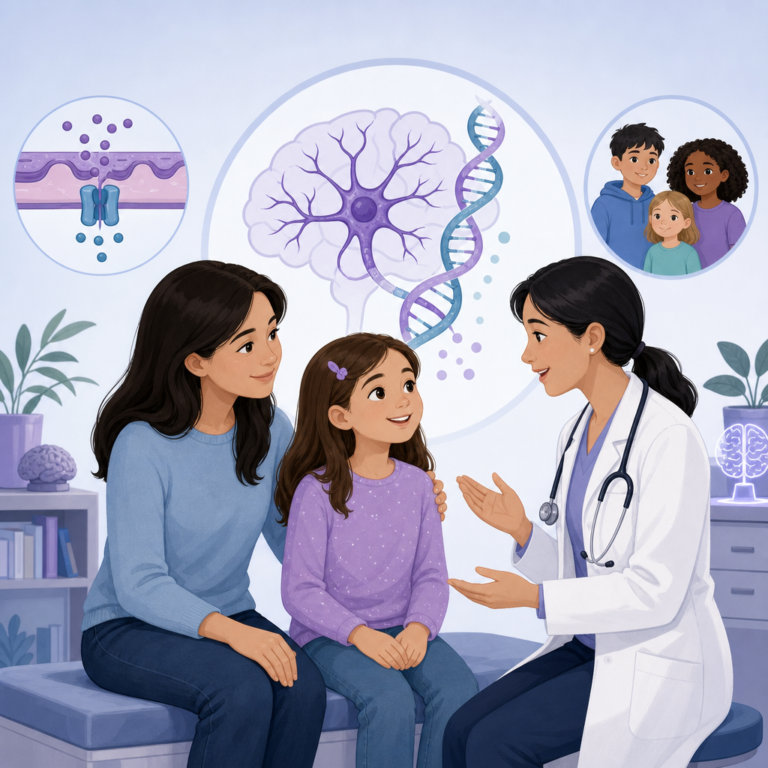
Long-Term Effects of Infantile Epileptic Spasms in Children
⚠️ Infant dosing/safety: medication and diet decisions for infants require individualized medical guidance.
Source: Clinical and experimental pediatrics
Summary
This study looked at the long-term effects of infantile epileptic spasms syndrome (IESS) in children in Korea. Researchers followed 378 infants diagnosed with IESS from 1994 to 2021, collecting information about their medical history, treatments, and outcomes over an average of nearly 8 years. The study aimed to understand how different management approaches affected the children's epilepsy and overall development.
The findings showed that many children with IESS continued to face challenges as they grew up. About 90% of the children had intellectual disabilities, and nearly a third experienced drug-resistant epilepsy, meaning their seizures were hard to control with medication. Most of the children were treated with a medication called vigabatrin, which was commonly used, but many still needed ongoing support and special education services.
These results highlight the serious impact of IESS on children's lives and the importance of early diagnosis and treatment. The study suggests that better guidelines for diagnosing and managing IESS could help improve outcomes for affected children. However, since this was a retrospective study, it relies on past records, and the findings may not apply to all children with IESS or in different countries.
Free: Seizure First Aid Quick Guide (PDF)
Plus one plain-language weekly digest of new epilepsy research.
Unsubscribe anytime. No medical advice.