Brain Connectivity May Predict VNS Success in Children with Epilepsy
Source: Neurology
Summary
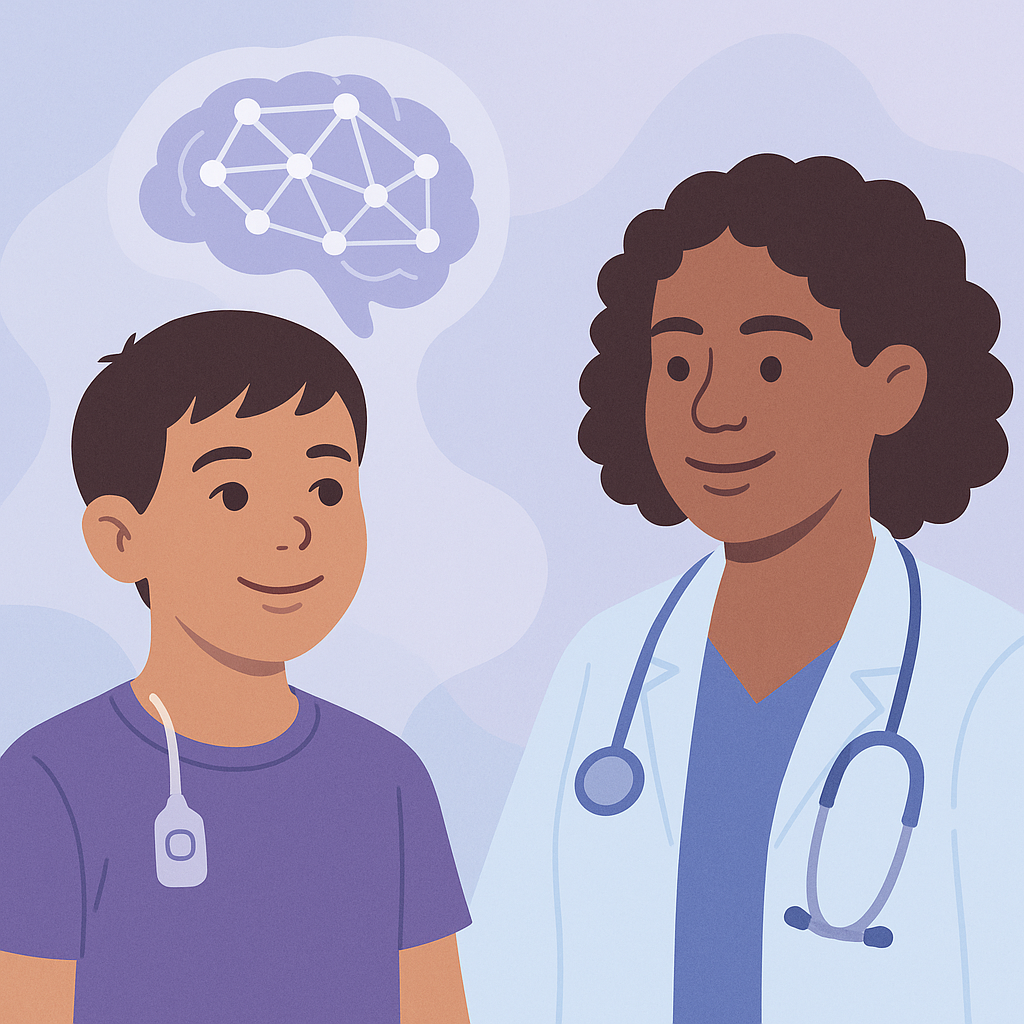
Researchers studied how brain activity patterns might predict whether children with drug-resistant focal epilepsy would benefit from vagus nerve stimulation (VNS), a treatment option for epilepsy. They looked at 65 children who had not responded to other treatments and analyzed brain scans taken before they received VNS. The goal was to see if certain brain connectivity patterns could help identify which children would likely experience a significant reduction in seizures after the treatment.
The study found that about half of the children responded well to VNS, meaning they had at least a 50% reduction in seizures after six months. The researchers discovered that children who responded to VNS had stronger connections in a specific part of the brain, while those who did not respond showed more disruptions in their brain activity patterns after seizure-like events. This suggests that the way different parts of the brain communicate with each other might influence how effective VNS is for treating epilepsy.
Understanding these brain connectivity patterns is important because it could help doctors predict which children are more likely to benefit from VNS, potentially leading to better treatment decisions. However, the study has limitations, such as being retrospective and involving a relatively small group of children. More research is needed to confirm these findings and explore how they can be used in clinical practice.
Free: Seizure First Aid Quick Guide (PDF)
Plus one plain-language weekly digest of new epilepsy research.
Unsubscribe anytime. No medical advice.