Brain Wave Patterns May Predict Treatment Success in Infants
⚠️ Infant dosing/safety: medication and diet decisions for infants require individualized medical guidance.
Source: Epilepsia open
Summary
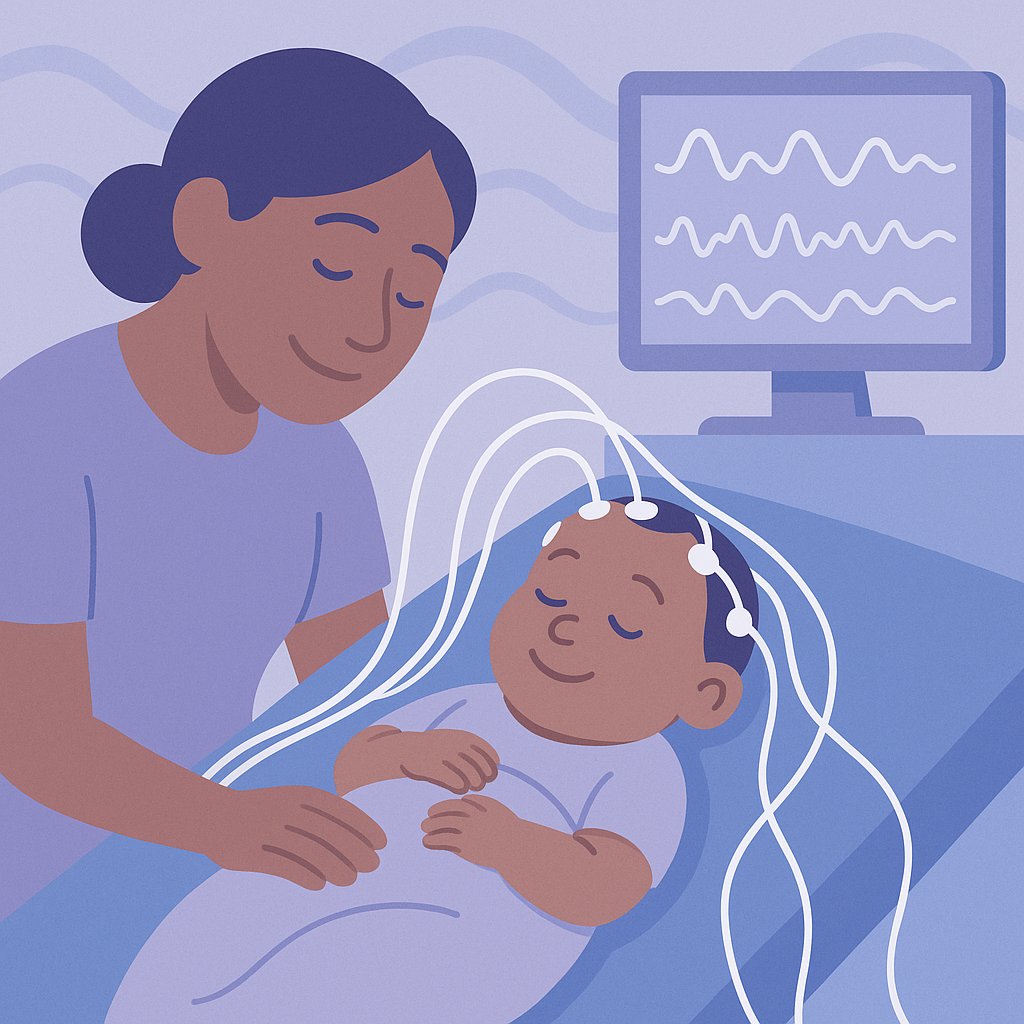
Researchers studied how brain activity patterns in infants with infantile epileptic spasms syndrome (IESS) could help predict their response to treatment. They looked at EEG recordings from 40 infants diagnosed with IESS, comparing their brain wave patterns before and after treatment to those of 20 healthy infants. The infants were divided into two groups: those who responded well to treatment and those who did not.
The key finding was that infants who did not respond to treatment had stronger connections between different types of brain waves before starting medication. In contrast, those who responded to treatment had brain wave patterns more similar to healthy infants. This suggests that measuring the strength of these brain wave connections, known as phase-amplitude coupling (PAC), could help doctors predict which infants are likely to benefit from standard treatments.
This research is important because it could lead to better treatment decisions for infants with IESS, helping doctors identify those who may need more aggressive therapies. However, the study has limitations, such as being based on a small group of patients and using retrospective data, which means it looked back at past records rather than following patients in real-time. More research is needed to confirm these findings and improve treatment strategies for infants with this condition.
Free: Seizure First Aid Quick Guide (PDF)
Plus one plain-language weekly digest of new epilepsy research.
Unsubscribe anytime. No medical advice.