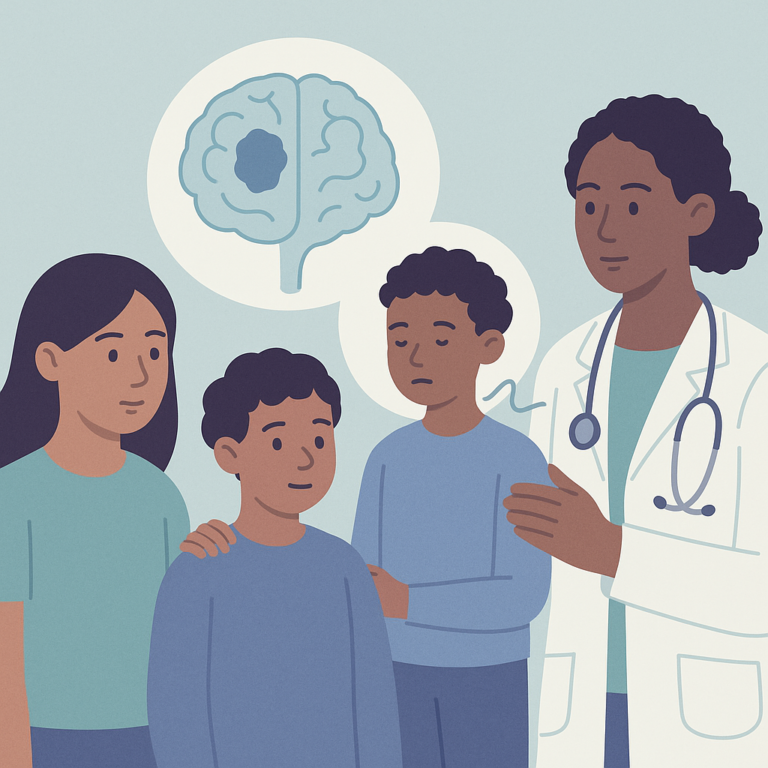
Many People With Epilepsy In Germany Miss Specialist Care
Source: Seizure
Summary
What was studied
This study looked at how people with epilepsy in Germany were treated and referred through the healthcare system. The researchers used German statutory health insurance records from healthcare providers together with retail prescription data. They identified people with epilepsy using ICD-10 diagnosis codes and prescriptions for 13 specific anti-seizure medicines.
It was a population-based, retrospective, cross-sectional analysis, meaning the researchers looked back at existing records rather than testing a treatment. They also identified people with drug-refractory epilepsy based on treatment regimen. Data from individual epilepsy centers were manually collected to validate the national results.
What they found
The researchers estimated that epilepsy affected 0.67% of the German population, with incidence of 0.09% and a female-to-male split of 49% to 51%. They estimated that 36% of people with epilepsy were drug refractory.
They found that 30% of neurologists were nationally available to treat patients outside of hospital, with differences between states. Among people identified as drug refractory, 59% had not accessed an appropriate outpatient center by referral, as recommended by the guidelines. The authors reported persistent under-referral to epilepsy centers and suggested that many patients with complex needs are often managed in primary care rather than reaching more specialized outpatient care.
Limits of the evidence
This study used insurance and prescription records, so it depends on how accurately diagnoses, medicines, and treatment pathways were recorded. The way the researchers identified epilepsy and drug-refractory epilepsy was based on codes, prescription data, and treatment regimen, not direct clinical review for every patient.
Because this was a retrospective, cross-sectional analysis, it cannot show why under-referral happened or what effect referral would have had on outcomes for individual patients. The abstract describes the evidence and referral models as preliminary, and it does not provide detailed patient-level clinical information or full detail on how referral pathways operated in every setting.
For families and caregivers
For families, this study suggests that some people with harder-to-treat epilepsy in Germany may not be reaching specialized epilepsy centers as often as guidelines recommend. Specialty centers may be important for people with more complex epilepsy care needs.
At the same time, this study does not show what happened to each patient or prove that every person not referred received poor care. It mainly points to a possible gap in access to specialist outpatient epilepsy services in Germany.
What to watch next
Useful next studies would track individual patients over time and examine referral pathways and access to epilepsy centers in more detail.
Terms in this summary
- epilepsy
- A brain condition that causes repeated seizures.
- anti-seizure medicines
- Medicines used to prevent or reduce seizures.
- drug-resistant epilepsy
- Epilepsy that remains difficult to control with medicine.
- retrospective study
- A study that looks back at information already collected in the past.
- observational study
- A study that observes what happened in real life without assigning treatments.
- ICD-10 codes
- Standard diagnosis codes used in medical records and billing.
- guidelines
- Recommendations intended to help guide medical care.
- outpatient epilepsy center
- A specialized clinic for epilepsy care that patients visit without staying overnight in the hospital.
Free: Seizure First Aid Quick Guide (PDF)
Plus one plain-language weekly digest of new epilepsy research.
Unsubscribe anytime. No medical advice.