Brain Wave Patterns May Predict Treatment Success in Infants
Researchers studied how brain activity patterns in infants with infantile epileptic spasms syndrome (IESS) could help predict their response to treatment.
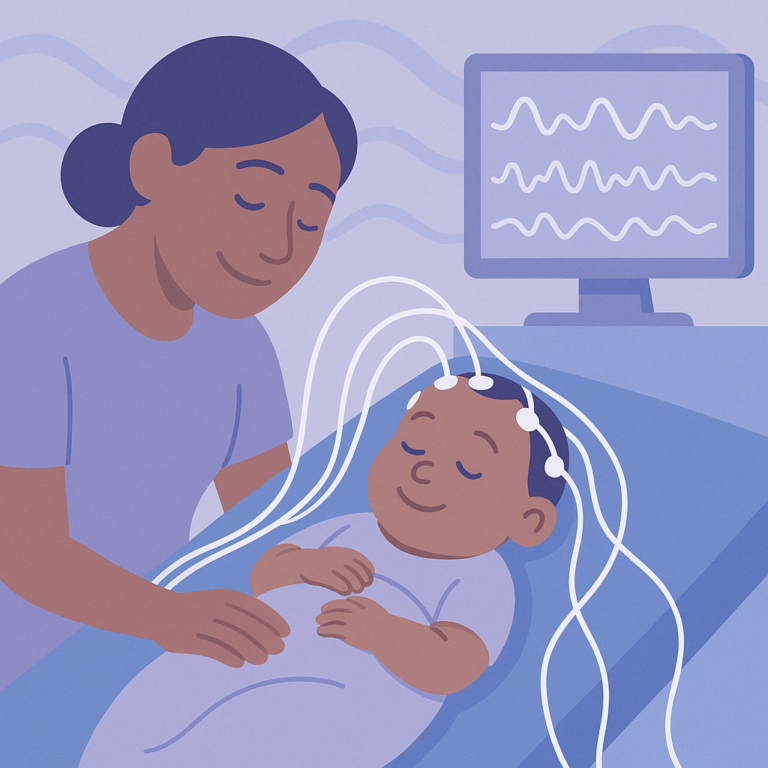
Researchers studied how brain activity patterns in infants with infantile epileptic spasms syndrome (IESS) could help predict their response to treatment.
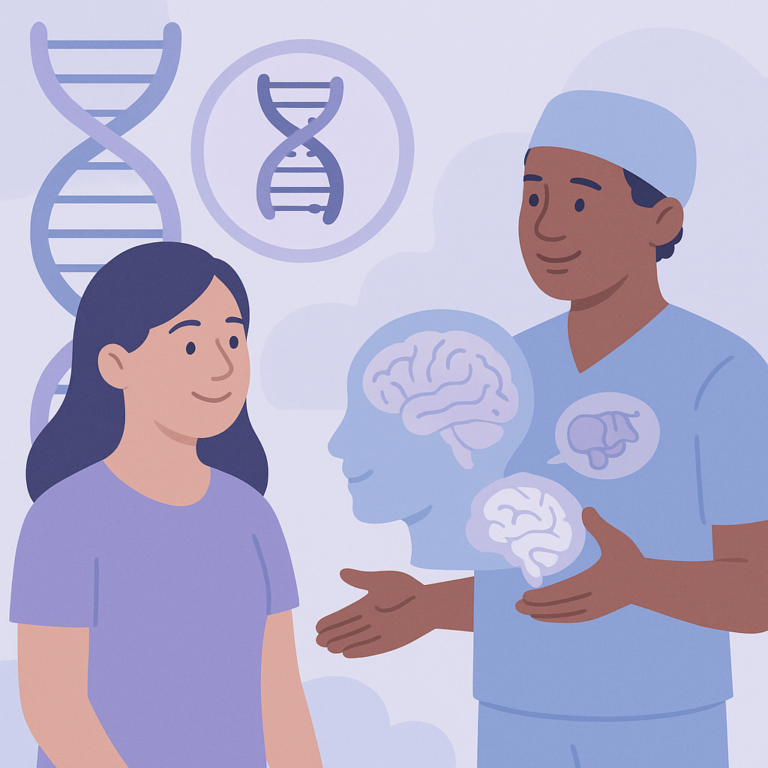
Researchers studied how well epilepsy surgery works for patients with specific genetic conditions that can cause epilepsy.

Researchers studied different types of ketogenic diets to see how they help control seizures in people with epilepsy.
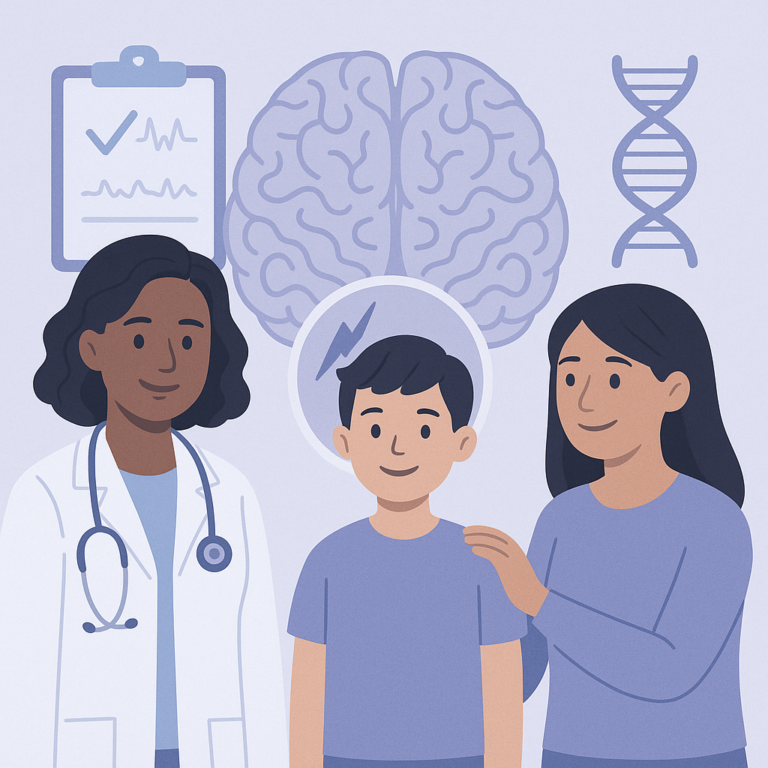
This study looked at epilepsy in children with PTEN Hamartoma Tumor Syndrome (PHTS), a genetic condition caused by a mutation in the PTEN gene.
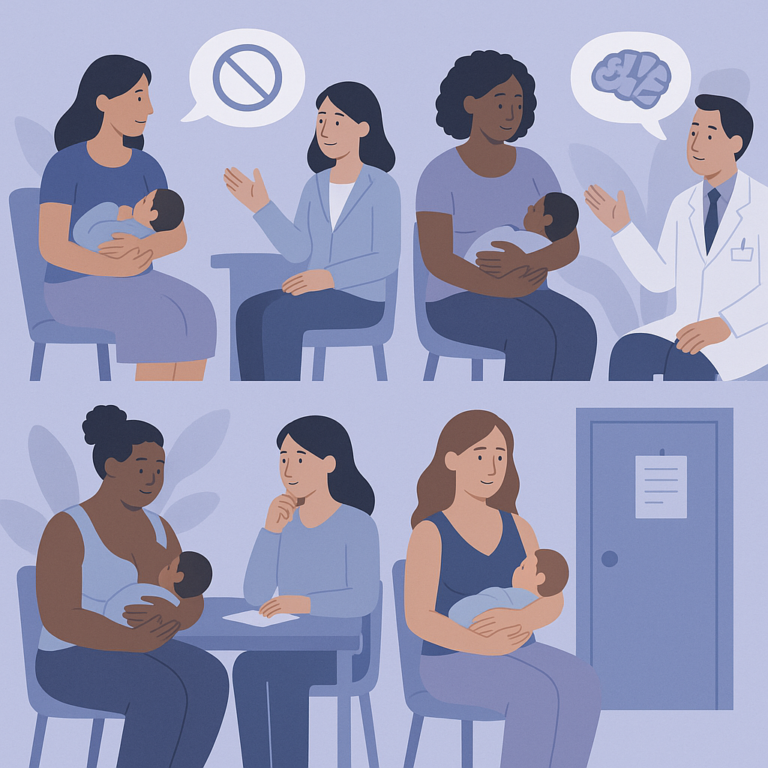
This study looked at the challenges that healthcare providers face when counseling women with epilepsy about breastfeeding.

Researchers studied the long-term safety of stopping antiseizure medications (ASMs) in newborns who had experienced acute provoked seizures.
This study looked at how early clinical signs and EEG (brain wave) patterns relate to the outcomes of children with genetic epilepsies.

Researchers studied surgical treatments for a serious condition called super-refractory status epilepticus (SRSE), which is a prolonged seizure that lasts more than 24 hours and does not respond to standard treatments.

Researchers studied the effectiveness and safety of a medication called perampanel in patients with Lennox-Gastaut syndrome (LGS), a severe form of epilepsy that often starts in childhood.