Deep Brain Stimulation Improves Seizures in Teen with Epilepsy
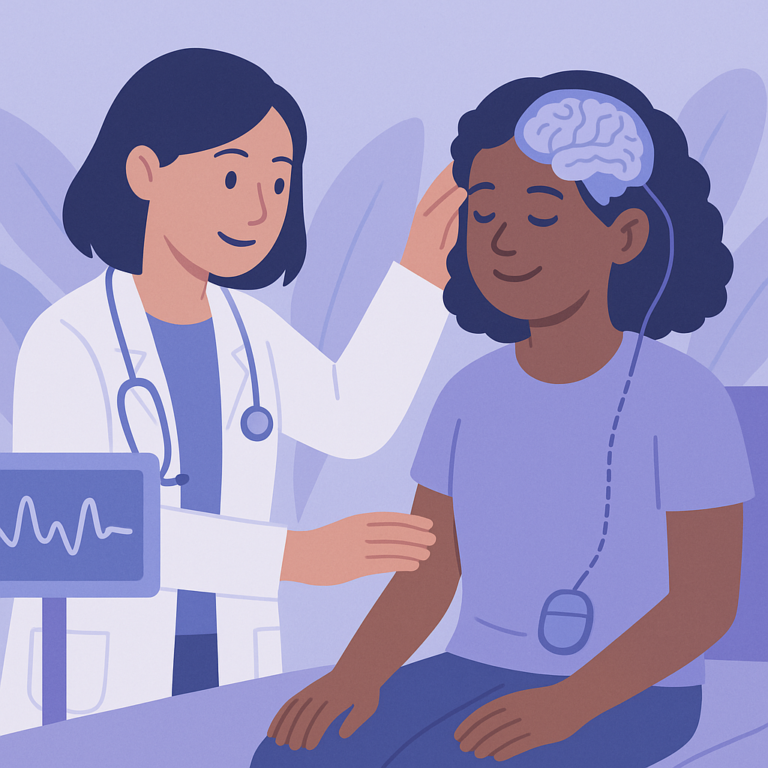
A study was conducted on a 16-year-old patient with drug-resistant epilepsy (DRE), which means their seizures did not respond to standard treatments.
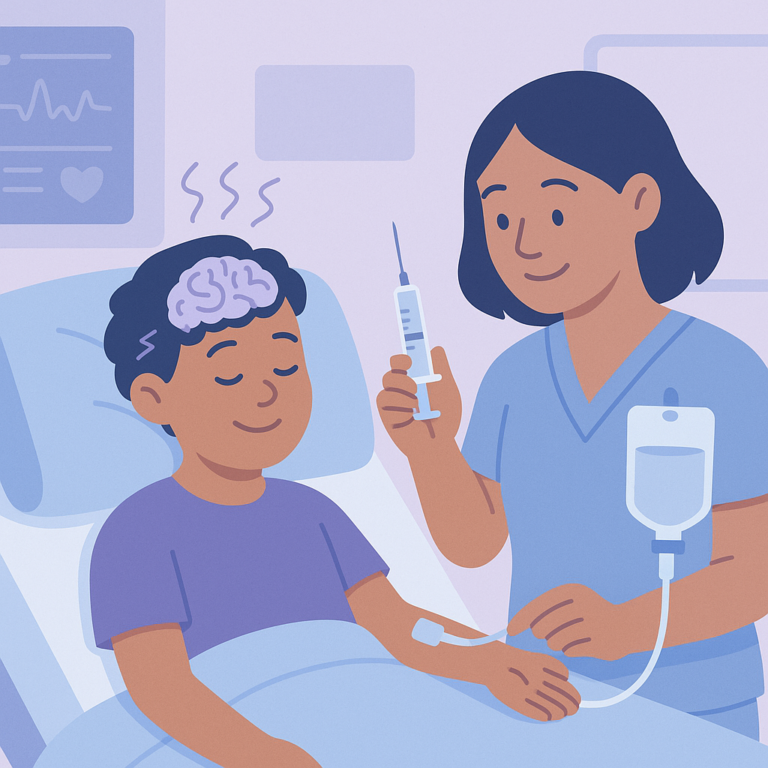
Researchers studied a 5-year-and-11-month-old boy who developed a severe form of epilepsy called febrile infection-related epilepsy syndrome (FIRES) after a fever.
This study looked at how children aged 5 to 6 years who had neonatal seizures (seizures that occur in newborns due to a specific cause) develop over time.
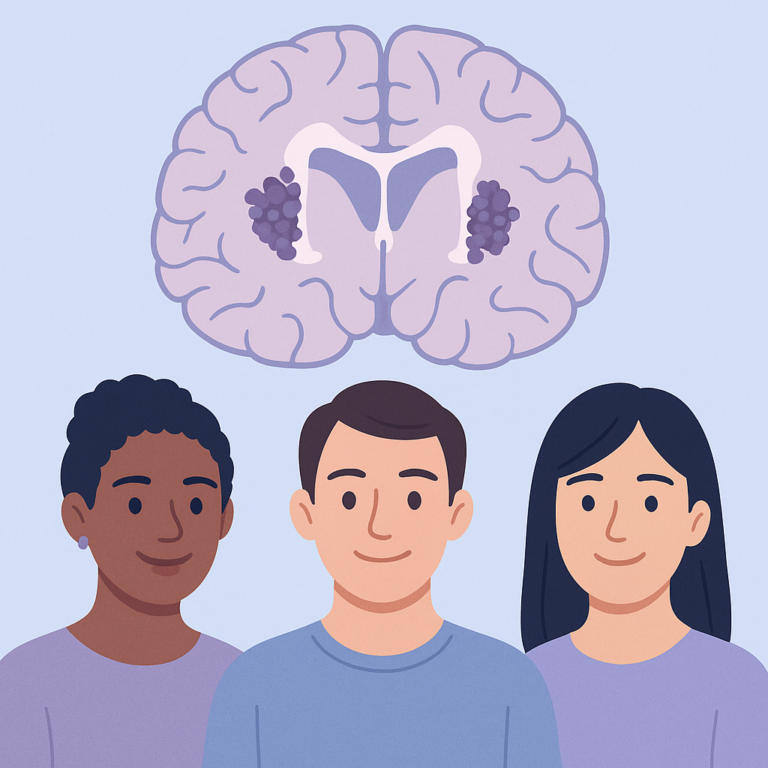
Researchers studied a group of 32 individuals with a specific brain condition called bilateral frontal periventricular nodular heterotopia (PVNH).
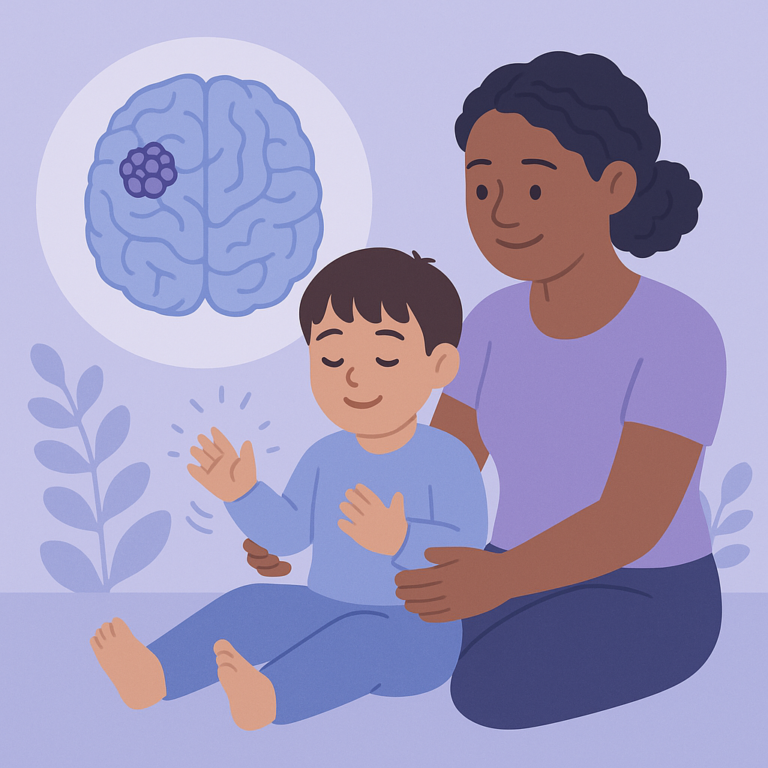
Researchers studied four girls with cerebral cavernous malformations (CCMs) to understand how these brain abnormalities can lead to a specific type of seizure called epileptic spasms.
Researchers studied a rare genetic condition called progressive myoclonic epilepsy (PME) in a 41-year-old woman who experienced various symptoms, including tics, seizures, and mental health issues.
Researchers studied how well different methods predict seizures in people with epilepsy.
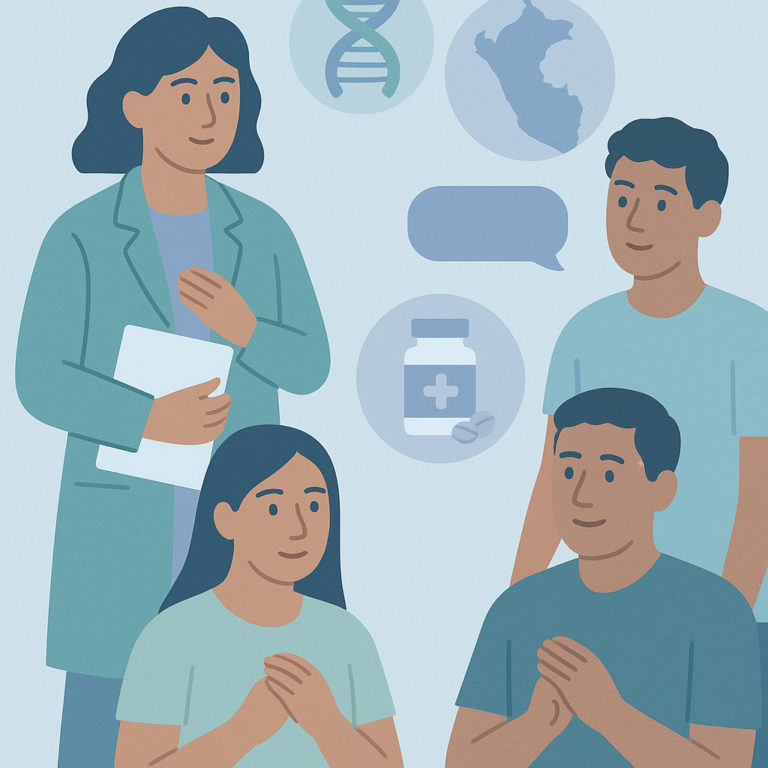
A study was conducted to explore how certain genetic variations affect the way Peruvian patients with epilepsy respond to antiseizure medications.
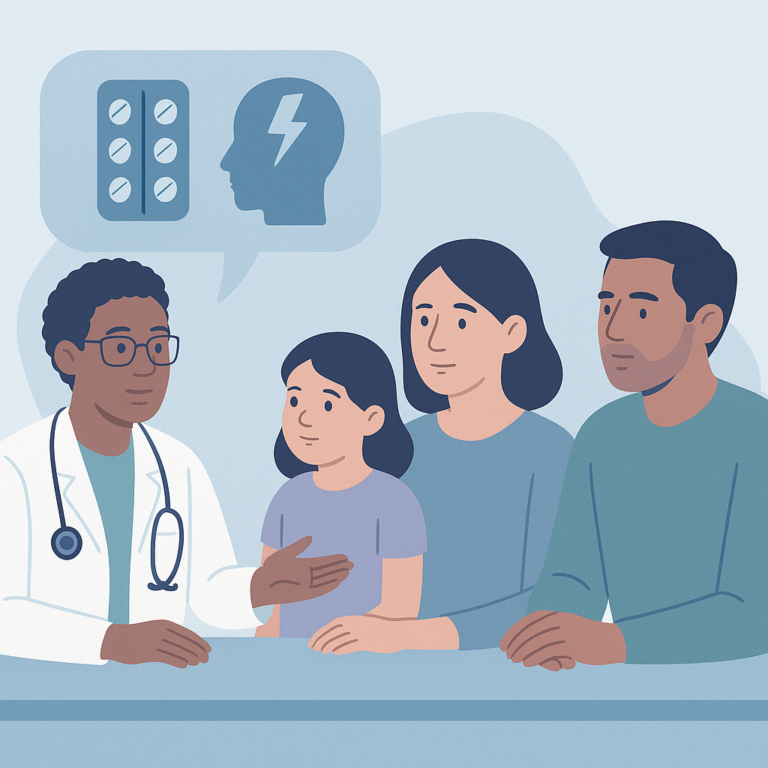
Researchers studied how drug trials for Dravet syndrome, a severe form of epilepsy, are designed and who qualifies to participate in them.