New Methods Improve Epilepsy Surgery Success Through Data Analysis
Researchers studied how to better locate the area in the brain responsible for causing seizures in people with epilepsy, which is crucial for successful epilepsy surgery.
This hub covers epilepsy devices and neuromodulation like VNS, RNS, and DBS, which are treatments that can reduce seizures when meds aren’t enough. Plain-language research summaries plus real-life pros/cons.
Some are used more often in adults, but pediatric use depends on the device, the case, and specialist guidance.
Often gradually. Improvement can build over months as settings are optimized.
Sometimes medication can be reduced, but many people still use meds alongside a device.
Sometimes yes, with device-specific rules. Always check the exact device guidelines first.

Researchers studied how to better locate the area in the brain responsible for causing seizures in people with epilepsy, which is crucial for successful epilepsy surgery.
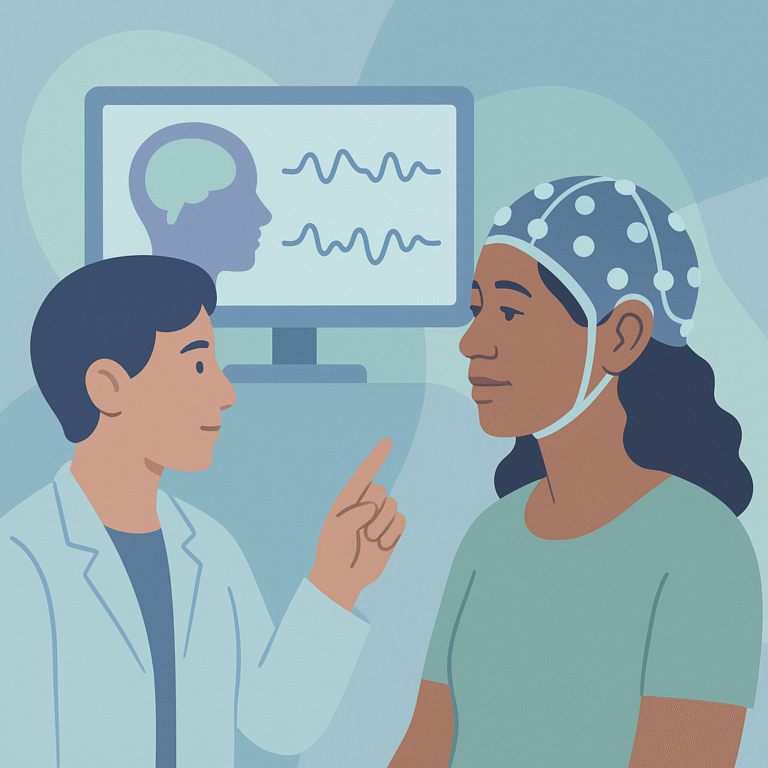
Researchers studied a new method for recognizing seizures using electroencephalogram (EEG) data, which measures electrical activity in the brain.
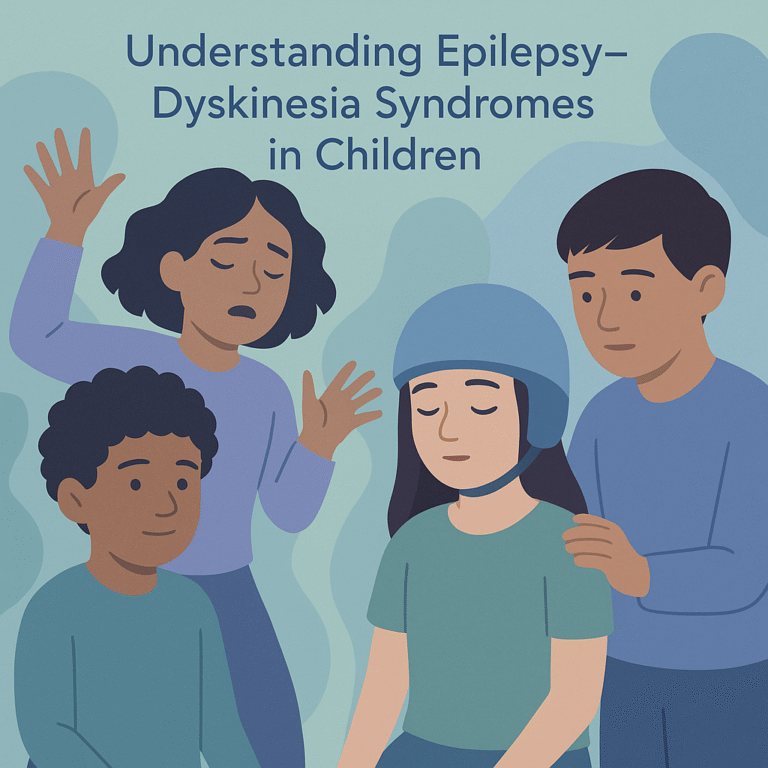
This study looked at epilepsy-dyskinesia syndromes (EDS), which are conditions where people experience both epilepsy and movement disorders.
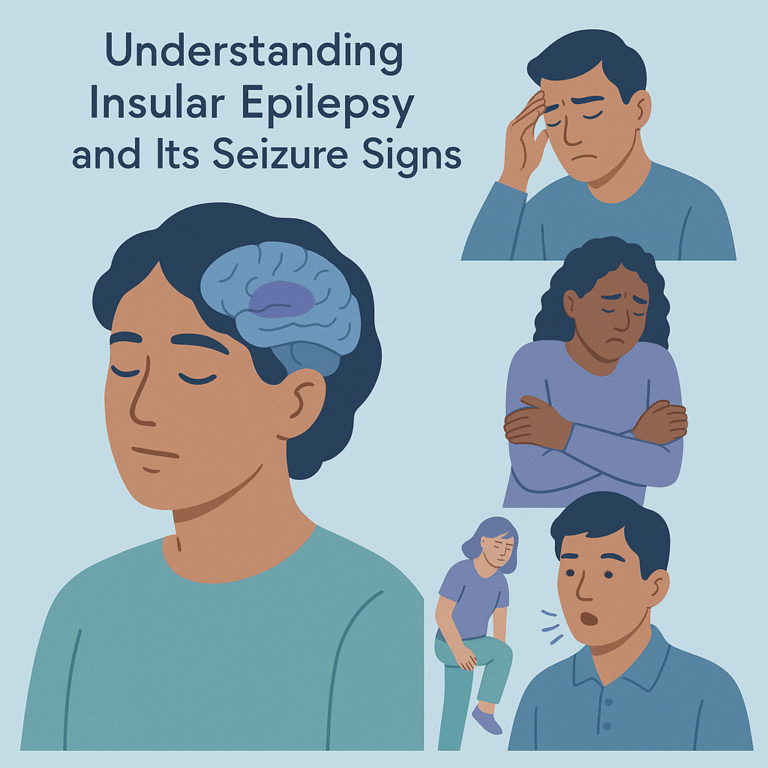
Researchers studied the differences in seizure characteristics between the anterior and posterior parts of the insula in people with insular epilepsy.

Researchers studied the effects of deep brain stimulation (DBS) on children with drug-resistant epilepsy, which means their seizures do not respond to standard medications.
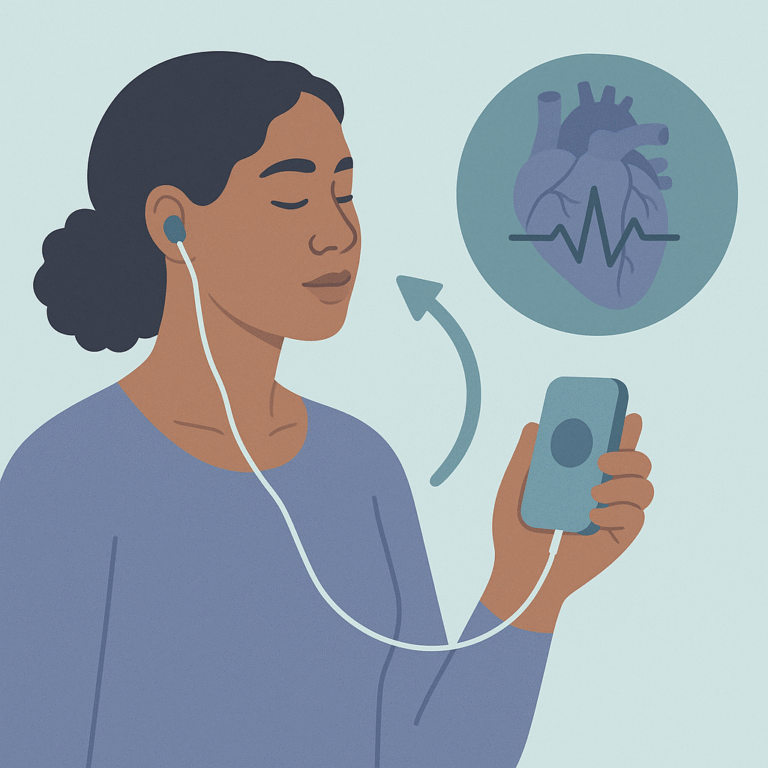
Researchers examined a case involving a 41-year-old man who had epilepsy and was using a vagus nerve stimulation (VNS) device to help manage his seizures.
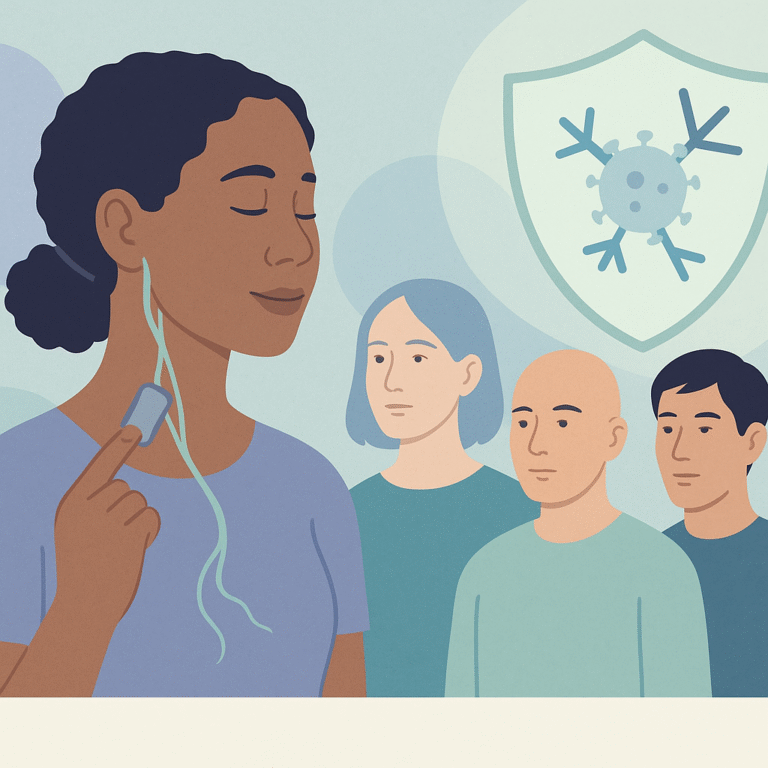
Researchers examined the use of vagus nerve stimulation (VNS) as a treatment for immune diseases, in addition to its established role in managing neurological conditions like epilepsy and depression.
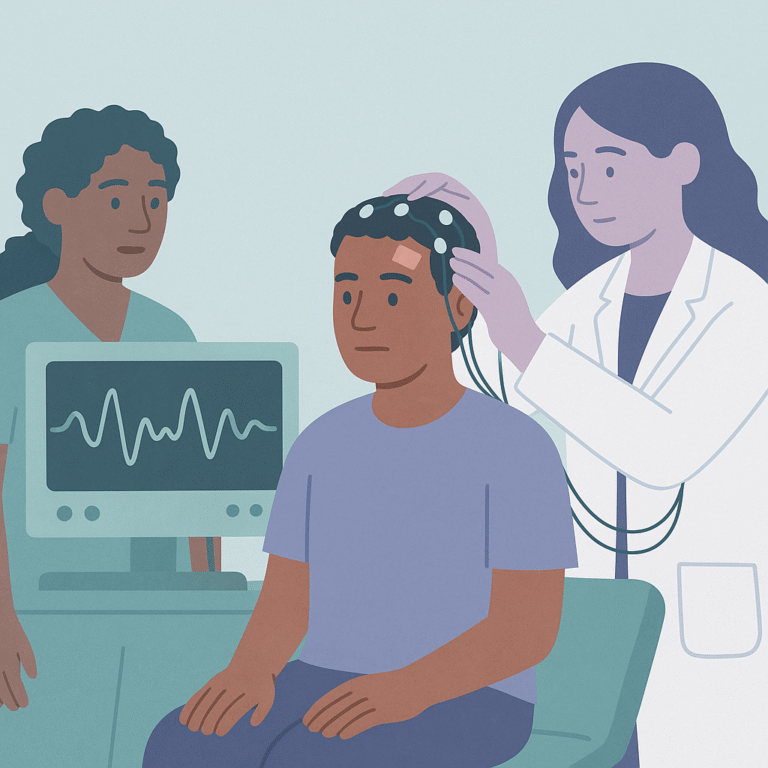
Researchers studied how early brain activity patterns, measured by electroencephalography (EEG), can help predict the development of post-traumatic epilepsy (PTE) in adults who have suffered a traumatic brain injury (TBI).
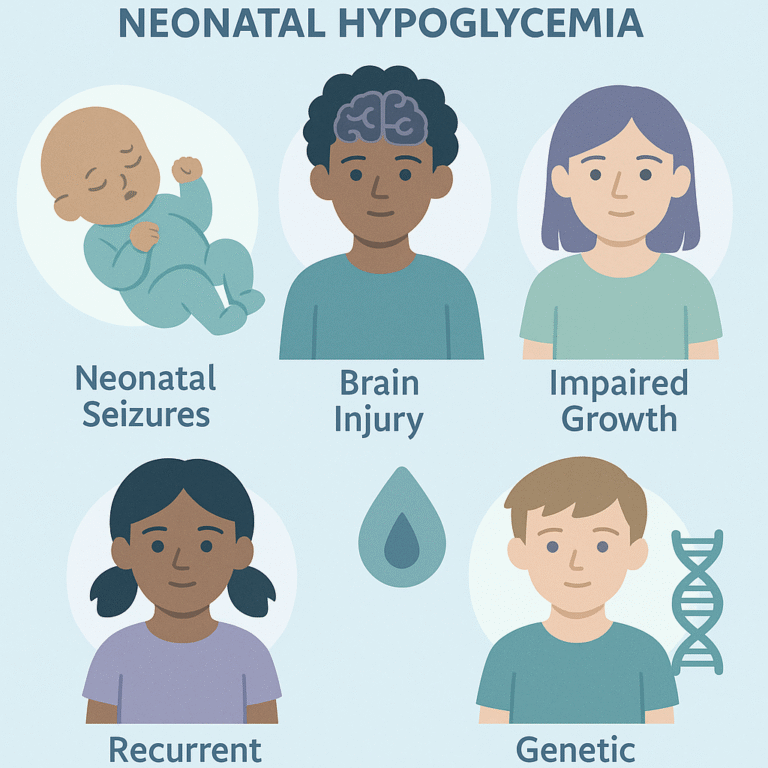
Researchers studied the potential risk factors for epilepsy in children who experienced neonatal hypoglycemia, which is low blood sugar shortly after birth.