Seizure Return After Medication Withdrawal: Key Risks
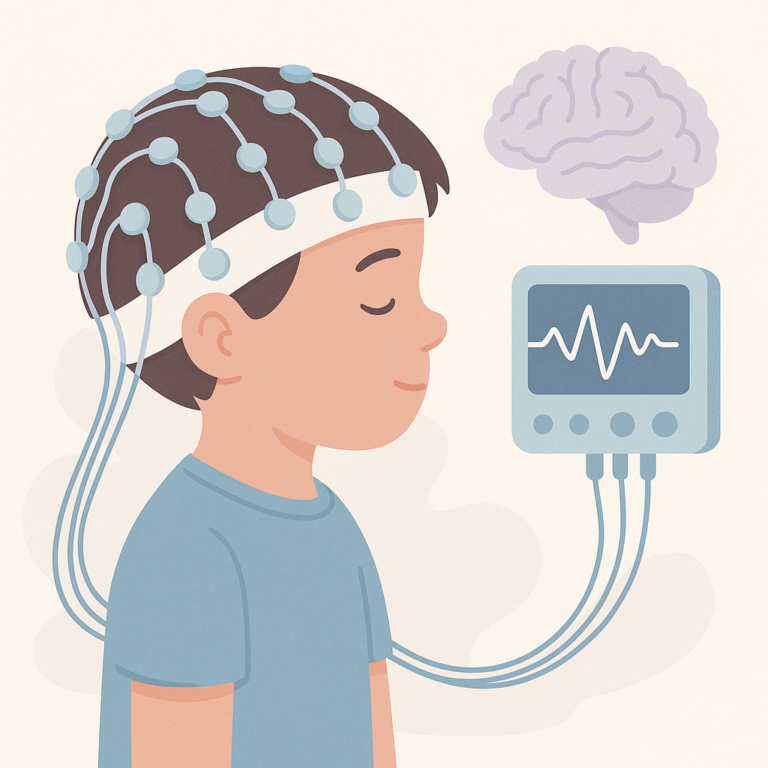
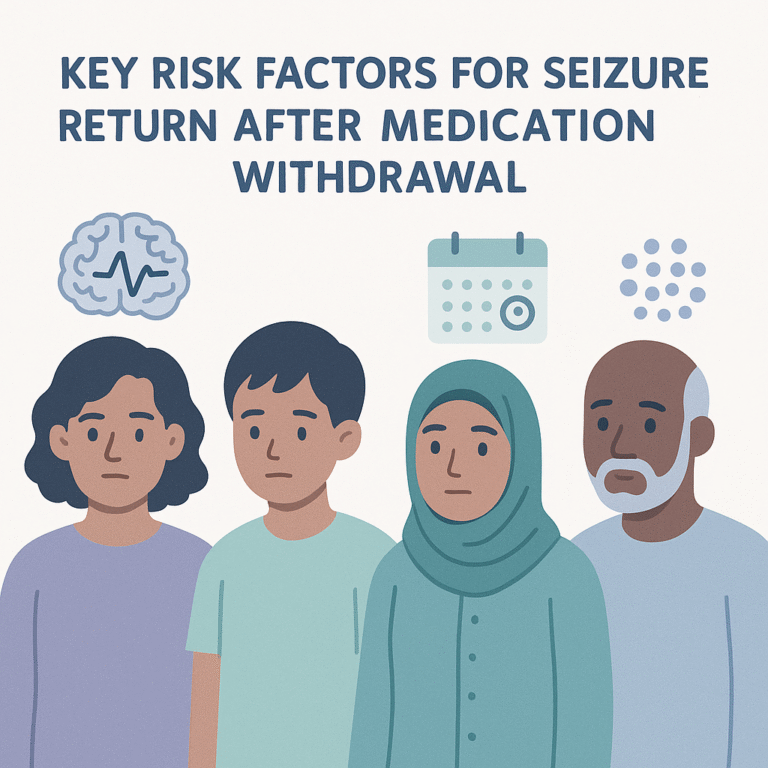
Researchers studied the risk factors that could lead to seizures returning in children with epilepsy after they stopped taking their anti-seizure medications (ASMs).
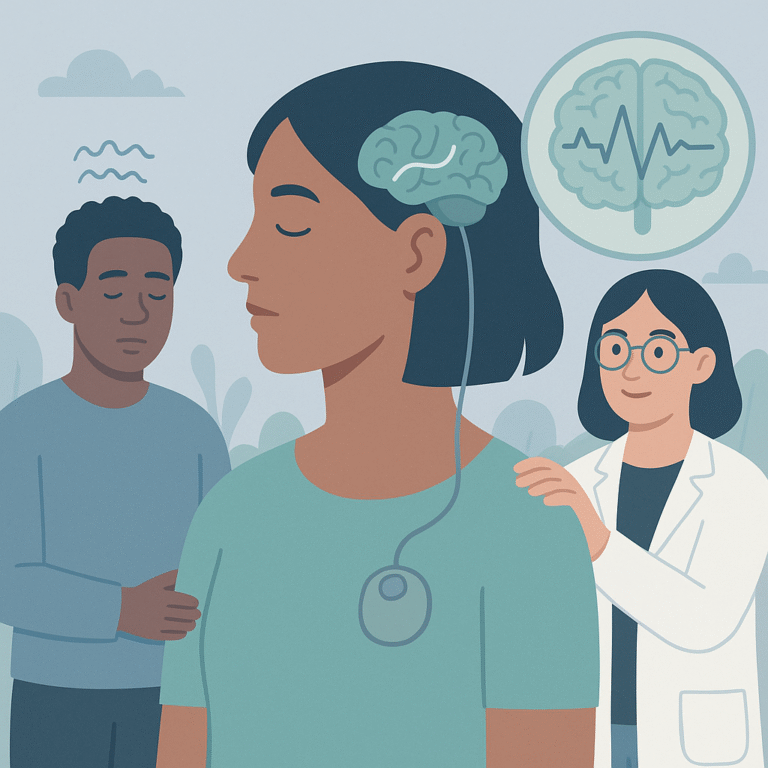
This hub covers epilepsy devices and neuromodulation like VNS, RNS, and DBS, which are treatments that can reduce seizures when meds arenβt enough. Plain-language research summaries plus real-life pros/cons.
Some are used more often in adults, but pediatric use depends on the device, the case, and specialist guidance.
Often gradually. Improvement can build over months as settings are optimized.
Sometimes medication can be reduced, but many people still use meds alongside a device.
Sometimes yes, with device-specific rules. Always check the exact device guidelines first.
Researchers studied the risk factors that could lead to seizures returning in children with epilepsy after they stopped taking their anti-seizure medications (ASMs).
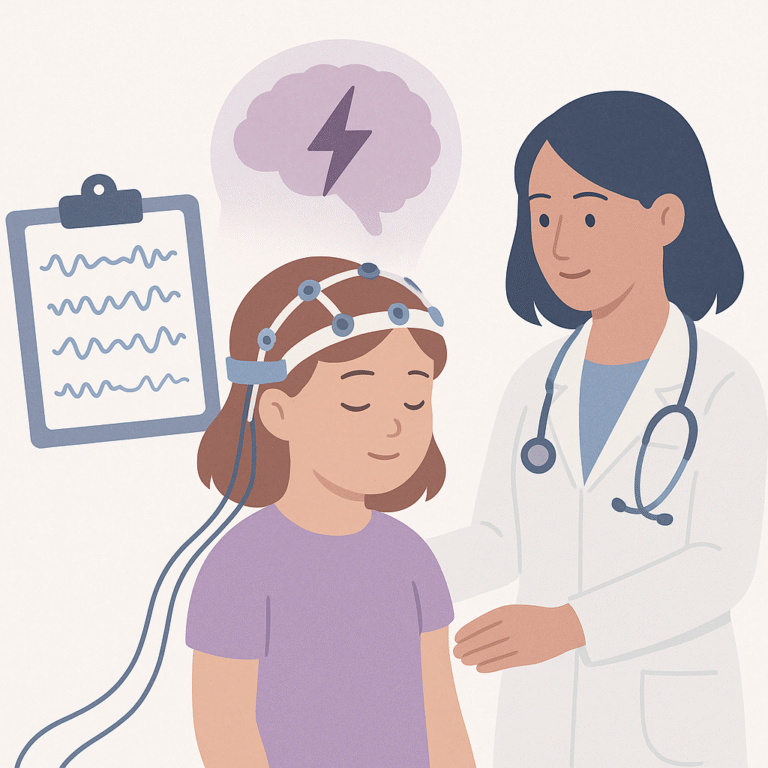
Researchers studied the effects of Deep Brain Stimulation (DBS) on patients with intractable epilepsy, which means their seizures could not be controlled by medication.
Discover how the Minder System may improve epilepsy treatment for children by monitoring brain activity and aiding doctors in care decisions.
Discover how the Minder System may improve epilepsy diagnosis in children, offering hope for better treatment and management.
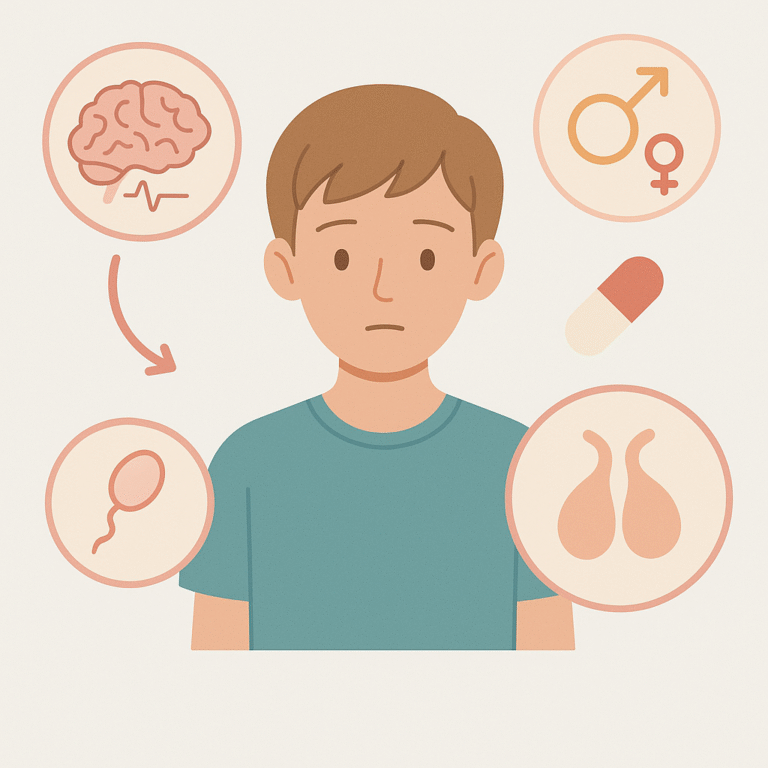
Learn how valproate affects hormones and fertility in boys with epilepsy. Discuss concerns with your healthcare provider for better monitoring.
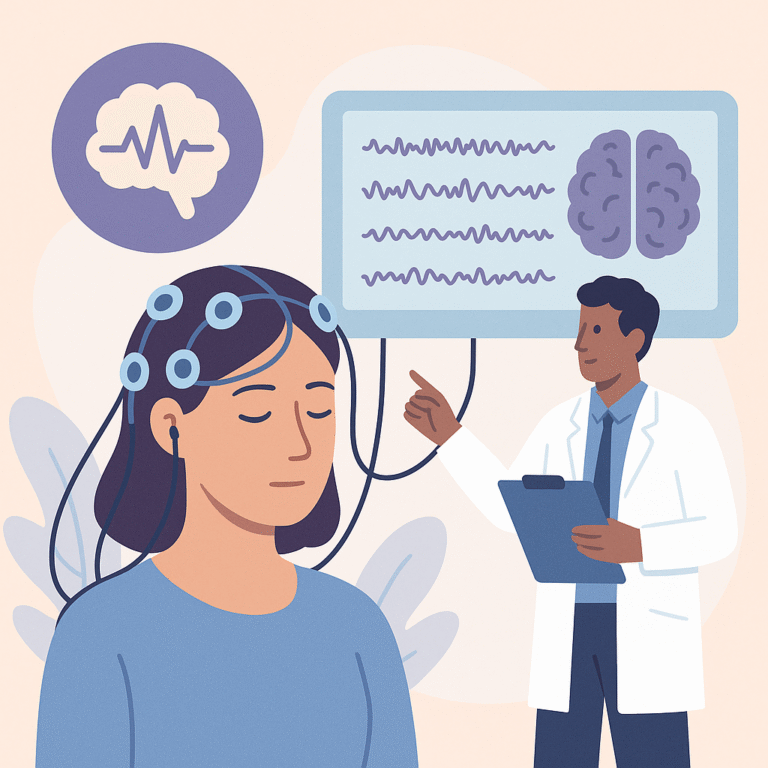
Learn how understanding EEGs can lead to better epilepsy care for your child, ensuring accurate diagnoses and effective treatments.
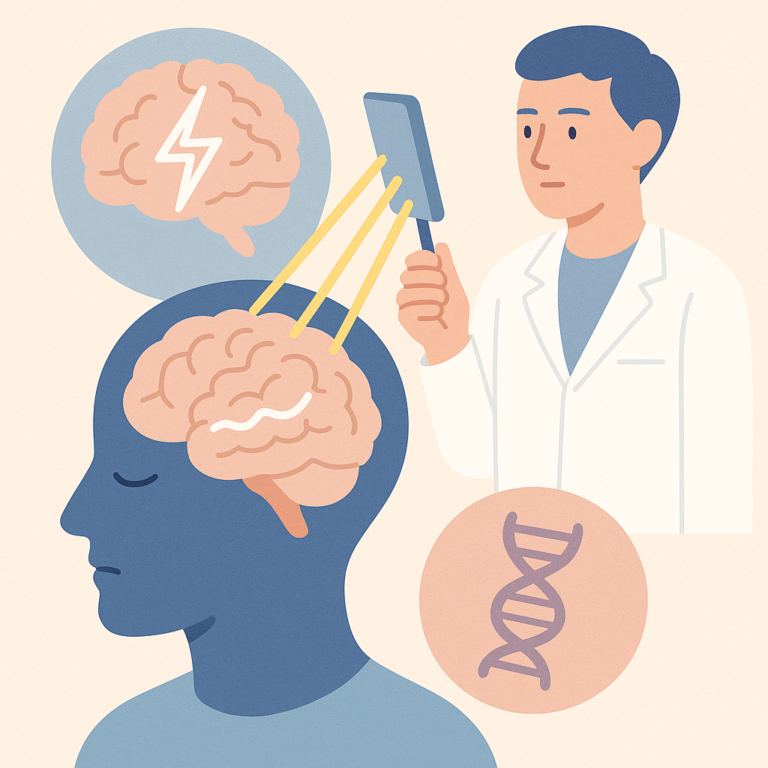
Discover how new light techniques may improve seizure control in epilepsy, offering hope for better treatments for families affected by this condition.
A new EEG test may help predict treatment responses for infants with epileptic spasms, offering hope for better management and outcomes.