New Insights on SEEG Patterns for Temporal Lobe Epilepsy
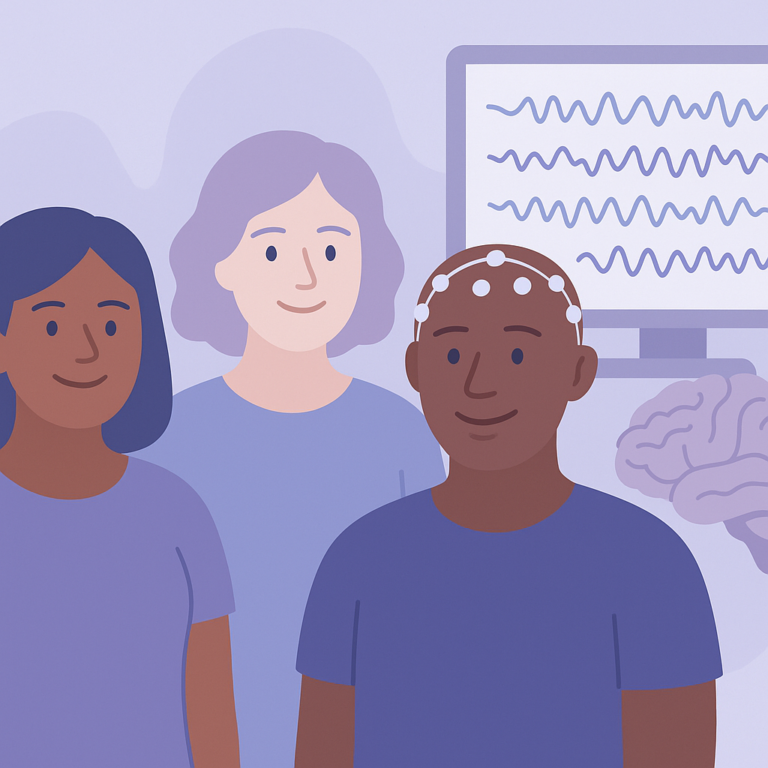
Researchers studied how to improve surgical strategies for patients with drug-resistant temporal lobe epilepsy (TLE) using a method called stereo-electroencephalography (SEEG).
This hub covers drug-resistant epilepsy: When seizures aren’t controlled after trying two appropriate medicines. Research-backed next steps on diet therapies, devices, surgery evaluation, and safety.
If seizures aren’t controlled after two meds, it’s worth at least an evaluation at an epilepsy center.
Not necessarily. Some familiar consider it earlier depending on seizure type and goals.
Yes. Treatment response can change over time, and combinations/approaches matter.
Seizure frequency, triggers, sleep, missed meds, side effects, and rescue med use.
Researchers studied how to improve surgical strategies for patients with drug-resistant temporal lobe epilepsy (TLE) using a method called stereo-electroencephalography (SEEG).
Researchers studied how effective a specific brain stimulation treatment is for children with difficult-to-treat epilepsy.
This study looked at how effective vagus nerve stimulation (VNS) is for treating drug-resistant epilepsy (DRE) in children.
Researchers studied the use of ketogenic therapy, a special diet that can help control seizures, in infants aged 18 months or younger.
This study looked at the MEFV gene and its possible connection to drug-resistant epilepsy (DRE) in children.
Researchers studied different brain imaging techniques to find out which ones are best at locating the exact spot in the brain where seizures start in people with epilepsy who do not respond to medication.
A recent study looked at how effective and safe different dietary treatments are for people with drug-resistant epilepsy, which means their seizures do not respond well to medications.
Researchers studied the use of cannabidiol (CBD) as an additional treatment for children over the age of 2 who have drug-resistant epileptic spasms (ES).
Researchers studied the use of nicotine as a treatment for Sleep-Related Hypermotor Epilepsy (SHE), a type of epilepsy that can have a genetic cause.