Vigabatrin Reduces Seizures in Lennox-Gastaut Syndrome Patients
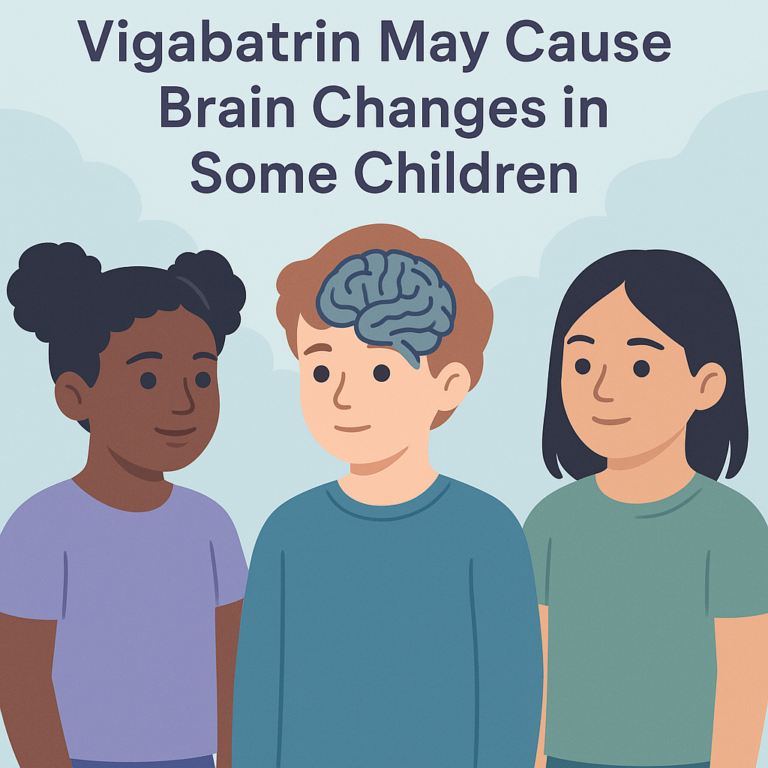
A study was conducted to evaluate the safety and effectiveness of vigabatrin, a medication for epilepsy, in children with Lennox-Gastaut syndrome (LGS).
This hub covers drug-resistant epilepsy: When seizures aren’t controlled after trying two appropriate medicines. Research-backed next steps on diet therapies, devices, surgery evaluation, and safety.
If seizures aren’t controlled after two meds, it’s worth at least an evaluation at an epilepsy center.
Not necessarily. Some familiar consider it earlier depending on seizure type and goals.
Yes. Treatment response can change over time, and combinations/approaches matter.
Seizure frequency, triggers, sleep, missed meds, side effects, and rescue med use.
A study was conducted to evaluate the safety and effectiveness of vigabatrin, a medication for epilepsy, in children with Lennox-Gastaut syndrome (LGS).
This study looked at a new medication called ES-481, which is being developed to help people with drug-resistant epilepsy.
This study looked at whether missing doses of anti-seizure medications (ASMs) affects the short-term risk of seizures in adults with drug-resistant epilepsy, which means they have frequent seizures that are hard to control.
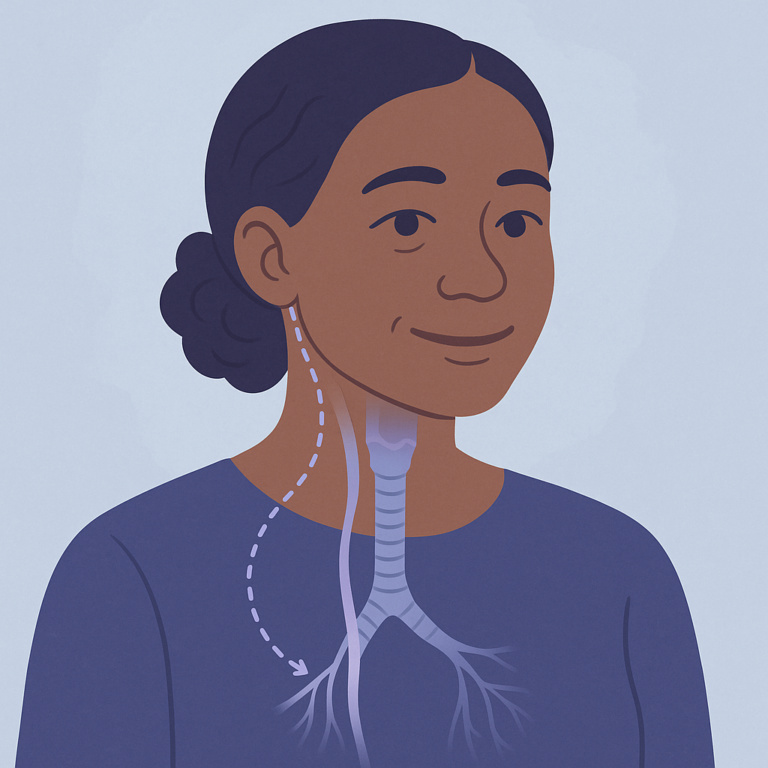
This study looked at a rare complication called Horner syndrome that can occur after vagus nerve stimulation (VNS) surgery, which is a treatment for epilepsy that doesn’t respond to medication.
A study was conducted on a 16-year-old patient with drug-resistant epilepsy (DRE), which means their seizures did not respond to standard treatments.
This study looked at five adults with Febrile Infection-Related Epilepsy Syndrome (FIRES), a serious condition that causes severe seizures after a fever.
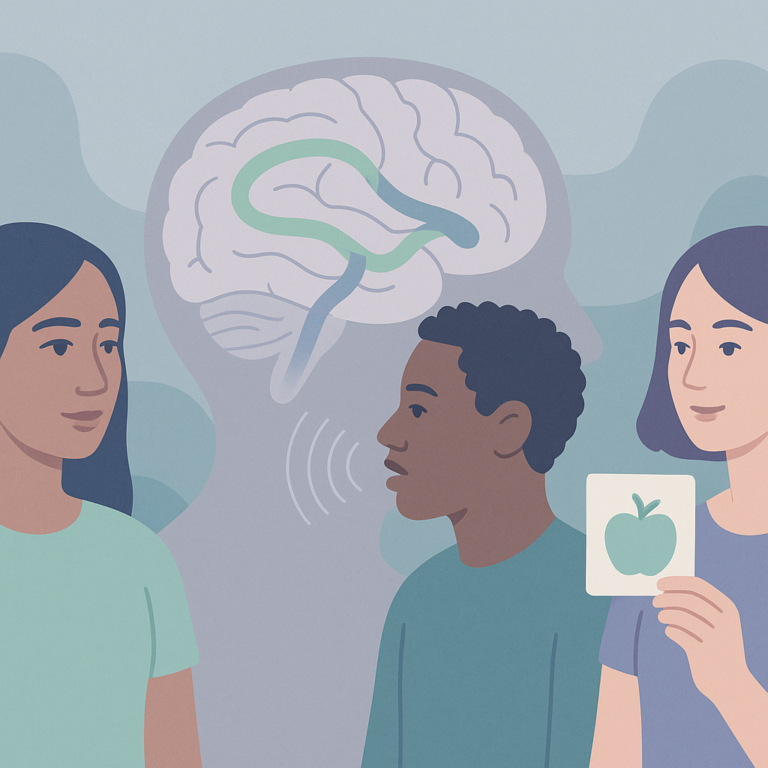
Researchers studied how different parts of the brain work together during speech tasks, focusing on patients with drug-resistant epilepsy who were preparing for surgery.
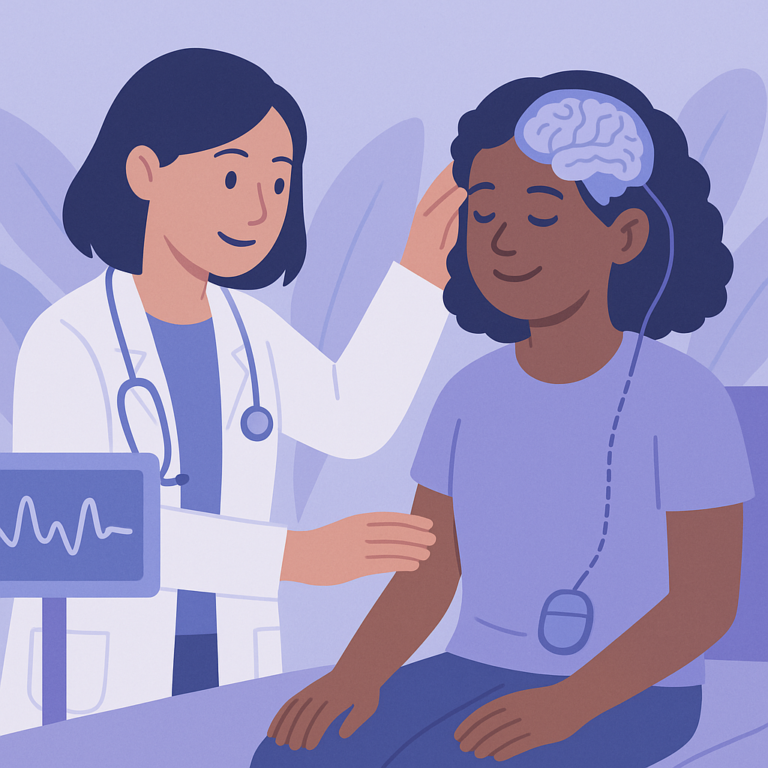
Researchers studied deep brain stimulation (DBS) as a treatment for people with epilepsy who do not respond to medications and cannot have surgery to remove the affected brain tissue.
Researchers studied two children with a rare type of epilepsy caused by changes in the WWOX gene.