Most Children With GNAO1 Stay Stable Over Time
This study looked at GNAO1-related disorders, a group of rare genetic conditions that can cause epilepsy, movement problems, and developmental impairment.

This study looked at GNAO1-related disorders, a group of rare genetic conditions that can cause epilepsy, movement problems, and developmental impairment.

Researchers used Swedish national health registers to study people who had both dementia and epilepsy and then started an antiseizure medicine between 2006 and 2023.

Researchers assessed whether a remote physical activity program was feasible for adults with epilepsy.
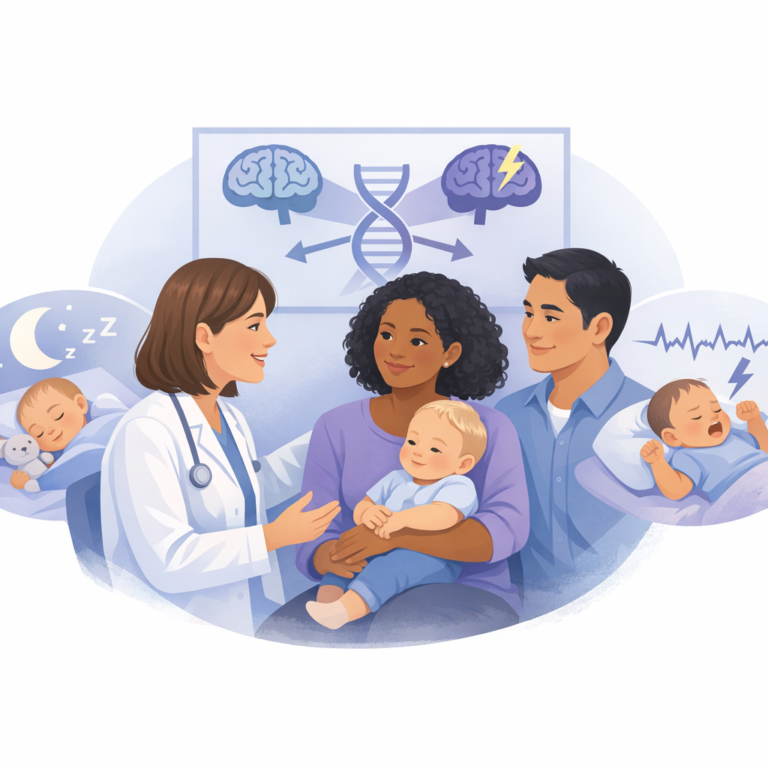
This study looked at 30 newborns with epilepsy associated with changes in the KCNQ2 gene.

This study combined results from 73 observational studies that reported how often people with epilepsy also had headaches.

This study assessed an 8-week cognitive and psychosocial rehabilitation program for adults with epilepsy.

Researchers looked for extra genetic changes, beyond the usual TSC1 and TSC2 changes, in people who already had tuberous sclerosis complex (TSC).

This study combined results from 4 randomized, double-blind, placebo-controlled trials of perampanel for people with refractory partial-onset seizures.

This report looked at an experimental gene-targeting treatment in two 2-year-old girls with a very severe form of KCNT1-related epileptic encephalopathy called epilepsy of infancy with migrating focal seizures.